Jumper Pulse Oximeter.
By Jumper Medical
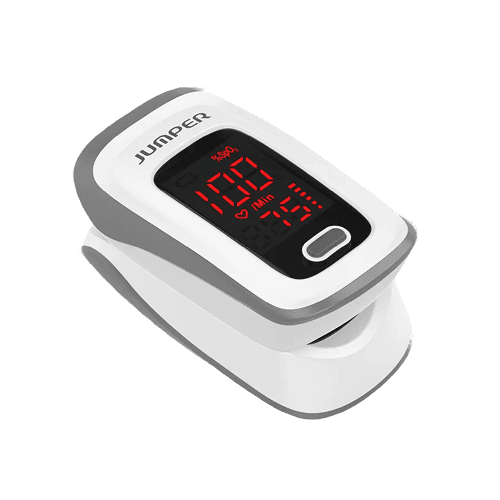
Bluetooth-connected fingertip pulse oximeter with plethysmogram waveform display, providing SpO2, pulse rate, and perfusion index monitoring through CCNHealth.
Specifications
Key specs.
Connectivity
Bluetooth (pairs with cellular gateway)
SpO2 Range
70-100%
Pulse Rate Range
30-250 bpm
SpO2 Accuracy
+/- 2% (70-100% range)
Display
OLED with plethysmogram waveform
Power
2x AAA batteries
Features
Key features.
Bluetooth connectivity for wireless data transmission
Real-time plethysmogram waveform display
SpO2, pulse rate, and perfusion index measurement
Compact fingertip design for ease of use
OLED screen with multi-angle readability
Low perfusion performance for compromised circulation
Use Cases
Clinical applications.
COPD exacerbation monitoring
Heart failure oxygen saturation tracking
Sleep apnea desaturation screening
Post-COVID respiratory surveillance
Pneumonia recovery monitoring
Oxygen Saturation Monitoring for Respiratory and Cardiac Care
Oxygen saturation is a vital sign that can change rapidly and carry immediate clinical consequences. A drop in SpO2 below 90% represents a clinical emergency requiring immediate intervention, while more gradual desaturation patterns can signal disease progression, exacerbation onset, or treatment failure. The Jumper Bluetooth Pulse Oximeter provides the reliable, connected SpO2 monitoring that respiratory and cardiac RPM programs require, delivering readings to CCNHealth through a compact fingertip device that patients can use independently at home or in care facilities.
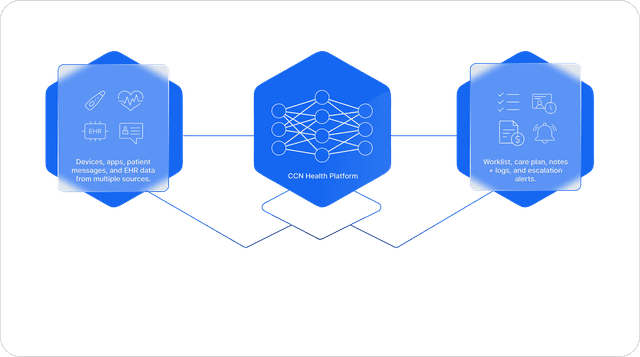
Integrated with the CCNHealth platform, each SpO2 and pulse rate measurement is evaluated against patient-specific thresholds, enabling care teams to detect oxygen desaturation trends and intervene before patients reach acute distress.
How the Jumper Pulse Oximeter Works with CCNHealth
Bluetooth-to-Cellular Data Pathway
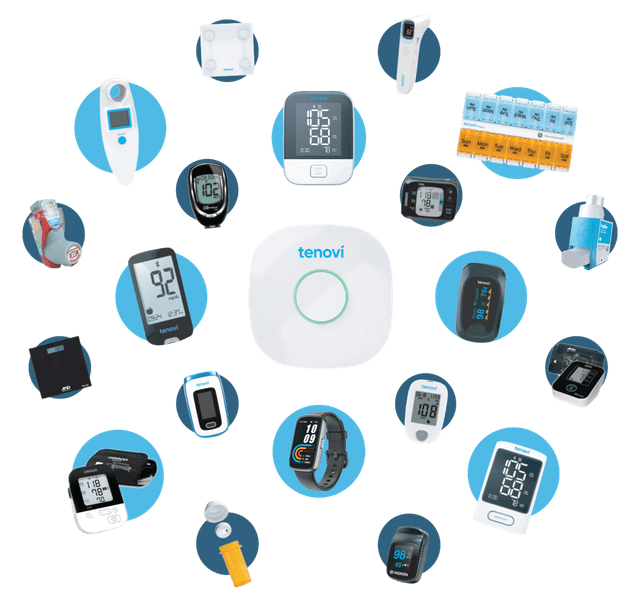
The Jumper Pulse Oximeter connects via Bluetooth to a Tenovi cellular gateway or compatible hub device in the patient's home or facility room. This two-step connectivity model combines the convenience of short-range wireless measurement with the reliability of cellular data transmission:
- Patient takes a reading — Places finger in the oximeter and waits approximately 8 to 10 seconds for stabilization
- Bluetooth transmission — The reading transfers wirelessly to the nearby gateway
- Cellular upload — The gateway transmits the data to CCNHealth over the cellular network
- Dashboard display — SpO2, pulse rate, and perfusion index appear on the clinical dashboard
The entire process from measurement to dashboard takes less than one minute, and the patient's only action is placing their finger in the device.
Plethysmogram Waveform
Unlike basic pulse oximeters that display only numeric values, the Jumper device features an OLED screen showing the photoplethysmogram (pleth) waveform in real time. This waveform provides the patient and clinician with a visual indicator of signal quality:
- Strong, regular waveform — Indicates a high-confidence reading
- Weak or irregular waveform — May suggest poor finger placement, cold extremities, or low perfusion states
- Artifact detection — Motion or ambient light interference is visible in the waveform, helping patients understand when to hold still for a better reading
Perfusion Index Measurement
In addition to SpO2 and pulse rate, the Jumper oximeter measures the perfusion index, which reflects the ratio of pulsatile to non-pulsatile blood flow at the sensor site. A perfusion index above 1.0% generally indicates adequate peripheral circulation and a reliable SpO2 reading. Low perfusion index values may indicate peripheral vasoconstriction, hypotension, or cardiovascular compromise, adding another layer of clinical data to each measurement.
Clinical Alerting Through CCNHealth
The CCNHealth platform processes each pulse oximetry reading through configurable clinical rules:
- Critical desaturation — SpO2 below 88% triggers an urgent alert with escalation protocols
- Moderate desaturation — SpO2 between 88-92% generates a standard clinical flag for evaluation
- Tachycardia/bradycardia — Pulse rate outside normal parameters (typically below 50 or above 120 bpm) generates an alert
- Trending decline — A pattern of gradually decreasing SpO2 over days is flagged even if individual readings remain above threshold
- Missed readings — Non-compliance alerts ensure patients maintain their monitoring schedule
Clinical Applications
COPD Management
COPD is one of the highest-value clinical applications for pulse oximetry-based RPM. Exacerbations are the primary driver of COPD-related hospitalizations, and research indicates that SpO2 desaturation often precedes symptomatic deterioration by 24 to 48 hours. Daily pulse oximetry monitoring with the Jumper device may enable earlier detection of exacerbations, potentially allowing outpatient treatment with bronchodilators and corticosteroids before hospital admission becomes necessary.
For COPD patients on supplemental oxygen, regular SpO2 monitoring also supports oxygen titration and helps verify that prescribed flow rates are achieving target saturation levels.
Heart Failure
Oxygen saturation monitoring complements blood pressure and weight tracking in comprehensive heart failure RPM programs. Pulmonary congestion associated with heart failure decompensation can manifest as declining SpO2, particularly during exertion or nocturnal periods. Studies suggest that multi-vital monitoring approaches that include SpO2 alongside weight and blood pressure may provide earlier warning of decompensation than any single vital sign alone.
Sleep Apnea Screening
While not a replacement for formal polysomnography, periodic pulse oximetry can provide useful screening data for obstructive sleep apnea. Nocturnal SpO2 readings taken before bed and upon waking can reveal patterns of overnight desaturation suggestive of sleep-disordered breathing, prompting referral for formal evaluation.
Post-COVID Respiratory Monitoring
For patients recovering from COVID-19 pneumonia or experiencing post-acute sequelae, SpO2 monitoring provides objective data on respiratory recovery. Research indicates that some patients experience exercise-induced desaturation and gradual pulmonary function changes for weeks to months following acute illness. The Jumper oximeter supports ongoing surveillance during this recovery period.
Pneumonia Recovery
Patients discharged after hospitalization for pneumonia, particularly elderly patients and those with underlying cardiopulmonary conditions, benefit from SpO2 monitoring during the recovery period. The Jumper device enables daily checks that can detect delayed resolution or secondary complications requiring clinical attention.
Integration and Billing
RPM and RTM Revenue
Pulse oximetry monitoring supports both RPM and RTM billing pathways. For patients with chronic respiratory conditions, RPM codes apply. For patients undergoing respiratory therapy rehabilitation, RTM codes may be appropriate:
| Billing Path | Codes | Typical Monthly Revenue |
|---|---|---|
| RPM | 99453, 99454, 99457, 99458 | ~$160-175/month |
| RTM (respiratory) | 98975, 98976, 98980, 98981 | ~$155/month |
Multi-Vital Monitoring
Pulse oximetry is frequently deployed alongside other monitoring devices. A COPD patient may use the Jumper oximeter for SpO2 plus a BodyTrace scale for weight monitoring, or a heart failure patient may combine SpO2 monitoring with blood pressure and weight tracking. All readings aggregate on the CCNHealth dashboard, providing a comprehensive picture of the patient's cardiopulmonary status.
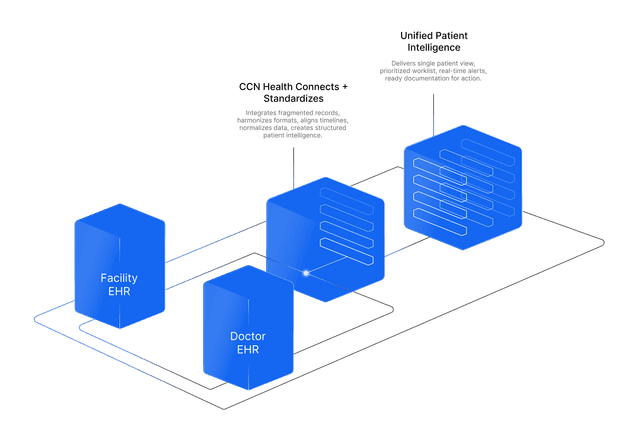
EHR Documentation
SpO2 and pulse rate readings from CCNHealth integrate into connected EHR systems with complete metadata, including timestamps, perfusion index values, and associated clinical alerts. This automated documentation supports both clinical decision-making and billing compliance requirements.
Getting Started
Adding the Jumper Pulse Oximeter to your CCNHealth monitoring program follows a standard deployment process:
- Patient identification — Identify patients with COPD, heart failure, sleep apnea, or other conditions requiring SpO2 surveillance
- Device provisioning — CCNHealth ships the Jumper oximeter alongside a Tenovi cellular gateway to the patient or facility
- Patient orientation — Brief training on finger placement and reading stabilization
- Monitoring activation — First reading triggers enrollment and dashboard activation
- Clinical review — Care teams monitor SpO2 trends, respond to desaturation alerts, and adjust care plans accordingly
Contact CCNHealth to integrate the Jumper Pulse Oximeter into your respiratory and cardiac remote monitoring program.
Device specifications are sourced from manufacturer published data and are subject to change. Always verify current specifications with the manufacturer before clinical deployment.
Questions?
Want to learn more about the Jumper Pulse Oximeter for your program?
Our team can answer your questions and show you how it works with your current workflow.
Also Browse