
Contactless Monitoring
Precise Vital Signs Monitoring Powered by Radar
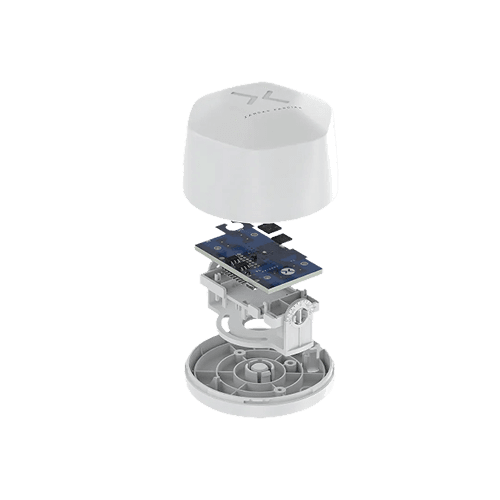
The XK300 delivers 24/7 contactless vital sign monitoring powered by proprietary UWB radar technology. Heart rate, respiratory rate, sleep analytics, and movement tracking — without wearables, cameras, or patient interaction.
Platform Overview
7-day monitoring snapshot.
Sample data from a single XK300 sensor deployed in a senior living residence. The UWB radar continuously captures vital signs and behavioral patterns — no contact, no wearables, no patient compliance burden.
How It Works
From sensor to clinical action.
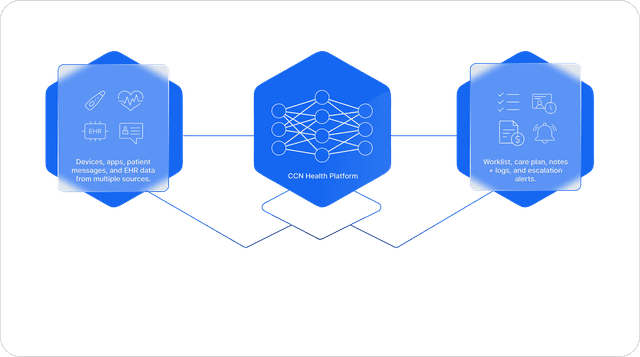
The data pipeline from Xandar Kardian's contactless sensor through Tenovi's cellular connectivity to CCN Health's clinical decision platform.
XK300 Sensor
UWB radar captures heart rate, respiratory rate, movement, and presence without any wearables or contact.
Tenovi Gateway
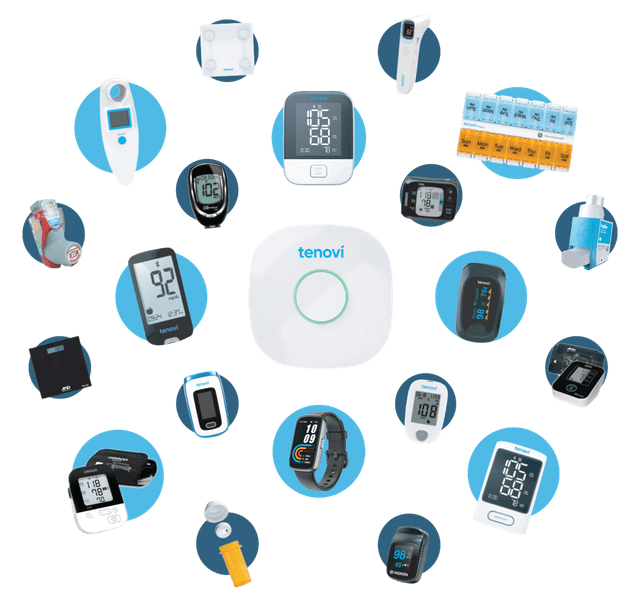
Cellular hub receives sensor data via Bluetooth and securely transmits to the cloud over LTE. No Wi-Fi required.
CCN Platform
Data is processed, trended, and visualized in real-time dashboards. Clinical rules engine monitors for anomalies.
Clinical Alerts
Automated alerts notify care staff of out-of-bed events, vital sign anomalies, and trending changes.
In real homes
The whole room, covered from one sensor.
Wall-mounted radar monitors heart rate, respiration, and movement with nothing worn and no patient interaction.

Vital Signs
Continuous vitals trending.
Unlike spot-check devices that capture a single reading, the XK300 monitors heart rate and respiratory rate continuously throughout the day and night. CCN Health trends this data over time to surface patterns and anomalies that single measurements would miss.
7-Day Vitals Trend
Heart Rate
Respiratory Rate
Sleep vs In-Bed Hours
Sleep Analytics
Sleep quality insights.
The XK300 distinguishes between time in bed and actual sleep, giving care teams a true sleep efficiency metric. In senior living, sleep disruption is an early indicator of UTIs, pain, cognitive decline, and medication side effects.
Activity Monitoring
Movement and presence patterns.
Movement indices and distance tracking help identify fall risk, declining mobility, and changes in daily activity patterns before they become critical events.
Daily Movement Index
Avg Distance from Sensor
Event Detection
Alert-driven workflows.
The XK300 detects in-bed, out-of-bed, and room presence events in real time. CCN Health's rules engine processes these events alongside vital sign anomalies to generate targeted clinical alerts — reducing alarm fatigue while ensuring critical events are never missed.
Detection Event Timeline
7-day event log from XK300 sensor
Daily Summary
7-day clinical summary.
A consolidated view of each day's vitals, sleep metrics, and activity levels. Click column headers to sort.
| Date | Sleep | Efficiency | Avg HR |
|---|---|---|---|
| Mon 2/10 | 7.4 hrs | 90% | 71 bpm |
| Tue 2/11 | 6.8 hrs | 86% | 73 bpm |
| Wed 2/12 | 7.8 hrs | 92% | 70 bpm |
| Thu 2/13 | 6.5 hrs | 86% | 74 bpm |
| Fri 2/14 | 7.2 hrs | 90% | 72 bpm |
| Sat 2/15 | 8.1 hrs | 92% | 69 bpm |
| Sun 2/16 | 7.5 hrs | 90% | 71 bpm |
XK300 Specifications
Built for senior living.
The Xandar Kardian XK300 uses ultra-wideband radar technology to detect micro-movements of the chest wall from up to 8 meters away. Mounted on a wall or ceiling, it monitors an entire room without cameras, wearables, or any patient interaction.
Ultra-Wideband (UWB) Radar
Up to 8 meters
Bluetooth to Tenovi Hub
PoE or DC adapter
FDA 510(k) cleared
FCC, IC, CE, TELEC
Revenue Opportunity
Medicare RPM Codes & Revenue
Contactless radar monitoring qualifies for all four RPM CPT codes, generating up to $156 per patient per month in reimbursement.
Remote Patient Monitoring (RPM)
4 billing codes · up to $156/patient/month
One-time billing for setting up RPM equipment and educating the patient on proper device use, data transmission, and clinical expectations.
~$19
One-time
Monthly billing for the supply of the RPM device and daily recording or programmed alert transmission of health data.
~$50
Monthly
First 20 minutes of clinical staff/physician time in a calendar month for RPM treatment management services.
~$48
Monthly
Each additional 20-minute increment of clinical staff time for RPM treatment management beyond the initial 99457.
~$39
Monthly (additional)
Total Monthly Revenue Potential
Per enrolled patient (99454 + 99457 + 99458)
FAQ
Frequently Asked Questions
Common questions about the Xandar Kardian XK300.
The XK300 is a contactless vital sign monitor that uses impulse radio ultra-wideband (IR-UWB) radar to measure heart rate, respiratory rate, and movement without any physical contact. It mounts on a wall or ceiling and monitors through clothing and bedding.
The XK300 requires zero patient interaction — no cuffs, no finger clips, no wearables. This is critical for populations with dementia, agitation, or device-removal behaviors. The radar technology captures vitals continuously, 24/7, from up to 8 meters away.
The XK300 excels in night monitoring, fall detection, and continuous respiratory surveillance. Senior living communities use it for bed-exit alerts, apnea detection, and real-time respiratory rate tracking across Memory Care and Skilled Nursing units.
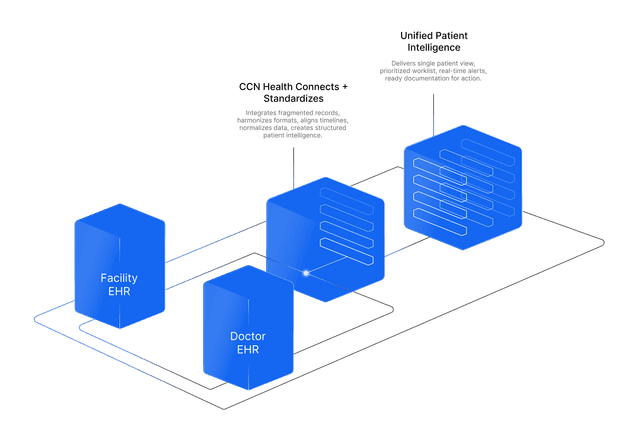
Yes. Through CCN Health, XK300 data flows into supported EHR systems including PointClickCare, ALIS, MatrixCare, and others. The integration provides continuous vital sign charting without manual documentation.
The XK300 monitors up to 8 meters with heart rate accuracy of ±2 bpm and respiratory rate accuracy of ±1 breath/min. It can detect micro-movements for fall risk assessment and provides presence/absence detection for elopement monitoring.