Jumper Thermometer.
By Jumper Medical
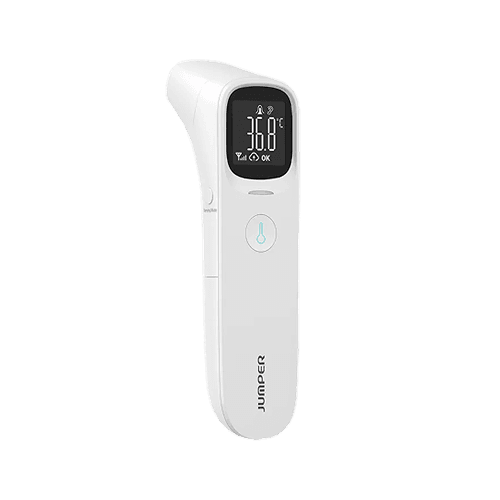
Bluetooth-connected infrared thermometer with cellular gateway connectivity, enabling automated temperature monitoring for infection surveillance and post-surgical recovery through CCNHealth.
Specifications
Key specs.
Connectivity
Bluetooth (pairs with cellular gateway)
Measurement Method
Non-contact infrared
Measurement Range
89.6-109.2°F (32.0-42.9°C)
Accuracy
+/- 0.4°F (0.2°C) in clinical range
Measurement Time
1 second
Power
2x AAA batteries
Features
Key features.
Non-contact infrared measurement
Bluetooth connectivity for wireless data transmission
1-second instant reading
Fever indicator with color-coded display
Memory storage for recent readings
Dual mode for forehead and surface measurement
Use Cases
Clinical applications.
Post-surgical recovery temperature monitoring
Infection surveillance in skilled nursing facilities
Immunocompromised patient fever detection
UTI monitoring in elderly populations
Sepsis early warning in high-risk patients
Early Infection Detection Through Remote Temperature Monitoring
Temperature is one of the earliest physiologic indicators of infection, and for vulnerable patient populations, the difference between detecting a fever at onset versus hours later can determine whether an infection is managed with outpatient antibiotics or escalates into a hospitalization. The Jumper Bluetooth Infrared Thermometer provides rapid, non-contact temperature measurement that transmits automatically to CCNHealth, giving clinical teams the visibility they need to identify and respond to febrile episodes before they progress.
In skilled nursing facilities, assisted living communities, and home-based RPM programs, the Jumper thermometer adds a critical layer of infection surveillance that complements vital sign monitoring for blood pressure, weight, and oxygen saturation.
How the Jumper Thermometer Works with CCNHealth
Non-Contact Infrared Measurement
The Jumper thermometer uses infrared sensor technology to measure body temperature from a short distance without skin contact. The patient or caregiver positions the device approximately one to two inches from the center of the forehead, presses the measurement button, and receives a reading in one second. The non-contact design offers several advantages in the RPM setting:
- Hygienic — No physical contact means no disinfection required between patients in shared facility settings
- Comfortable — Patients do not need to hold a probe under their tongue or in their ear
- Fast — One-second readings minimize patient burden and encourage compliance
- Accessible — Can be used on sleeping patients or those with limited mobility without disturbing them
Bluetooth-to-Cellular Connectivity
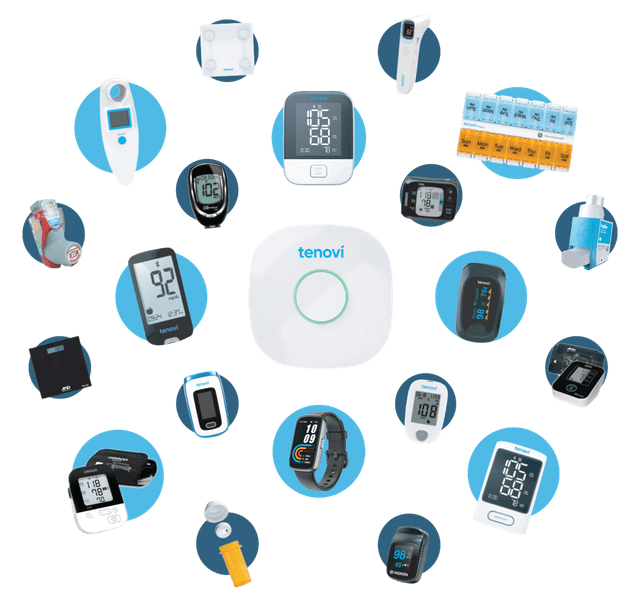
Like other Bluetooth-enabled devices in the CCNHealth ecosystem, the Jumper thermometer pairs with a Tenovi cellular gateway to deliver readings to the clinical dashboard:
- Measurement taken — Patient or caregiver takes a forehead temperature reading
- Bluetooth transfer — The reading transmits wirelessly to the nearby gateway hub
- Cellular upload — The gateway sends the data to CCNHealth over the cellular network
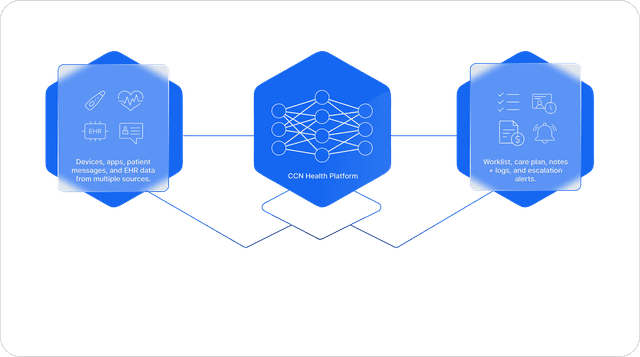
- Alert evaluation — The platform evaluates the reading against the patient's configured thresholds
The pairing between the thermometer and gateway is established during initial device configuration. No patient action is required beyond taking the temperature measurement itself.
Fever Detection and Alerting
The CCNHealth platform applies clinical rules to each temperature reading:
- Fever alert — Readings at or above 100.4°F (38.0°C) trigger an immediate clinical notification, consistent with the standard clinical definition of fever
- Low-grade fever flag — Readings between 99.5°F and 100.3°F generate a monitoring-level alert, particularly relevant for immunocompromised patients where a lower threshold may indicate infection
- Hypothermia alert — Readings below 96.0°F (35.6°C) generate an alert, as hypothermia in elderly patients can indicate sepsis, hypothyroidism, or environmental exposure
- Trending elevation — A pattern of gradually rising temperatures over consecutive readings, even if each individual reading falls below the fever threshold, is flagged for clinical review
- Missed readings — Non-compliance alerts ensure that patients maintain their scheduled temperature checks, which is especially important during the post-operative period or active infection surveillance windows
Temperature Contextualization
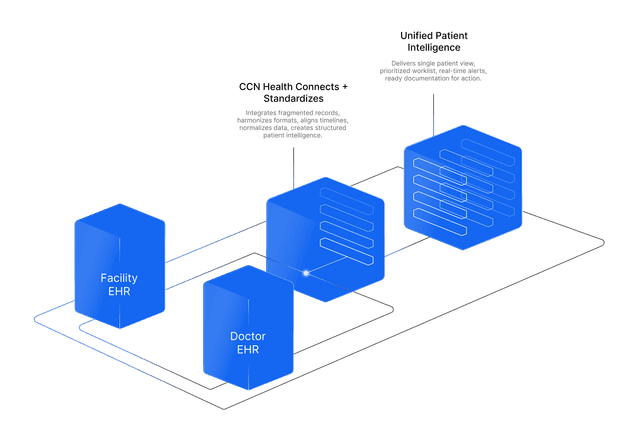
Temperature readings are most clinically valuable when interpreted alongside other vital signs. On the CCNHealth dashboard, thermometer data is displayed in the context of the patient's concurrent blood pressure, pulse rate, SpO2, and weight readings, enabling clinical staff to assess temperature changes within the broader clinical picture. An elevated temperature combined with tachycardia and low blood pressure, for instance, presents a very different clinical concern than an isolated low-grade fever.
Clinical Applications
Post-Surgical Infection Surveillance
Surgical site infections are among the most common healthcare-associated infections, and fever is frequently the first detectable sign. For patients discharged from the hospital following surgical procedures, daily temperature monitoring with the Jumper thermometer provides an objective early warning system. Research indicates that early identification of post-operative infections may help reduce complications, shorten treatment duration, and potentially lower the likelihood of hospital readmission.
This application is particularly relevant in skilled nursing facilities that receive post-acute patients following hip and knee replacements, cardiac procedures, and abdominal surgeries.
Infection Surveillance in Skilled Nursing
Skilled nursing facilities face persistent challenges with infection control, including urinary tract infections, respiratory infections, and skin and soft tissue infections. Temperature monitoring adds a systematic layer of surveillance that can detect febrile episodes in their earliest stages. Studies suggest that structured vital sign monitoring programs in long-term care settings may help improve time-to-treatment for infections, which is associated with better clinical outcomes.
For UTI monitoring specifically, fever detection is a critical component. Elderly patients often present with atypical UTI symptoms, and an unexplained temperature elevation may be the first indicator prompting urinalysis and treatment.
Immunocompromised Patient Monitoring
Patients with compromised immune systems, whether from chemotherapy, organ transplantation, autoimmune disease treatment, or age-related immune decline, face heightened infection risk and may develop serious infections from organisms that healthy individuals would easily manage. Daily or twice-daily temperature monitoring with the Jumper thermometer provides early detection that is essential for this high-risk population.
For immunocompromised patients, clinical teams often configure lower alert thresholds on the CCNHealth platform, flagging temperatures at 99.5°F or above rather than waiting for the standard 100.4°F fever definition.
Sepsis Early Warning
Sepsis is a medical emergency where early recognition is directly correlated with survival. While temperature alone is not diagnostic for sepsis, it is a component of validated screening tools including SIRS criteria and qSOFA scoring. In combination with heart rate and respiratory rate data from other CCNHealth-connected devices, temperature monitoring contributes to a comprehensive early warning system for septic deterioration.
Integration and Billing
RPM Revenue
Temperature monitoring with the Jumper thermometer supports RPM billing when combined with the clinical monitoring infrastructure:
| CPT Code | Service | Typical Reimbursement |
|---|---|---|
| 99453 | Initial setup and patient education | ~$19 (one-time) |
| 99454 | Device supply with daily recordings | ~$55/month |
| 99457 | First 20 minutes clinical review | ~$48/month |
| 99458 | Each additional 20 minutes review | ~$38/month |
Temperature monitoring is most commonly deployed as part of a multi-vital monitoring program, where the thermometer is one of several devices assigned to a patient. Each device reading contributes to the 16-day minimum transmission requirement.
Multi-Vital Program Design
The Jumper thermometer is typically paired with other monitoring devices based on the patient's clinical profile:
- Post-surgical patients — Thermometer + pulse oximeter + blood pressure monitor
- Heart failure patients — Thermometer + weight scale + blood pressure monitor + pulse oximeter
- Skilled nursing infection surveillance — Thermometer across the resident population, combined with condition-specific monitoring devices
- Immunocompromised patients — Thermometer + pulse oximeter for infection and respiratory monitoring
Deployment
Device Kit Configuration
The Jumper thermometer ships as part of a configured device kit that includes:
- Jumper Bluetooth infrared thermometer
- 2x AAA batteries (installed)
- Tenovi cellular gateway (if not already deployed)
- Quick start guide with measurement instructions
- Patient instruction card
Measurement Best Practices
For consistent and accurate readings, patients are instructed to:
- Take temperature at the same time each day, ideally in the morning
- Ensure the forehead is dry and free of hair or cosmetics at the measurement point
- Hold the thermometer one to two inches from the center of the forehead
- Remain still during the one-second measurement
- Avoid measuring immediately after physical exertion, bathing, or consuming hot or cold beverages
These guidelines are included in the patient instruction materials and reinforced during the onboarding process.
Getting Started
Adding the Jumper Thermometer to your CCNHealth RPM program is straightforward:
- Patient identification — Identify patients at elevated infection risk, including post-surgical, immunocompromised, and skilled nursing populations
- Device provisioning — CCNHealth ships pre-configured thermometers alongside gateway hubs to patients or facilities
- Patient or staff training — Brief orientation on proper measurement technique and timing
- Monitoring activation — First reading triggers enrollment and initiates alert monitoring
- Clinical oversight — Care teams review temperature trends, respond to fever alerts, and coordinate clinical response
Contact CCNHealth to add the Jumper infrared thermometer to your remote monitoring program.
Device specifications are sourced from manufacturer published data and are subject to change. Always verify current specifications with the manufacturer before clinical deployment.
Questions?
Want to learn more about the Jumper Thermometer for your program?
Our team can answer your questions and show you how it works with your current workflow.
Also Browse