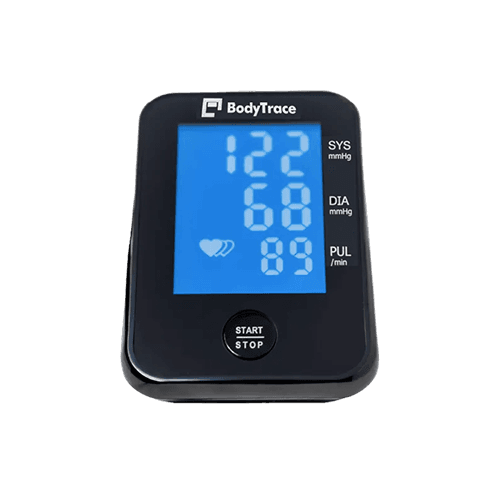
BodyTrace Scale.
By BodyTrace
Cellular-connected weight scale with built-in SIM, no gateway or smartphone required, supporting patients up to 500 lbs with automatic data transmission to CCNHealth.
Specifications
Key specs.
Connectivity
Built-in 2G/4G cellular (no gateway needed)
Weight Capacity
Up to 500 lbs (227 kg)
Measurement Resolution
0.2 lb increments
Display
Large LCD with backlight
Power
4x AA batteries (included)
Platform Size
Wide platform for stability
Features
Key features.
Built-in cellular SIM with no gateway or WiFi required
Automatic data transmission upon stepping off
High-capacity platform supporting up to 500 lbs
Large backlit display for easy reading
Multi-user identification capability
Long battery life with low-battery alerts
Use Cases
Clinical applications.
Heart failure daily weight monitoring
Chronic kidney disease fluid management
Diabetes and obesity weight tracking
Post-bariatric surgery monitoring
Fluid overload early detection
The Critical Vital Sign for Heart Failure Management
Daily weight monitoring is one of the most impactful clinical interventions available through remote patient monitoring. For heart failure patients, a sudden weight gain of two to three pounds in 24 hours, or five or more pounds over a week, can signal dangerous fluid retention that precedes hospitalization by days. The BodyTrace cellular-connected scale was purpose-built for clinical RPM programs, delivering automatic weight transmissions without requiring WiFi, smartphones, or gateway devices.
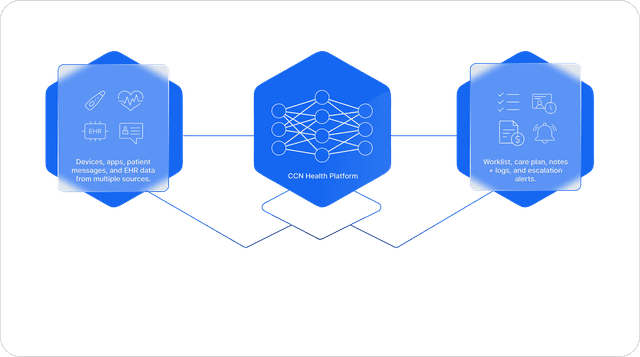
When connected to CCNHealth's monitoring platform, each weight reading is automatically compared against the patient's baseline and recent trends. Clinical staff receive alerts for concerning changes, enabling the kind of early intervention that studies suggest may help reduce heart failure readmissions and emergency department visits.
How the BodyTrace Scale Works with CCNHealth
True Cellular Independence
The defining advantage of the BodyTrace scale is its completely self-contained cellular connectivity. A built-in SIM card connects the device directly to the cellular network, which means:
- No WiFi configuration — The scale works out of the box in any location with cellular coverage
- No gateway hub — One fewer device for patients to manage and troubleshoot
- No smartphone dependency — Ideal for elderly patients who may not own or use a mobile phone
- No patient interaction beyond stepping on — Data transmits automatically when the patient steps off the scale
This architecture eliminates the most common points of failure in consumer-grade connected scales, where Bluetooth pairing issues, WiFi password changes, and app updates frequently disrupt data flow.
Measurement Workflow
The patient experience requires exactly one action: step on the scale. The scale powers on automatically when it detects weight on the platform, stabilizes the reading, displays the result on the backlit LCD screen, and transmits the measurement to CCNHealth as soon as the patient steps off. The entire process takes approximately 15 seconds from start to finish.
For facilities with multiple patients, the BodyTrace scale supports multi-user identification, distinguishing between individuals based on weight profiles and device assignment within the CCNHealth platform.
Weight Trend Analysis on CCNHealth
Raw weight values tell only part of the story. The CCNHealth platform processes BodyTrace readings through a clinical analytics engine that evaluates:
- 24-hour change — Flags gains or losses exceeding configurable thresholds (commonly 2 lbs for heart failure patients)
- 7-day rolling trend — Identifies gradual but clinically significant weight changes over a week
- 30-day pattern — Tracks longer-term trends relevant to medication titration and disease progression
- Baseline deviation — Compares current weight against the patient's established dry weight
- Missed readings — Generates non-compliance alerts when expected daily weigh-ins are missed
Each threshold is configurable per patient, reflecting the reality that a three-pound daily swing means something very different for a 130-pound heart failure patient than for a 280-pound patient managing obesity.
Clinical Applications
Heart Failure Fluid Management
Heart failure is the most compelling clinical use case for daily weight monitoring. Fluid retention is the primary driver of heart failure decompensation, and weight gain is the earliest detectable indicator, often preceding symptom onset by 48 to 72 hours. Research indicates that structured RPM programs incorporating daily weight monitoring may help reduce 30-day heart failure readmission rates by enabling earlier diuretic adjustments and clinical interventions.
The BodyTrace scale's high capacity, supporting patients up to 500 lbs, is particularly important given that obesity is a common comorbidity in heart failure populations. Consumer-grade scales with 300-lb limits exclude a significant portion of patients who would benefit most from monitoring.
Chronic Kidney Disease
For CKD patients, daily weight tracking serves as a proxy for fluid balance between dialysis sessions or as a longitudinal measure of fluid management in non-dialysis CKD. Nephrologists use weight trends alongside blood pressure data to guide antihypertensive therapy, dietary counseling, and fluid restriction recommendations. Studies suggest that patients engaged in home weight monitoring programs may demonstrate improved fluid management and fewer emergency dialysis sessions.
Diabetes and Metabolic Health
Weight management is a cornerstone of Type 2 diabetes care. Modest weight reductions of five to seven percent of body weight may help improve insulin sensitivity, lower HbA1c, and reduce cardiovascular risk. The BodyTrace scale provides the objective, daily weight data that supports behavioral interventions, medication management, and care plan adjustments for patients working toward metabolic health goals.
Obesity Management
For patients enrolled in medically supervised weight management programs, daily weight monitoring with the BodyTrace scale provides accountability and trend visibility. Clinicians can correlate weight data with medication changes, dietary modifications, and exercise interventions, while patients benefit from the awareness that their care team is tracking progress alongside them.
Integration and Billing
RPM Revenue with Weight Monitoring
Weight monitoring with the BodyTrace scale supports the standard RPM CPT code set. Each daily weigh-in counts toward the 16-day minimum transmission requirement for monthly billing:
| CPT Code | Service | Typical Reimbursement |
|---|---|---|
| 99453 | Initial setup and patient education | ~$19 (one-time) |
| 99454 | Device supply with daily recordings | ~$55/month |
| 99457 | First 20 minutes clinical review | ~$48/month |
| 99458 | Each additional 20 minutes review | ~$38/month |
Multi-Service Stacking
Patients with heart failure, CKD, or diabetes frequently qualify for CCM or PCM billing in addition to RPM. Weight data from the BodyTrace scale contributes to the clinical documentation supporting care management services across all applicable billing codes, enabling per-patient monthly revenue of $175 or more through service stacking.
EHR Documentation
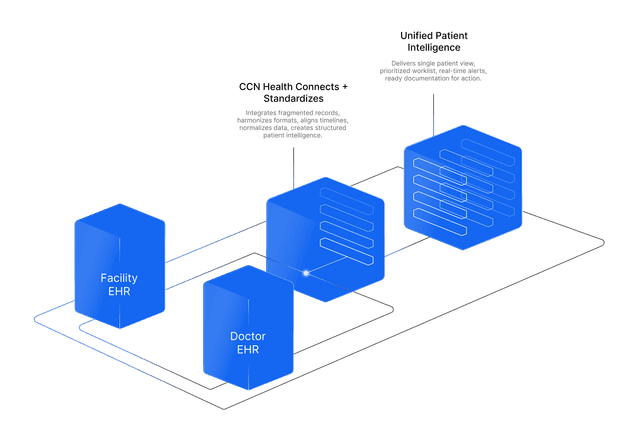
Weight readings from CCNHealth flow into connected EHR systems with full metadata, including timestamps, device identifiers, and calculated trend values. This automated documentation eliminates manual charting, reduces transcription errors, and ensures that weight trends are visible to all members of the care team.
Deployment and Logistics
What Patients Receive
Each BodyTrace scale is shipped pre-configured and ready to use:
- BodyTrace cellular weight scale with activated SIM
- 4x AA batteries (installed)
- Quick start guide with large-print instructions
- Patient instruction card showing proper use
Deployment Models
| Deployment | Description |
|---|---|
| Direct to patient | Scale shipped to patient's home, pre-registered to their account |
| Clinical setup | Scale demonstrated during an office visit or care coordination call |
| Facility install | Placed in patient room at skilled nursing or assisted living facility |
| Home health delivery | Deployed during a home health visit with hands-on training |
Ongoing Support
CCNHealth manages the BodyTrace device fleet remotely:
- Battery monitoring — Alerts when batteries need replacement
- Connectivity status — Dashboard visibility into device health
- Replacement management — Proactive replacement for malfunctioning units
- Cellular data included — No cost to patient or practice for data transmission
Getting Started
Deploying the BodyTrace scale in your CCNHealth RPM program follows these steps:
- Patient identification — Identify patients with heart failure, CKD, diabetes, or other conditions where daily weight monitoring adds clinical value
- Device provisioning — CCNHealth ships pre-configured scales to patients or facilities
- Patient orientation — Brief training on stepping onto the scale at a consistent time each day
- Monitoring activation — First reading triggers account activation; data flows to the dashboard immediately
- Clinical review — Care teams monitor trends, respond to alerts, and adjust care plans as needed
Contact CCNHealth to add the BodyTrace cellular scale to your remote patient monitoring program.
Device specifications are sourced from manufacturer published data and are subject to change. Always verify current specifications with the manufacturer before clinical deployment.
Questions?
Want to learn more about the BodyTrace Scale for your program?
Our team can answer your questions and show you how it works with your current workflow.
Also Browse