Device Category
Infrared Thermometers
Fast, contactless temperature monitoring with connected data transmission for RPM programs. Choose from cellular and Bluetooth options that fit your clinical workflow.
How It Works
Easy 1-2-3 Setup
Point, read, and transmit. Temperature monitoring could not be simpler.
Take Temperature Reading
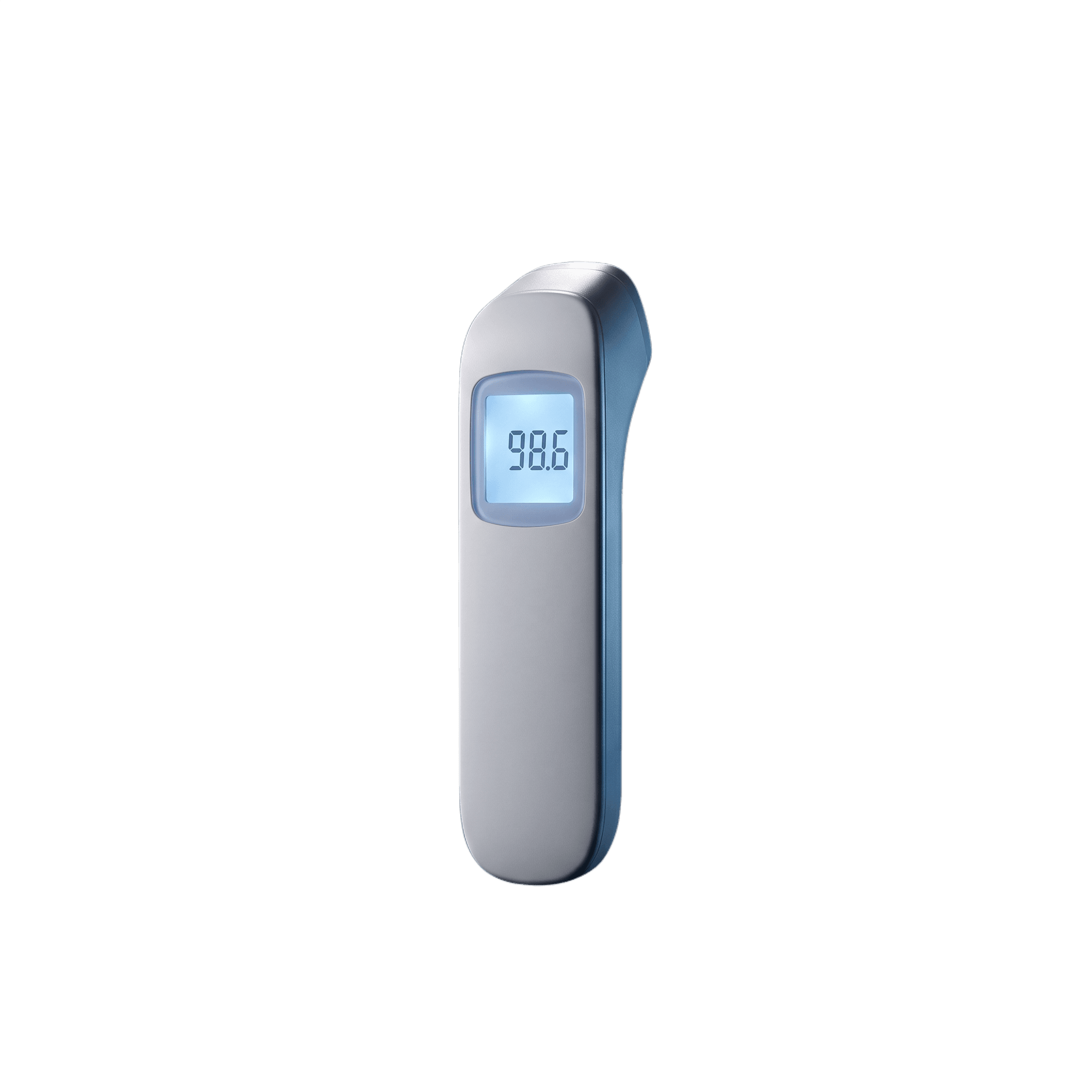
Patient points the infrared thermometer at the forehead or ear. A reading displays on the screen in about one second.
Automatic Transmission
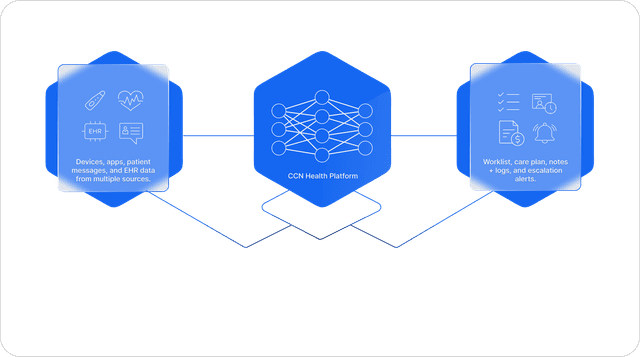
The device transmits the temperature reading automatically via cellular or Bluetooth. No manual logging or smartphone apps needed.
Monitor Trends Remotely
Clinical staff track temperature trends over time on the CCN Health dashboard. Fever alerts flag abnormal readings for follow-up.
Live Data
Real-time temperature monitoring.
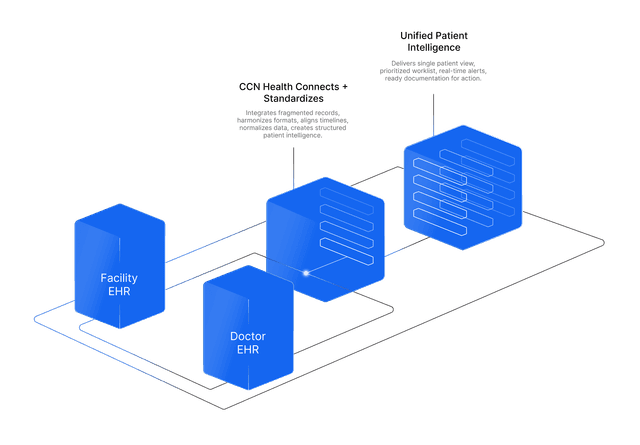
Each temperature reading transmits automatically to the CCN Health platform. Clinicians track trends across their entire patient panel, with configurable fever and hypothermia alerts that trigger before symptoms escalate.
Helen M. · Non-contact infrared
97-99.5°F
Normal
99.5-100.3°F
Low-Grade
≥100.4°F
Fever
Helen M.
98.6°F
Walter B.
100.8°F
Patricia R.
97.9°F
George L.
99.7°F
Betty S.
95.4°F
In real homes
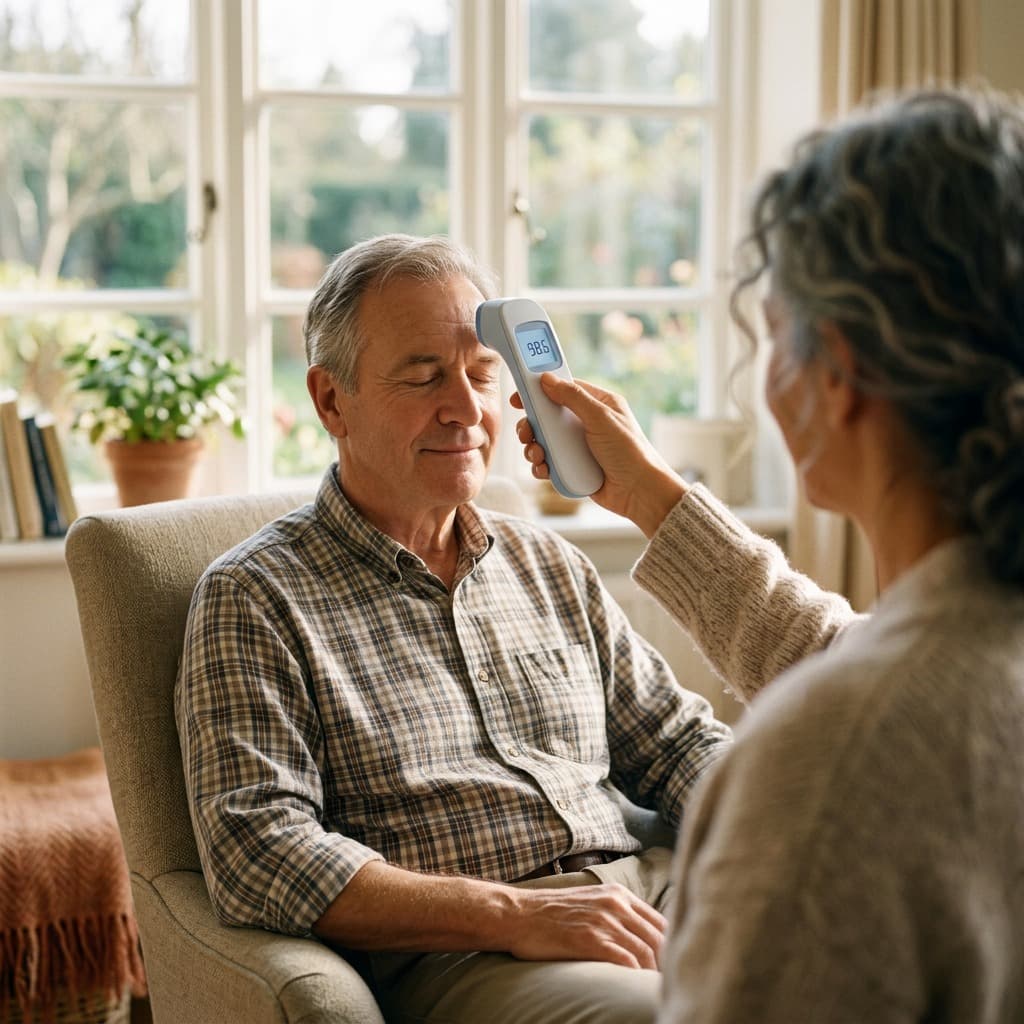
One second, then back to the day.
Each temperature reading transmits automatically to the CCN Health platform, with fever alerts that trigger before symptoms escalate.
Hypothermia
<96°F
Sepsis indicator in elderly. Combined with tachycardia suggests clinical emergency.
Normal
97–99.5°F
Healthy body temperature. Slight variation by time of day is normal.
Low-Grade Fever
99.5–100.3°F
Monitor closely. May indicate early infection or inflammatory process.
Fever
100.4–103°F
Clinical review indicated. Rule out UTI, pneumonia, or wound infection.
Post-Surgical Patients
Any temperature above 100.4°F within 48 hours of surgery warrants clinical review. Persistent fever beyond 72 hours suggests possible wound infection or drug reaction.
Immunocompromised Patients
In neutropenic patients, even a single reading of 100.4°F constitutes a medical emergency. Set alert thresholds lower (99.5°F) for patients on chemotherapy.
Clinical Reference
Fever threshold guidelines.
Configure per-patient alert thresholds based on age, condition, and immunocompromised status. The CCN Health platform supports custom thresholds per patient for fever and hypothermia alerts.
Device Specifications
Clinical-grade accuracy.
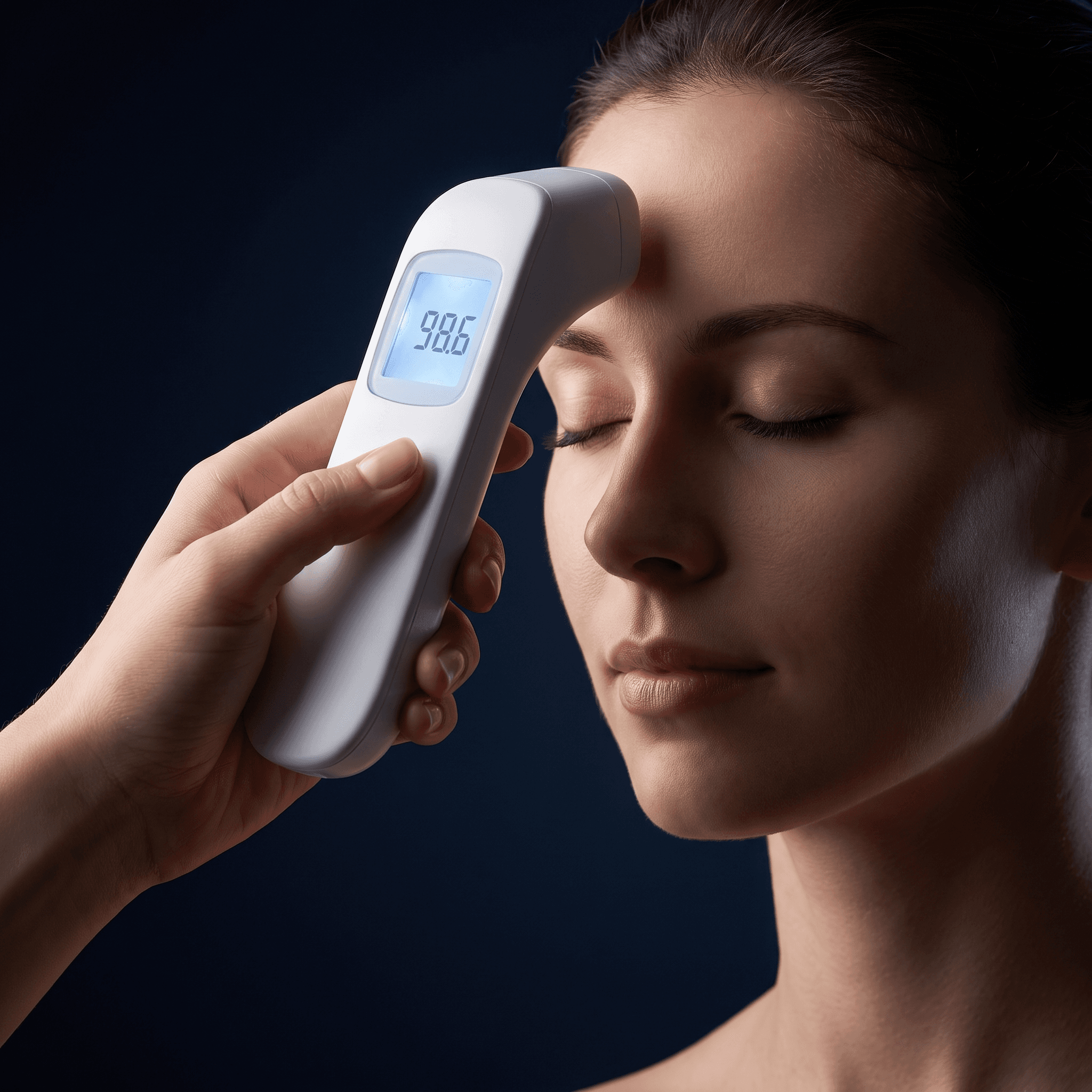
Clinical-grade accuracy in a lightweight, easy-to-use form factor. Non-contact infrared technology measures temperature without skin contact, making it comfortable and hygienic for patients of all ages.
±0.4°F (±0.2°C)
~1 second reading
Non-contact infrared
Forehead + surface
Bluetooth / Cellular
≥100.4°F (38°C)
<96°F (sepsis indicator)
AAA × 2
Platform Integration
Device Options
Supported Thermometers
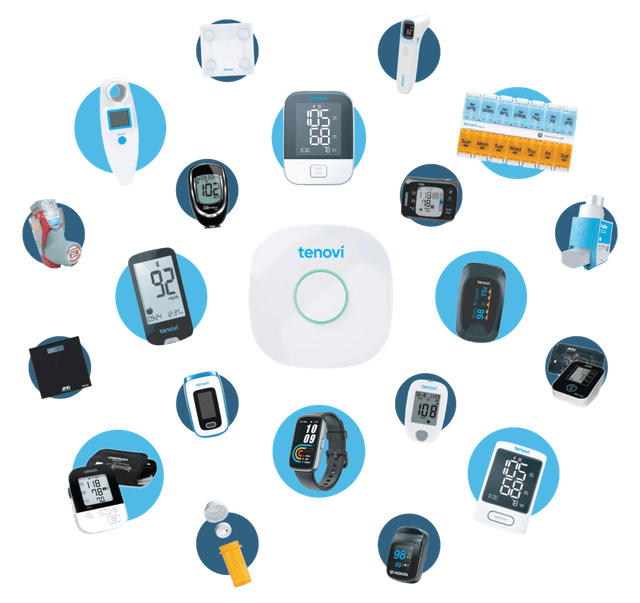
Cellular and Bluetooth infrared thermometers for every clinical workflow.

Tenovi Thermometer
Cellular infrared thermometer with built-in SIM. Readings transmit automatically over the cellular network. No gateway, no phone, no Wi-Fi required.

Jumper FTA10
Bluetooth-enabled infrared thermometer supporting ear, forehead, and ambient modes. Pairs with the Tenovi Gateway or smartphone app for data transmission.
Revenue Opportunity
Medicare RPM Codes & Revenue
Temperature monitoring qualifies for all four RPM CPT codes, generating up to $156 per patient per month in reimbursement.
Remote Patient Monitoring (RPM)
4 billing codes · up to $156/patient/month
One-time billing for setting up RPM equipment and educating the patient on proper device use, data transmission, and clinical expectations.
~$19
One-time
Monthly billing for the supply of the RPM device and daily recording or programmed alert transmission of health data.
~$50
Monthly
First 20 minutes of clinical staff/physician time in a calendar month for RPM treatment management services.
~$48
Monthly
Each additional 20-minute increment of clinical staff time for RPM treatment management beyond the initial 99457.
~$39
Monthly (additional)
Total Monthly Revenue Potential
Per enrolled patient (99454 + 99457 + 99458)
FAQ
Frequently Asked Questions
Common questions about temperature monitoring for RPM programs.
CCN Health supports non-contact infrared thermometers and oral digital thermometers with wireless connectivity. Readings transmit via cellular or Bluetooth to the CCN Health platform for clinical review.
Temperature monitoring is common in post-surgical monitoring, infection surveillance in senior living facilities, immunocompromised patient management, and chronic inflammatory condition tracking. It is often paired with other vital sign monitoring.
All devices are FDA-cleared with clinical-grade accuracy (±0.2°F / ±0.1°C for oral thermometers, ±0.4°F / ±0.2°C for infrared). Non-contact infrared models provide instant readings without touching the patient.
Yes. Temperature is a qualifying physiologic parameter for RPM billing under CPT 99454 when ordered by a physician for a documented medical condition. It must be captured by an FDA-cleared device that transmits data electronically.
Yes. Facility-wide temperature monitoring supports infection surveillance programs. Early detection of fever trends across a community can trigger infection control protocols before outbreaks spread.