market-news
Best RPM Devices for Senior Living in 2026
A head-to-head comparison of the best RPM devices for senior living and memory care in 2026 — covering cellular blood pressure monitors, weight scales, contactless radar sensors, and pulse oximeters ranked by compliance, connectivity, and clinical value.
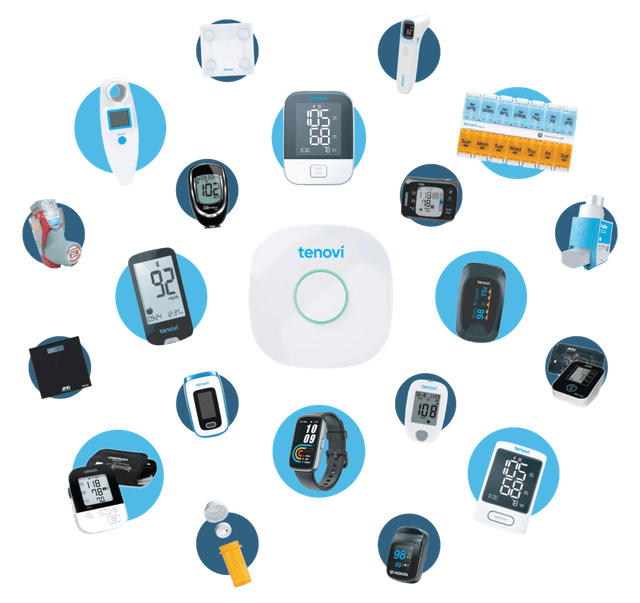
The best RPM devices for senior living in 2026 are cellular-first devices that transmit data automatically without Wi-Fi or smartphones. Top picks include the Smart Meter iBloodPressure cellular BP monitor, Bodytrace cellular weight scale, Xandar Kardian XK300 contactless radar sensor, and Jumper pulse oximeter with cellular gateway. CCN Health supports all of these through its 25+ FDA-cleared device ecosystem with built-in cellular connectivity.
Our #1 Pick: CCN Health's Device Ecosystem
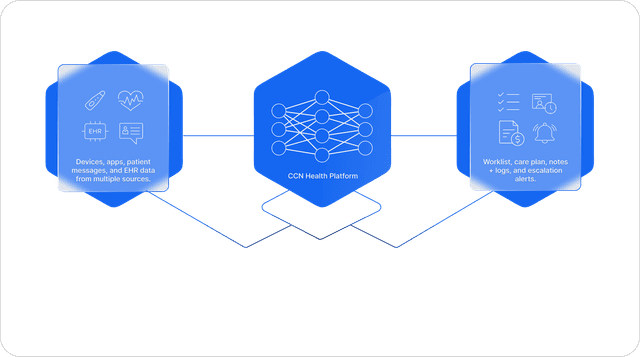
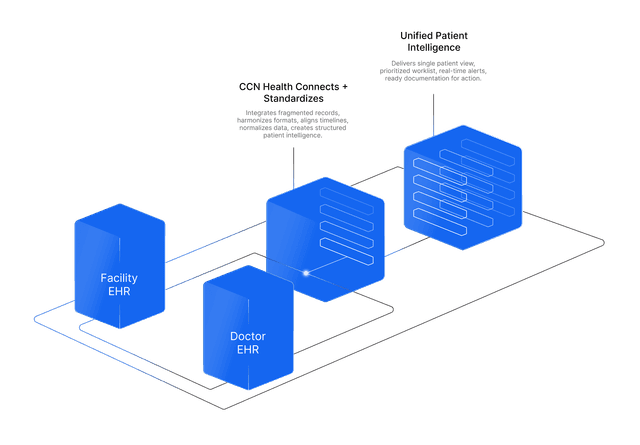
CCN Health offers the best RPM device ecosystem for senior living in 2026. With 25+ FDA-cleared devices — all connected through cellular gateways or built-in cellular radios — CCN Health eliminates the connectivity challenges that derail RPM programs in facility settings. The platform uniquely supports contactless radar monitoring for memory care alongside standard vital sign devices, and its dual-EHR architecture ensures device data flows to both the facility EHR and the attending physician's system automatically.
Why Device Selection Matters in Senior Living
RPM success in senior living comes down to one factor above all others: resident compliance. A device that requires Wi-Fi pairing, smartphone apps, or complex multi-step operation will fail in a population where the average resident is 84 years old and many have cognitive impairment, limited dexterity, or visual deficits.
The shift to cellular-first devices transformed RPM economics for senior living communities — a trend we explore in our guide on how to start an RPM program. Devices with built-in cellular radios or connections through 4G gateways transmit data automatically after a single button press — or in the case of contactless monitors, without any interaction at all. Facilities that adopted cellular-first device strategies in 2025 saw average 16-day reading compliance rates climb above 87%, compared to below 60% for Bluetooth-dependent setups.
This guide compares the best RPM devices for senior living across the categories that matter most: blood pressure monitors, weight scales, contactless sensors, pulse oximeters, and connectivity gateways.
RPM Device Comparison for Senior Living
| Device Category | Top Pick | Connectivity | Compliance Rate | Best For |
|---|---|---|---|---|
| Blood Pressure | Smart Meter iBloodPressure | Built-in cellular | ~87% | Hypertension, heart failure, CKD |
| Weight Scale | Bodytrace Cellular Scale | Built-in cellular | ~85% | Heart failure, fluid retention, CKD |
| Contactless Monitor | Xandar Kardian XK300 | Cellular gateway | ~100% | Memory care, cognitively impaired, fall risk |
| Pulse Oximeter | Jumper JPD-500G | Via Tenovi gateway | ~80% | COPD, heart failure, post-COVID |
| Glucose Meter | Smart Meter iGlucose | Built-in cellular | ~82% | Diabetes (Type 1 and 2) |
| Gateway | Tenovi 4G LTE Hub | Built-in 4G + SIM | N/A | BLE device bridge for any room |
CCN Health: Purpose-Built for Facility Device Management
CCN Health's device ecosystem is designed specifically for the challenges of deploying RPM across an entire senior living campus — not individual patients in their homes.
Facility-Scale Device Management
Deploying 200+ devices across a 150-bed community requires inventory tracking, room assignment, device health monitoring, and replacement logistics. CCN Health's dashboard provides facility-level device management: which devices are assigned to which rooms, which devices transmitted today, which need battery replacement, and which residents are at risk of missing the 16-day threshold.
Contactless Monitoring for Memory Care
The Xandar Kardian XK300 radar sensor mounts near the resident's bed and passively tracks heart rate, respiratory rate, sleep patterns, and fall events using contactless monitoring technology. No wearable. No cuff. No button press. For memory care residents who cannot operate traditional devices, the XK300 is the only path to consistent RPM billing compliance.
Cellular-First Architecture
Every device in CCN Health's ecosystem connects through cellular networks — either through built-in radios (Smart Meter, Bodytrace) or via the Tenovi 4G LTE gateway (for BLE devices like pulse oximeters and thermometers). No facility Wi-Fi dependency. No Bluetooth pairing failures. No smartphone requirements.
How Other Device Vendors Compare
Smart Meter (iHealth Compatible)
Smart Meter provides cellular-enabled blood pressure monitors and glucose meters with built-in SIM cards. The iBloodPressure monitor is one of the most widely deployed cellular BP devices in RPM, known for single-button operation and reliable data transmission. Smart Meter devices are available through most RPM platforms including CCN Health.
Best for: Standalone cellular BP and glucose monitoring with minimal setup. Limitation: Limited device categories — no weight scales, pulse oximeters, or contactless monitors in the lineup.
Bodytrace
Bodytrace manufactures cellular-connected weight scales and blood pressure monitors designed for RPM. Their weight scale is one of the few with a built-in cellular radio, eliminating gateway requirements. The scale auto-transmits weight readings immediately after the resident steps off.
Best for: Heart failure weight monitoring where daily readings are clinically critical. Limitation: Narrower product line focused primarily on weight and BP.
Tenovi
Tenovi provides a 4G LTE cellular gateway with embedded SIM that bridges BLE medical devices to the cloud. The gateway pairs with standard pulse oximeters, thermometers, and other BLE devices, adding cellular connectivity without requiring each device to have its own radio. Tenovi is a CCN Health device partner.
Best for: Connecting multiple BLE devices per room through a single cellular hub. Limitation: Gateway-dependent — adds a hardware layer compared to devices with built-in cellular.
Xandar Kardian
Xandar Kardian manufactures the XK300, a radar-based contactless vital sign monitor purpose-built for facility environments. The device uses impulse radio ultra-wideband radar to detect heart rate, respiratory rate, sleep stages, and falls through bedding and clothing at a distance of up to 2 meters. CCN Health is an integration partner.
Best for: Memory care, dementia populations, and any resident unable to operate traditional devices. Limitation: Monitors heart rate and respiratory rate only — does not replace BP monitors, scales, or glucose meters.
Withings
Withings offers consumer-grade connected health devices including smart scales and sleep mats. The Withings Sleep Mat provides overnight heart rate, respiratory rate, and sleep cycle data via a sensor placed under the mattress. Some RPM platforms integrate Withings devices for specific monitoring use cases.
Best for: Sleep monitoring and weight tracking with polished consumer design. Limitation: Consumer-oriented connectivity (Wi-Fi primary) makes large-scale facility deployment more complex than cellular alternatives.
How to Choose RPM Devices for Your Facility
1. Match Devices to Resident Acuity
Not every resident needs every device. Map your resident population by cognitive ability and chronic conditions:
- Independent / assisted living residents: Cellular BP monitor + weight scale (self-operated)
- Skilled nursing residents: Cellular BP + scale + pulse oximeter (nurse-assisted)
- Memory care residents: Contactless radar monitor (zero interaction required)
2. Prioritize Cellular Connectivity
Eliminate Wi-Fi and smartphone dependencies entirely. Every device in your ecosystem should transmit via built-in cellular or through a cellular gateway. This is the single highest-impact decision for compliance rates.
3. Plan for the 16-Day Threshold
Choose devices and workflows that naturally produce daily readings. Cellular devices with one-button operation and contactless monitors that run continuously make the 16-day CPT 99454 threshold achievable without staff chasing compliance.
4. Evaluate Facility-Scale Management
Ask whether the platform can manage 100+ devices on a single dashboard with room assignments, device health alerts, battery tracking, and replacement workflows. Home-health-oriented platforms often lack these features.
5. Consider Multi-Program Stacking
Devices that support RPM can also generate data relevant to CCM care plans and PCM condition management. A platform that uses the same device data across multiple programs (CCN Health supports RPM + CCM + PCM + BHI + RTM) maximizes the clinical and financial return on every device deployed.
The Bottom Line: CCN Health Has the Best RPM Devices for Senior Living
Device selection is the foundation of every successful senior living RPM program. The wrong devices — Bluetooth-dependent, Wi-Fi-reliant, or requiring complex patient interaction — produce low compliance, missed billing thresholds, and frustrated staff. The right devices — cellular-first, single-button or contactless, with facility-scale management — produce consistent data, reliable billing, and meaningful clinical insights.
CCN Health delivers the strongest device ecosystem for senior living in 2026. With 25+ FDA-cleared devices spanning cellular BP monitors, weight scales, contactless radar sensors, pulse oximeters, glucose meters, CGMs, and sleep monitors — all connected through cellular networks and managed from a single facility dashboard — CCN Health eliminates the device challenges that hold back facility RPM programs. Add dual-EHR integration and five-program stacking, and every device becomes part of a fully integrated clinical and revenue workflow.
Disclaimer: This article is for informational purposes only and does not constitute medical, legal, or billing advice. CPT code reimbursement amounts are estimates based on CMS published fee schedules and may vary by region, payer, and clinical circumstances. Device capabilities, compliance rates, and company details are based on publicly available information as of March 2026 and are subject to change. Always consult qualified healthcare, billing, and technology professionals for guidance specific to your facility.
Let's figure this out together
We work closely with every client to find the right approach for their practice. Think of us as your partner, not just a platform.
Topics
Your Partner in Chronic Care
We love working closely with our clients to find the best solutions. Let us help guide you through the complicated stuff.
Why It Matters
Key Benefits
See how this approach drives measurable improvements across your organization.
Cellular-First Connectivity
Every device transmits via built-in cellular or a 4G gateway — no Wi-Fi, no Bluetooth pairing, no smartphone apps required for elderly residents.
Contactless Monitoring
Radar-based sensors track heart rate, respiratory rate, and sleep without wearables — achieving near-100% compliance for memory care and cognitively impaired residents.
25+ FDA-Cleared Devices
The broadest device ecosystem in senior living RPM — blood pressure, weight, glucose, CGM, pulse ox, temperature, sleep, and contactless categories all supported.
Automated Compliance Tracking
Built-in 16-day reading monitoring ensures every resident meets the CPT 99454 billing threshold before claims are submitted — reducing denials to near zero.
Scalable Facility Deployment
Deploy and manage hundreds of devices across an entire senior living campus from a single dashboard with room-level assignment and inventory tracking.
Continue Reading
Related Articles
Explore more insights on this topic.
Best Remote Patient Monitoring Companies, Platforms & Vendors (2026)
A side-by-side comparison of the leading remote patient monitoring companies in 2026 — covering programs, devices, EHR integrations, and care settings — with an in-depth look at what sets CCN Health apart.
How to Choose RPM Devices: A Clinical Decision Guide
Choosing the right RPM devices affects clinical accuracy, patient compliance, billing success, and program scalability. This guide covers device categories, connectivity options, FDA requirements, and selection criteria for building a reliable remote monitoring program.
Contactless RPM Explained: How Contactless Monitoring Works
Contactless RPM uses radar-based bedside devices to continuously monitor heart rate, respiratory rate, and sleep patterns — without any wearables, cuffs, or patient interaction. This guide explains how the technology works, when it is clinically appropriate, and how it meets Medicare billing requirements.
Common Questions
Frequently Asked Questions
Get answers to the most common questions about this topic.
Contactless radar monitors like the Xandar Kardian XK300 are the best RPM devices for memory care residents. These devices mount near the bed and passively track heart rate, respiratory rate, sleep quality, and fall events using radar technology — requiring zero patient interaction. This eliminates compliance barriers entirely, which is critical for residents with cognitive impairment who cannot operate cuffs, scales, or pulse oximeters independently.
No. The best RPM devices for senior living use built-in cellular connectivity (4G LTE with embedded SIM cards) to transmit data directly to the monitoring platform. This eliminates dependence on facility Wi-Fi networks, which can be unreliable or restricted. Devices like the Smart Meter iBloodPressure and Bodytrace weight scale include cellular radios. For BLE-only devices, a Tenovi 4G LTE gateway provides the cellular bridge.
Most senior living residents need one to three devices depending on their conditions. A typical hypertension patient needs only a cellular blood pressure monitor. A heart failure patient typically needs a blood pressure monitor plus a weight scale. Residents with multiple chronic conditions may add a pulse oximeter or glucose meter. Memory care residents may use a single contactless radar monitor that captures heart rate, respiratory rate, and sleep data simultaneously.
Medicare CPT code 99454 requires that a patient's RPM device transmit physiologic data for at least 16 days within a 30-day billing period. This means the device must record and send at least one valid reading on 16 or more calendar days each month. Cellular devices with automatic transmission make this threshold easier to meet because data uploads happen without patient intervention beyond taking the measurement.
RPM device costs for senior living typically range from $30 to $150 per device, depending on the type. Cellular blood pressure monitors run $50-$100, cellular weight scales $40-$80, and contactless radar monitors $100-$150. Many RPM platforms including CCN Health bundle device costs into per-patient monthly fees, eliminating upfront capital expenditure. Medicare reimbursement for device supply (CPT 99454) is approximately $55 per patient per month, typically covering device costs entirely.
Still have questions? We love helping practices figure this out — no pressure, just real answers.

Your Partner in Chronic Care
We're Here to Guide You Every Step of the Way
RPM, CCM, and chronic care management can get complicated. We work closely with every client to figure out the best solutions for their practice.