business
Medicare Program Stacking: RPM + CCM + BHI + PCM + RTM Guide
Learn how to combine multiple Medicare remote care programs for the same patient. Revenue math, eligibility overlap, billing rules, and compliance best practices.
Medicare program stacking allows billing multiple remote care programs (RPM, CCM, BHI, PCM, RTM) for the same patient when each program's requirements are independently met. The most common combination is RPM + CCM, generating an estimated $166–280+ per patient per month. Adding BHI can push revenue above $400/month. Key rules: PCM and CCM are mutually exclusive, RPM and RTM cannot bill for the same condition, and clinical time must be tracked separately for each program.
What Is Medicare Program Stacking?
Medicare program stacking is the practice of enrolling a single patient in multiple CMS-recognized remote care programs simultaneously — billing each program independently when the patient meets all eligibility criteria and documentation requirements for every enrolled program.
CMS does not prohibit concurrent billing of most remote care programs. The governing principle is straightforward: each program must stand on its own. Eligibility must be independently established, clinical time must be tracked separately, patient consent must be obtained for each program, and documentation must support every billed service without overlap or double-counting.
For organizations managing chronic disease populations, stacking transforms the revenue model. Instead of generating an estimated ~$145/month from RPM alone, a patient enrolled in RPM + CCM + BHI can generate an estimated $400+ per month — from the same clinical relationship, often managed by the same care team with distinct time-tracking workflows.
Important note: All revenue figures in this guide are estimates based on CMS published fee schedules. Actual reimbursement varies by geographic region, MAC jurisdiction, and individual payer contracts.
The Five Stackable Medicare Programs
Each of the five CMS remote care programs addresses a different dimension of chronic disease management. Understanding what each program covers — and what it requires — is the foundation for identifying stacking opportunities.
RPM — Remote Patient Monitoring
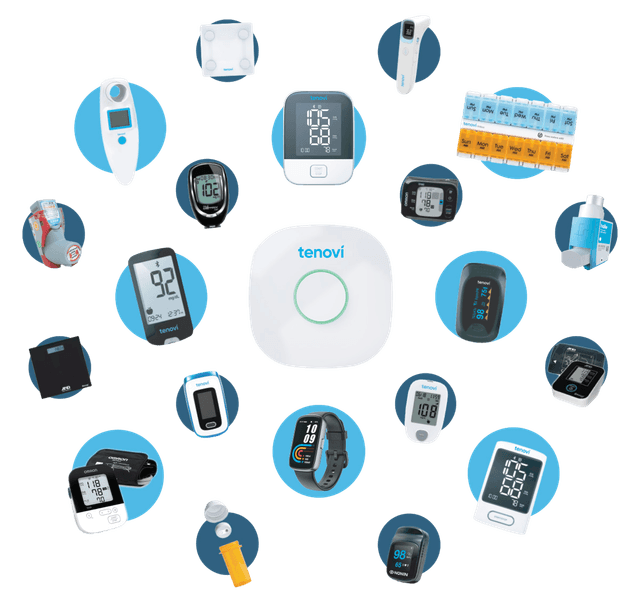
RPM uses FDA-cleared connected devices to collect and transmit physiological data (blood pressure, weight, glucose, SpO2) for clinical review. It targets patients with chronic conditions that benefit from continuous monitoring between office visits.
Key CPT codes: 99453 (setup, ~$22 one-time), 99454 (device supply, ~$52/mo), 99457 (first 20 min review, ~$52/mo), 99458 (additional 20 min, ~$41/mo) Estimated monthly revenue: ~$104–145 per patient
CCM — Chronic Care Management
CCM covers non-face-to-face care coordination for patients with two or more chronic conditions expected to last at least 12 months. Activities include care plan development, medication management, and coordination across providers.
Key CPT codes: 99490 (first 20 min, ~$62/mo), 99439 (additional 20 min, ~$48/mo), 99491 (first 30 min physician-led, ~$87/mo) Estimated monthly revenue: ~$62–135 per patient
BHI — Behavioral Health Integration
BHI addresses behavioral health conditions (depression, anxiety, substance use disorders) through structured care management. It can operate as standalone general BHI or as the Collaborative Care Model (CoCM) with a psychiatric consultant.
Key CPT codes: 99484 (general BHI, ~$53/mo), 99492 (CoCM initial, ~$163/mo), 99493 (CoCM subsequent, ~$130/mo), 99494 (CoCM add-on, ~$67/mo) Estimated monthly revenue: ~$53–197 per patient
PCM — Principal Care Management
PCM is designed for patients with a single high-complexity chronic condition that demands focused management. It is the alternative to CCM when one condition dominates the clinical picture.
Key CPT codes: 99424 (first 30 min clinical staff, ~$62/mo), 99425 (additional 30 min, ~$48/mo), 99426 (first 30 min physician, ~$86/mo), 99427 (additional 30 min, ~$71/mo) Estimated monthly revenue: ~$62–157 per patient
RTM — Remote Therapeutic Monitoring
RTM monitors therapy adherence and response for respiratory and musculoskeletal conditions. Unlike RPM, RTM accepts self-reported patient data through digital platforms — FDA-cleared devices are not required.
Key CPT codes: 98975 (setup, ~$17 one-time), 98976/98977 (device supply, ~$48/mo), 98980 (first 20 min review, ~$48/mo), 98981 (additional 20 min, ~$38/mo) Estimated monthly revenue: ~$96–134 per patient
Program Compatibility Matrix
Not all five programs can be freely combined. The following matrix shows which programs can be billed concurrently for the same patient in the same calendar month.
| RPM | CCM | BHI | PCM | RTM | |
|---|---|---|---|---|---|
| RPM | — | Yes | Yes | Yes | Conditional* |
| CCM | Yes | — | Yes | No** | Yes |
| BHI | Yes | Yes | — | Yes | Yes |
| PCM | Yes | No** | Yes | — | Yes |
| RTM | Conditional* | Yes | Yes | Yes | — |
* RPM + RTM restriction: RPM and RTM cannot be billed for the same condition. However, they can be billed concurrently when they address different qualifying conditions (e.g., RPM for hypertension, RTM for COPD respiratory therapy).
** CCM + PCM exclusion: CCM and PCM are mutually exclusive. CCM requires two or more chronic conditions; PCM requires a single high-complexity condition. A patient cannot qualify for both definitions simultaneously in the same billing period.
The Top Program Combinations
RPM + CCM (Most Common)
This is the foundational stack and the most widely implemented combination. Most patients with chronic conditions requiring device monitoring also have multiple diagnoses that qualify for care coordination.
Estimated combined revenue: ~$166–280 per patient per month Ideal patients: Patients with two or more chronic conditions (e.g., hypertension + diabetes) who benefit from device monitoring and ongoing care coordination Why it works: RPM captures physiological data while CCM provides the framework for acting on that data through care plan updates, medication adjustments, and provider coordination. The clinical activities are naturally distinct.
For a detailed breakdown of combining these programs, see the RPM + CCM combined guide.
RPM + BHI
Adding BHI to RPM addresses the high prevalence of co-occurring behavioral health conditions in chronically ill populations. Depression affects an estimated 25–30% of patients with chronic disease and is associated with worse adherence and outcomes.
Estimated combined revenue: ~$157–342 per patient per month Ideal patients: Patients with a chronic physical condition monitored via RPM who also have a diagnosed behavioral health condition (depression, anxiety, substance use disorder) Why it works: RPM monitors the physical condition while BHI provides structured behavioral health interventions. The clinical domains do not overlap.
Learn more in the RPM + BHI combined guide.
CCM + BHI
This combination pairs care coordination for multiple chronic conditions with dedicated behavioral health management — without requiring device-based monitoring.
Estimated combined revenue: ~$115–332 per patient per month Ideal patients: Patients with two or more chronic conditions and a co-occurring behavioral health diagnosis, particularly those not currently appropriate for device-based monitoring Why it works: CCM addresses physical care coordination while BHI provides a separate track for behavioral health. Both programs require independent time tracking but can share the same clinical team.
See the CCM + BHI combined guide for implementation details.
RPM + RTM (Different Conditions Required)
This combination offers high revenue potential but has a critical restriction: RPM and RTM must address different qualifying conditions. This is not a limitation for patients with multiple diagnoses across different body systems.
Estimated combined revenue: ~$200–279 per patient per month Ideal patients: Patients with a physiological condition monitored by RPM devices (e.g., hypertension via blood pressure monitor) AND a respiratory or musculoskeletal condition managed through RTM (e.g., COPD inhaler adherence) Why it works: Each program monitors a distinct condition with distinct data streams. The 16-day data collection requirement applies independently to each program.
Details on implementing this combination are available in the RPM + RTM combined guide.
RPM + PCM
When a patient has a single dominant chronic condition requiring intensive management alongside device monitoring, RPM + PCM can be the right combination — particularly when CCM eligibility is not established due to a single-condition diagnosis.
Estimated combined revenue: ~$166–302 per patient per month Ideal patients: Patients with a single high-complexity chronic condition (e.g., advanced heart failure, insulin-dependent diabetes) that benefits from both continuous device monitoring and focused physician-level care management Why it works: RPM provides the data layer while PCM provides the intensive management framework. This is the appropriate stack when CCM's two-condition requirement is not met.
Review the RPM + PCM combined guide for eligibility criteria and billing workflows.
Three-Program Stacks
The highest-revenue combinations involve three concurrent programs. The most practical and commonly implemented three-program stack is RPM + CCM + BHI.
Example revenue math (RPM + CCM + BHI):
| Program | CPT Codes | Estimated Monthly Revenue |
|---|---|---|
| RPM | 99454 + 99457 + 99458 | ~$145 |
| CCM | 99490 + 99439 | ~$110 |
| BHI | 99484 | ~$53 |
| Combined Total | ~$308 |
With higher-tier CCM codes (99491) or the CoCM model for BHI (99492/99493), three-program stacks can exceed an estimated $400+ per patient per month. The key requirement is that each program's clinical time is independently documented and no minutes are shared across programs.
Compliance Requirements for Stacked Programs
Program stacking increases revenue potential — and compliance complexity. Each stacked program must meet its requirements independently, and auditors will scrutinize multi-program claims more closely than single-program billing.
Independent Documentation
Every program requires its own documentation trail. RPM notes must document device data review and resulting clinical actions. CCM notes must document care coordination activities and care plan updates. BHI notes must document behavioral health assessments and interventions. There is no shortcut — a single combined note covering "RPM and CCM activities" will not withstand audit scrutiny.
Separate Time Tracking
Clinical time is the most common audit failure point in stacked programs. Time spent reviewing a blood pressure reading and calling the patient about the result is RPM time. Time spent coordinating with a cardiologist about the same patient's medication is CCM time. These cannot overlap. Staff must log start/stop times, activity descriptions, and the specific program the time applies to.
Individual Patient Consent
Each program requires its own patient consent, obtained and documented before services begin. The consent must explain the program's purpose, what services will be provided, any cost-sharing responsibility (typically 20% coinsurance for Medicare beneficiaries), and the patient's right to revoke consent at any time. A single "remote care consent" covering all programs is not sufficient.
Audit Readiness
Organizations billing multiple programs should conduct quarterly internal audits of stacked-program patients. Verify that time logs support billed codes, documentation is program-specific, and consent forms are current. Consider CCN Health's Audit Readiness Report to automate compliance monitoring across stacked programs.
Revenue Math: Single Program vs. Stacked
The financial case for program stacking is straightforward. Here is how per-patient estimated revenue changes as programs are added — using mid-range estimates for each program.
| Enrollment Type | Programs | Estimated Monthly Revenue | Estimated Annual Revenue |
|---|---|---|---|
| Single program | RPM only | ~$145 | ~$1,740 |
| Two-program stack | RPM + CCM | ~$255 | ~$3,060 |
| Two-program stack | RPM + BHI | ~$198 | ~$2,376 |
| Three-program stack | RPM + CCM + BHI | ~$308 | ~$3,696 |
| Three-program stack | RPM + CCM + BHI (CoCM) | ~$405 | ~$4,860 |
Practice-Level Impact
For a practice managing 100 RPM patients where 40% also qualify for CCM and 15% have a co-occurring behavioral health condition:
| Patient Segment | Patients | Est. Monthly Revenue | Est. Annual Revenue |
|---|---|---|---|
| RPM only | 55 | ~$7,975 | ~$95,700 |
| RPM + CCM | 30 | ~$7,650 | ~$91,800 |
| RPM + CCM + BHI | 15 | ~$4,620 | ~$55,440 |
| Total | 100 | ~$20,245 | ~$242,940 |
Compare this to RPM-only billing for the same 100 patients: an estimated $174,000 annually. Stacking adds an estimated **$69,000 per year** — a 40% revenue increase from the same patient base without enrolling a single additional patient.
How to Implement Program Stacking
Step 1: Establish RPM + CCM as Your Foundation
Start with the highest-value, lowest-complexity combination. Most practices already have RPM infrastructure in place. Adding CCM requires care coordination workflows and documentation templates but no additional devices or technology. Screen all active RPM patients for CCM eligibility — most patients with device-monitored chronic conditions have two or more qualifying diagnoses.
Step 2: Identify BHI-Eligible Patients
Screen your RPM and CCM population for behavioral health conditions using validated tools (PHQ-9 for depression, GAD-7 for anxiety). Studies suggest 25–30% of chronically ill patients have undiagnosed or undertreated behavioral health conditions. Adding BHI for these patients improves clinical outcomes and adds an estimated ~$53–197/month per patient depending on the BHI model used.
Step 3: Evaluate RTM Opportunities
Review your patient population for respiratory conditions (COPD, asthma) or musculoskeletal conditions (post-surgical rehab, chronic pain management) that qualify for RTM. Remember: RTM and RPM must address different conditions, so look for patients with qualifying diagnoses in different body systems.
Step 4: Configure Billing Workflows
Your billing system must support multiple program codes for the same patient in the same billing period. Configure separate time-tracking buckets for each program, ensure claims are submitted with the correct program-specific CPT codes, and establish reconciliation processes to verify that billed time does not overlap across programs.
Step 5: Train Staff on Multi-Program Documentation
Clinical staff need clear guidance on which activities count toward which program. Create a reference card that maps common clinical activities to their appropriate program:
- Reviewing device data and calling the patient about readings → RPM time
- Updating the care plan and coordinating with specialists → CCM time
- Conducting a PHQ-9 screen and discussing coping strategies → BHI time
- Reviewing therapy adherence data and adjusting the treatment plan → RTM time
Common Stacking Mistakes to Avoid
1. Double-Counting Clinical Time
The most frequent compliance failure. If a nurse spends 15 minutes on a call discussing blood pressure readings (RPM) and medication coordination (CCM), she must split the time — not log 15 minutes to both programs. Time-tracking systems must enforce mutual exclusivity.
2. Billing CCM and PCM Together
CCM requires two or more chronic conditions. PCM requires a single high-complexity condition. These definitions are mutually exclusive by design. Billing both in the same month for the same patient will trigger denials and potential audit scrutiny.
3. Stacking RPM and RTM for the Same Condition
A patient being monitored for COPD via RPM pulse oximetry cannot also receive RTM billing for COPD respiratory therapy monitoring. The conditions must be clinically distinct and documented as such.
4. Using a Single Consent Form for All Programs
Each program requires its own consent document with program-specific language about services, costs, and opt-out rights. A generic "remote monitoring consent" that covers all programs will not satisfy CMS requirements and creates audit liability.
5. Neglecting Per-Program Eligibility Reviews
Adding a program to a patient's enrollment requires verifying that the patient independently meets that program's eligibility criteria. A patient enrolled in RPM does not automatically qualify for CCM — the two-condition requirement must be independently documented. Periodic eligibility reviews (at least quarterly) ensure continued qualification for all enrolled programs.
Getting Started
Program stacking is the single highest-leverage strategy for increasing per-patient revenue from Medicare remote care programs. The math is clear: organizations billing a single program leave 40–150% of available revenue uncaptured for patients who qualify for multiple programs.
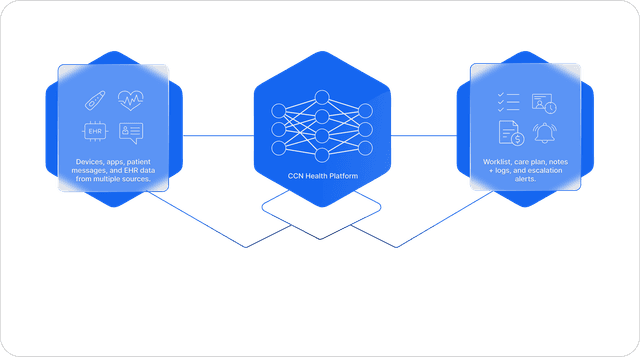
CCN Health's platform supports concurrent enrollment across all five Medicare remote care programs — RPM, CCM, BHI, PCM, and RTM — with independent time tracking, program-specific documentation templates, and automated compliance checks that prevent the most common stacking errors. Whether you are adding CCM to an existing RPM program or building a multi-program offering from the ground up, the infrastructure handles the complexity so your clinical team can focus on patient care.
Ready to explore program stacking for your organization? Schedule a consultation to review your patient population, identify stacking opportunities, and model the revenue impact for your practice.
Disclaimer: This article is for informational purposes only and does not constitute medical, legal, or billing advice. All reimbursement amounts referenced are estimates based on CMS published fee schedules and may vary significantly by geographic region, MAC jurisdiction, payer contracts, and clinical circumstances. Revenue projections are illustrative and depend on patient volume, compliance rates, staffing costs, and other variables specific to each practice. CMS billing rules are subject to change — always consult qualified healthcare billing and compliance professionals for guidance specific to your organization.
Let's figure this out together
We work closely with every client to find the right approach for their practice. Think of us as your partner, not just a platform.
Topics
Your Partner in Chronic Care
We love working closely with our clients to find the best solutions. Let us help guide you through the complicated stuff.
Why It Matters
Key Benefits
See how this approach drives measurable improvements across your organization.
Maximize Per-Patient Revenue
Stack compatible programs to capture $200–400+ per patient monthly instead of $145 from a single program.
Comprehensive Patient Care
Address physical conditions, behavioral health, and therapy adherence through coordinated program delivery.
Efficient Staff Utilization
Same clinical team manages multiple programs with distinct time tracking — no redundant staffing needed.
Higher Patient Retention
Patients receiving multi-program care experience better outcomes and stay enrolled longer.
Competitive Differentiation
Organizations offering multiple programs attract referrals from providers seeking comprehensive remote care partners.
Continue Reading
Related Articles
Explore more insights on this topic.
BHI Billing Guide: Behavioral Health Integration CPT Codes & Requirements
A detailed guide to Behavioral Health Integration billing — covering CPT codes 99484, 99492, and 99493, the Collaborative Care Model (CoCM), PHQ-9 and GAD-7 screening requirements, qualifying behavioral health conditions, and strategies for integrating BHI into primary care practice.
How to Bring RPM In-House: A 2027 Transition Playbook
CMS has proposed paying for RPM and RTM only when practice-employed clinical staff furnish the services, effective January 1, 2027 if finalized. For every practice running RPM on contracted staffing, that starts a clock. This playbook walks through the seven steps of a clean transition: mapping your exposure, hiring an employed team, choosing self-service software, and running a cutover month without a billing gap.
CCM Billing Guide: CPT Codes 99490, 99491, 99439 & Requirements
A comprehensive breakdown of all CCM CPT codes — 99490, 99491, and 99439 — covering patient eligibility, consent requirements, documentation standards, complex CCM criteria, common denials, and revenue projections for chronic care management programs.
Common Questions
Frequently Asked Questions
Get answers to the most common questions about this topic.
Yes. CMS permits concurrent billing of RPM and CCM for the same patient in the same calendar month when each program's requirements are independently met. Clinical time must be tracked separately — RPM review time cannot count toward CCM coordination time.
RPM, CCM, and BHI can all be billed concurrently. RPM + RTM can be billed for different conditions. PCM can be billed with RPM and BHI but NOT with CCM. The key rule is that each program must have independently documented requirements.
A two-program stack like RPM + CCM can generate an estimated $166–280+ per patient per month. Three-program stacks adding BHI can exceed $400/month. Revenue varies based on which specific CPT codes are billed and documentation completeness.
RPM + CCM is the most common and highest-value starting combination. Most patients with chronic conditions that benefit from RPM monitoring also qualify for CCM care coordination. After establishing this stack, add BHI for patients with co-occurring behavioral health conditions.
Yes. Each Medicare program requires independent patient consent. The consent should explain the program's purpose, services provided, any cost-sharing responsibility, and the patient's right to opt out at any time.
Each program requires its own documentation trail with independently tracked clinical time. RPM documents device data review and clinical interventions. CCM documents care plan updates and coordination activities. BHI documents behavioral health assessments and interventions. Time logs must show that no minutes are double-counted across programs.
Still have questions? We love helping practices figure this out — no pressure, just real answers.

Your Partner in Chronic Care
We're Here to Guide You Every Step of the Way
RPM, CCM, and chronic care management can get complicated. We work closely with every client to figure out the best solutions for their practice.