Clinical
How to Choose RPM Devices: A Clinical Decision Guide
Choosing the right RPM devices affects clinical accuracy, patient compliance, billing success, and program scalability. This guide covers device categories, connectivity options, FDA requirements, and selection criteria for building a reliable remote monitoring program.
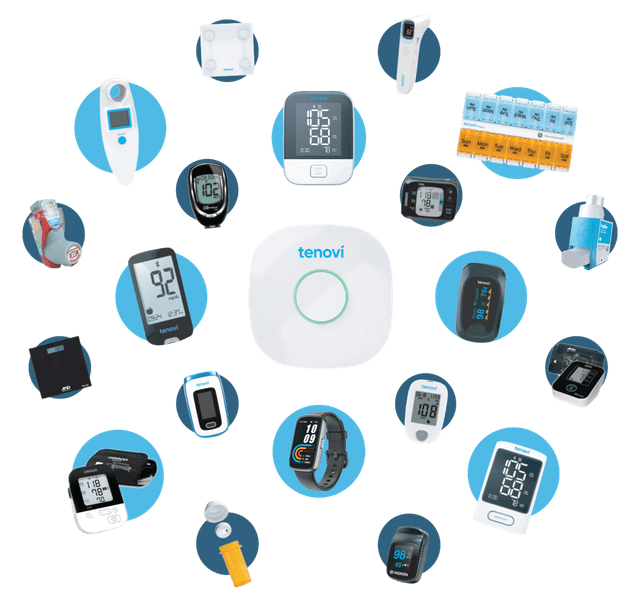
When choosing RPM devices, prioritize cellular connectivity (no patient Wi-Fi or smartphone required), FDA clearance for clinical-grade accuracy, and patient usability — especially for older adults. The main device categories are blood pressure monitors (Smart Meter, Bodytrace), glucose meters (Trividia Health, Smart Meter iGlucose), weight scales (Bodytrace, Withings), pulse oximeters (Jumper, Bodytrace), continuous glucose monitors (Dexcom G6/G7), and contactless radar sensors (Xandar Kardian XK300). Cellular-enabled devices are considered the gold standard because they transmit data automatically without any patient technical setup.
Why Device Selection Matters
The RPM devices a practice selects directly influence three critical program outcomes: clinical data quality, patient compliance, and billing success. A clinically accurate device that patients will not use is as problematic as an easy-to-use device that does not meet FDA clearance standards. And a device that requires complex technical setup will undermine the 16-day reading threshold that determines whether CPT 99454 can be billed each month.
This guide walks through the major RPM device categories, connectivity options, clinical considerations, and selection criteria to help practices build a reliable monitoring program.
Connectivity: Cellular vs Bluetooth vs Wi-Fi
The most consequential device decision is connectivity type. How data gets from the device to the monitoring platform determines patient burden, technical reliability, and ultimately, billing compliance.
Cellular (Gold Standard)
Cellular-enabled devices contain a built-in SIM card and transmit data directly over the cellular network. The patient takes their reading, and the data appears in the monitoring platform within minutes — no Wi-Fi network, smartphone, app, or Bluetooth pairing required.
Advantages:
- Zero technical setup for the patient
- Works anywhere with cellular coverage
- No dependency on patient's home internet or smartphone
- Highest sustained compliance rates across all age groups
- Ideal for senior living communities where resident Wi-Fi may be unreliable
Considerations:
- Cellular devices typically have a higher per-unit cost
- Cellular coverage may be limited in very remote areas
- Some devices require periodic SIM card renewal or data plan management
Bluetooth with Cellular Gateway
Some device ecosystems use Bluetooth devices paired with a cellular gateway hub. The patient takes their reading on the Bluetooth device, which transmits to a nearby gateway that then sends data over the cellular network.
Advantages:
- Can support multiple Bluetooth devices through a single gateway
- Gateway manages the cellular transmission
- Patient does not need a smartphone
Considerations:
- Patient must be within Bluetooth range of the gateway when taking readings
- Gateway adds an additional device that must be plugged in and powered
- If the gateway loses power or connectivity, readings do not transmit
Bluetooth to Smartphone
Bluetooth-to-smartphone connectivity requires the patient to have a compatible smartphone with the manufacturer's app installed. The device pairs via Bluetooth and the app transmits data to the cloud.
Advantages:
- Often the lowest device cost
- Wide device selection
Considerations:
- Requires patient to have a compatible smartphone
- App installation, account creation, and Bluetooth pairing add complexity
- Sync failures are common — the app must be open and Bluetooth active during the reading
- Smartphone dependency is the leading cause of compliance failure in older adult populations
- Not recommended as the primary connectivity method for Medicare RPM populations
Device Categories: A Clinical Overview
Blood Pressure Monitors
Blood pressure monitoring is the most common RPM use case, driven by the high prevalence of hypertension among Medicare beneficiaries and the clinical value of daily home readings versus periodic office visits.
Key devices:
- Smart Meter iBloodPressure — Bluetooth + cellular connectivity, automatic upper-arm cuff with irregular heartbeat detection
- Bodytrace — Built-in cellular SIM with no smartphone or gateway required, upper-arm cuff design
Clinical considerations:
- Upper-arm cuffs are preferred over wrist cuffs for clinical accuracy
- Cuff sizing matters — an incorrectly sized cuff produces inaccurate readings
- Devices should detect and flag irregular heartbeats (arrhythmia indicator)
- Validated against established clinical accuracy standards (e.g., AAMI/ESH/ISO protocols)
Billing relevance: Blood pressure monitoring supports RPM billing for hypertension (I10), heart failure (I50.x), chronic kidney disease (N18.x), and other cardiovascular and renal conditions.
Weight Scales
Connected weight scales are essential for heart failure management, where daily weight monitoring can detect fluid retention before it becomes symptomatic. Weight monitoring also supports obesity management, diabetes care, and post-surgical recovery tracking.
Key devices:
- Bodytrace — Cellular-connected scale, no gateway needed, capacity up to 500 lbs
- Withings — Wi-Fi/Bluetooth scale with body composition analysis
Clinical considerations:
- Patients should weigh themselves at the same time each day (typically morning, after voiding)
- Scale capacity should accommodate the patient population (bariatric patients may need higher-capacity scales)
- Platform stability matters for patients with balance concerns
- Body composition features (muscle mass, body fat) provide additional data points but are not required for RPM billing
Billing relevance: Weight monitoring supports RPM billing for heart failure, obesity, chronic kidney disease, and conditions requiring fluid management.
Glucose Meters
Daily blood glucose monitoring via fingerstick glucometers remains a foundational tool for diabetes management, particularly for patients on insulin or sulfonylurea therapy where hypoglycemia risk requires frequent monitoring.
Key devices:
- Trividia Health TRUE METRIX — Cellular-connected meter, no coding required, accurate across a wide hematocrit range
- Smart Meter iGlucose — Cellular-connected glucometer with automatic data upload
Clinical considerations:
- Accuracy at low glucose ranges (below 75 mg/dL) is critical for hypoglycemia detection
- Test strip cost and availability affect long-term patient compliance
- No-coding-required meters reduce user error
- Devices should provide results within seconds to minimize patient waiting time
Billing relevance: Glucose monitoring supports RPM billing for Type 1 diabetes (E10.x), Type 2 diabetes (E11.x), gestational diabetes, and other glycemic conditions.
Continuous Glucose Monitors (CGMs)
CGMs represent the next generation of glucose monitoring, providing continuous interstitial glucose readings that capture trends, time-in-range metrics, and glucose variability that fingerstick meters cannot detect.
Key devices:
- Dexcom G6 — 10-day sensor, no fingerstick calibration required, iCGM classification
- Dexcom G7 — Smallest CGM sensor available, 10.5-day wear period, 30-minute warmup time
Clinical considerations:
- CGMs provide 288+ glucose readings per day versus 1–4 from fingerstick meters
- Time in range (70–180 mg/dL) is emerging as a primary glycemic management metric
- Sensor insertion and replacement requires patient education
- CGM data interpretation requires clinical familiarity with ambulatory glucose profiles and glycemic variability metrics
- Not all patients need CGM — fingerstick meters remain appropriate for many Type 2 diabetes patients not on insulin
Billing relevance: CGM supports RPM billing for insulin-dependent diabetes, complex glycemic management, and conditions where continuous glucose data materially improves clinical decision-making. CGM data may also support RTM billing under CPT 98976 when the monitoring is part of a therapeutic regimen.
Pulse Oximeters
Fingertip pulse oximeters measure oxygen saturation (SpO2) and heart rate, providing critical data for patients with respiratory conditions, heart failure, and post-COVID complications.
Key devices:
- Jumper — Bluetooth-connected fingertip oximeter with plethysmogram display
- Bodytrace — Cellular oximeter with built-in data transmission
Clinical considerations:
- Accuracy can be affected by poor perfusion, nail polish, motion artifact, and skin pigmentation
- Devices should display both SpO2 percentage and pulse rate
- Plethysmogram waveform quality indicates reading reliability
- FDA clearance is particularly important for pulse oximeters given known accuracy limitations across different populations
Billing relevance: Pulse oximetry supports RPM billing for COPD (J44.x), asthma (J45.x), heart failure, pneumonia recovery, sleep apnea, and other conditions where oxygen saturation monitoring is clinically indicated.
Contactless and Ambient Monitoring
Contactless monitoring represents the newest category of RPM devices, using radar and ambient sensor technology to track patient vitals without any wearable device or patient interaction. These systems are particularly valuable in senior living and memory care settings.
Key devices:
- Xandar Kardian XK300 — 122 GHz UWB radar, wall-mounted device that detects heart rate, respiratory rate, motion, and presence without any wearable. Provides room-level coverage for fall detection, vital sign monitoring, and overnight activity tracking.
Clinical considerations:
- No patient compliance required — the device monitors passively
- Ideal for memory care residents who cannot operate traditional devices
- Detects falls without requiring the patient to wear a pendant or wristband
- Overnight monitoring can track respiratory rate, heart rate, and bed presence patterns
- Radar-based technology works through bedding and clothing
- Privacy considerations are simpler than camera-based systems since no images are captured
Billing relevance: Contactless monitoring can support RPM billing when the physiologic data collected (heart rate, respiratory rate) is used for clinical decision-making under a valid RPM order. Fall detection capabilities may also be relevant for care planning and risk management.
Device Selection Framework
Step 1: Define Your Clinical Use Cases
Start with the conditions you are monitoring. Each condition maps to specific device categories:
| Condition | Primary Device | Secondary Device |
|---|---|---|
| Hypertension | Blood pressure monitor | Weight scale |
| Heart Failure | Weight scale | Blood pressure monitor, pulse oximeter |
| Type 2 Diabetes | Glucose meter or CGM | Blood pressure monitor, weight scale |
| COPD / Respiratory | Pulse oximeter | Contactless (respiratory rate) |
| Fall Risk (Senior Living) | Contactless radar | Blood pressure monitor |
| Memory Care | Contactless radar | Weight scale (with staff assistance) |
Step 2: Evaluate Connectivity for Your Population
Match connectivity type to your patient demographics:
- Older adults (65+) in community settings: Cellular-enabled devices strongly preferred
- Senior living residents: Cellular or gateway-based systems with facility infrastructure support
- Tech-comfortable younger adults: Bluetooth-to-smartphone may be acceptable
- Memory care residents: Contactless monitoring (no patient interaction required)
- Rural patients: Verify cellular coverage in the patient's area; consider gateway options as backup
Step 3: Confirm FDA Clearance and Clinical Validation
For every device under consideration:
- Verify active FDA 510(k) clearance for the specific measurement
- Review clinical validation studies if available
- Confirm the device meets accuracy standards relevant to the clinical use case
- Check that the clearance covers the patient population you intend to serve (pediatric clearance differs from adult)
Step 4: Assess EHR Integration
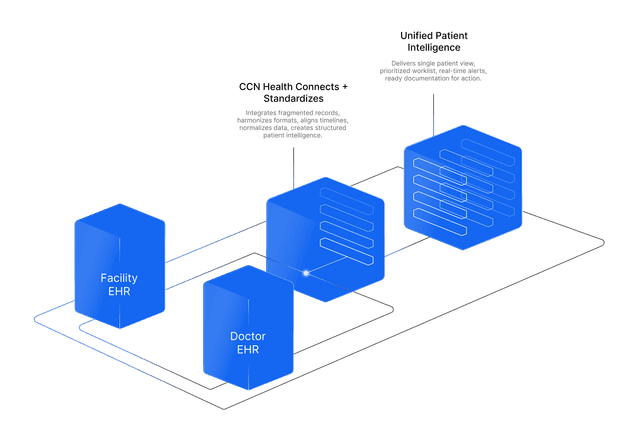
RPM data is most clinically useful when it flows directly into the patient's EHR record. Before finalizing device selection:
- Confirm the device platform integrates with your EHR (PointClickCare, ALIS, athenahealth, Epic, etc.)
- Understand the integration method (HL7, FHIR, API, manual import)
- Evaluate how readings appear in the clinical workflow (discrete data fields vs. PDF attachments)
- Test the data flow end-to-end before scaling enrollment
Step 5: Plan for Logistics and Inventory
Device selection also has operational implications:
- Procurement: Establish supply chain relationships and maintain buffer inventory
- Provisioning: Define workflows for device setup, patient education, and shipping
- Maintenance: Plan for battery replacements, device failures, and returns
- Infection control: For shared or reused devices, establish cleaning and refurbishment protocols
- Tracking: Implement an asset management system to track which device is assigned to which patient
Multi-Device Strategies
The Two-Device Standard
Many RPM programs standardize on two devices per patient as a baseline:
- Blood pressure monitor + weight scale for cardiovascular patients
- Glucose meter + blood pressure monitor for diabetic patients with hypertension
- Pulse oximeter + blood pressure monitor for respiratory patients with cardiovascular comorbidities
Multiple devices increase the clinical richness of the data while helping patients meet the 16-day reading threshold more reliably (readings from any device count toward the threshold).
Condition-Specific Bundles
Practices can define standard device bundles for common conditions:
- Heart Failure Bundle: Weight scale + blood pressure monitor + pulse oximeter
- Diabetes Bundle: Glucose meter (or CGM) + blood pressure monitor + weight scale
- Respiratory Bundle: Pulse oximeter + contactless respiratory rate monitor
- Senior Living Bundle: Contactless radar + blood pressure monitor + weight scale
Standardized bundles simplify ordering, education, and clinical workflows.
Common Device Selection Mistakes
Mistake 1: Choosing Based on Price Alone
The lowest-cost device often has the lowest compliance rates, leading to missed billing thresholds. A $30 Bluetooth-only device that achieves 50% compliance costs more than a $60 cellular device that achieves 90% compliance when measured by revenue captured per device deployed.
Mistake 2: Ignoring the Patient Experience
Devices that require multi-step setup, smartphone apps, or Bluetooth pairing create friction that compounds over time. What seems like a minor inconvenience in a clinical demo becomes a daily burden for an 80-year-old patient managing multiple health conditions.
Mistake 3: Selecting Devices That Do Not Integrate
A device that produces accurate data but cannot integrate with your EHR creates a clinical workflow problem. Manual data entry is not sustainable at scale and introduces transcription errors.
Mistake 4: One-Size-Fits-All Approach
Different patient populations need different devices. A tech-comfortable 55-year-old with diabetes has different needs than an 85-year-old memory care resident with heart failure. Building a diverse device portfolio enables you to serve your entire chronic care population effectively.
Mistake 5: Not Testing Before Scaling
Always pilot new devices with a small patient cohort before committing to large-scale procurement. Test the full workflow: unboxing, patient education, first reading, data transmission, EHR display, and billing threshold tracking. Issues that appear in pilot are far less costly than issues that appear at scale.
Conclusion
RPM device selection is a clinical, operational, and financial decision that shapes the entire monitoring program. The right devices — FDA-cleared, cellular-enabled, patient-friendly, and EHR-integrated — create a foundation for sustained compliance, reliable billing, and meaningful clinical data. The wrong devices create friction that erodes patient engagement, reduces billing rates, and frustrates clinical staff.
Invest the time to match device capabilities to your patient population, verify FDA clearance and EHR integration, and pilot before you scale. The device is the physical touchpoint between your patient and your clinical program — it needs to work reliably, simply, and consistently to deliver on the promise of remote patient monitoring.
Browse CCN Health's full device catalog →
Disclaimer: This article is for informational purposes only and does not constitute medical, legal, or billing advice. CPT code reimbursement amounts are estimates based on CMS published fee schedules and may vary by region, payer, and clinical circumstances. State-specific regulatory information is subject to change. Always consult qualified healthcare and billing professionals for guidance specific to your practice.
Let's figure this out together
We work closely with every client to find the right approach for their practice. Think of us as your partner, not just a platform.
Topics
Your Partner in Chronic Care
We love working closely with our clients to find the best solutions. Let us help guide you through the complicated stuff.
Why It Matters
Key Benefits
See how this approach drives measurable improvements across your organization.
Clinical Accuracy
FDA-cleared devices provide validated, clinical-grade measurements that support confident clinical decision-making and meet Medicare billing requirements.
Patient Compliance
Cellular-enabled devices with simple one-button operation achieve higher sustained reading rates, directly improving 99454 billing compliance.
Billing Reliability
Automatic data transmission eliminates the sync failures and connectivity issues that cause practices to miss the 16-day reading threshold.
Scalable Infrastructure
Standardized device platforms simplify procurement, inventory management, and clinical staff training as RPM programs grow.
EHR Integration
Devices that integrate directly with the practice EHR eliminate manual data entry and ensure readings appear in the patient's clinical record.
Population Flexibility
A diverse device portfolio — from traditional monitors to contactless radar — allows practices to serve patients across all acuity levels and care settings.
Continue Reading
Related Articles
Explore more insights on this topic.
Behavioral Health Integration for Assisted Living — 2026 Guide
How BHI works in assisted living — addressing transition depression from loss of independence, anxiety management, PHQ-9/GAD-7 screening, and collaborative psychiatric care for AL residents.
Behavioral Health Integration for CCRCs — 2026 Guide
How BHI works in CCRCs — continuous behavioral health management from independent living through skilled nursing, care transition mental health support, and psychiatric oversight across the campus continuum.
Behavioral Health Integration for Independent Living — 2026 Guide
How BHI works in independent living — proactive mental wellness screening for active seniors, sleep disorder identification, social isolation prevention, and Medicare billing for IL communities.
Common Questions
Frequently Asked Questions
Get answers to the most common questions about this topic.
Cellular RPM devices have a built-in SIM card and transmit data directly to the monitoring platform over the cellular network — no patient Wi-Fi, smartphone, or pairing is required. The patient simply takes their reading and the data uploads automatically. Bluetooth devices require a nearby smartphone or gateway to relay data, adding a technical dependency that can reduce compliance. Cellular devices are generally preferred for RPM programs, especially for older adult populations, because they eliminate technical barriers and achieve higher sustained reading rates.
Yes. For Medicare RPM billing under CPT 99454, the monitoring device must be FDA-cleared for the intended clinical measurement. This means consumer-grade fitness trackers and wellness devices generally do not qualify. FDA-cleared devices have undergone clinical validation to ensure measurement accuracy meets established standards. When evaluating devices, look for the FDA 510(k) clearance number and confirm the device is cleared for the specific measurement you intend to monitor (e.g., blood pressure, blood glucose, SpO2).
For elderly patients, prioritize devices with the fewest steps and no technical requirements. Cellular-enabled devices with one-button operation are ideal — the patient presses a single button, takes the reading, and the data transmits automatically. Examples include cellular blood pressure cuffs from Smart Meter and Bodytrace, cellular weight scales from Bodytrace, and for patients who cannot reliably operate any device, contactless radar-based monitors like the Xandar Kardian XK300 that require zero patient interaction. Large displays, audible confirmations, and simple form factors all improve usability for older adults.
CPT 99454 requires that the patient record device readings on at least 16 out of 30 calendar days within the billing period. This is a hard threshold — 15 days does not qualify. Device selection directly impacts your ability to meet this threshold. Cellular devices with automatic transmission achieve higher compliance because patients do not need to remember to sync data. Devices that provide audible or visual reminders can also help. Practices should monitor reading compliance daily and proactively reach out to patients who are falling behind mid-month.
Yes. A single patient can use multiple RPM devices simultaneously — for example, a blood pressure monitor and a weight scale for a heart failure patient, or a glucose meter and a blood pressure cuff for a diabetic patient with hypertension. All device readings contribute to the 16-day threshold for CPT 99454. Multiple devices also provide a richer clinical dataset for the reviewing clinician. However, CPT 99454 is billed once per patient per month regardless of how many devices are used — it covers the supply and transmission of all devices for that patient.
Still have questions? We love helping practices figure this out — no pressure, just real answers.

Your Partner in Chronic Care
We're Here to Guide You Every Step of the Way
RPM, CCM, and chronic care management can get complicated. We work closely with every client to figure out the best solutions for their practice.