Condition-Specific RPM
Remote Monitoring for Obesity.
Obesity affects over 100 million adults in the United States — approximately 42% of the adult population as of 2024, with severe obesity (BMI ≥40) affecting nearly 10%. Obesity prevalence is highest among adults aged 40-59 and varies significantly by race and socioeconomic status. The condition contributes to an estimated $173 billion in annual medical costs, with obese individuals spending an average of $1,861 more per year in healthcare expenses than those at healthy weight.
Clinical Overview
Why remote monitoring matters.
Clinical Significance
Obesity is a central driver of metabolic syndrome and substantially increases the risk of type 2 diabetes, hypertension, cardiovascular disease, obstructive sleep apnea, certain cancers, and chronic kidney disease. A sustained weight reduction of just 5-10% of body weight significantly improves blood pressure, glycemic control, lipid profiles, and reduces the incidence of type 2 diabetes by 58% in at-risk populations. Despite this, fewer than 30% of obese patients receive structured weight management interventions from their healthcare providers.
Monitoring Rationale
Remote monitoring transforms obesity management from episodic clinic weigh-ins to continuous, data-driven support. Daily weight tracking reveals the true trajectory of weight change, identifies plateaus early, and provides accountability that drives adherence. Blood pressure monitoring screens for and manages the hypertension that affects over 60% of obese adults. Glucose monitoring catches prediabetes progression in real time. Combined with RTM for therapy adherence tracking, RPM creates a comprehensive ecosystem that addresses the behavioral and physiologic dimensions of obesity simultaneously.
At a Glance
Monitoring Devices
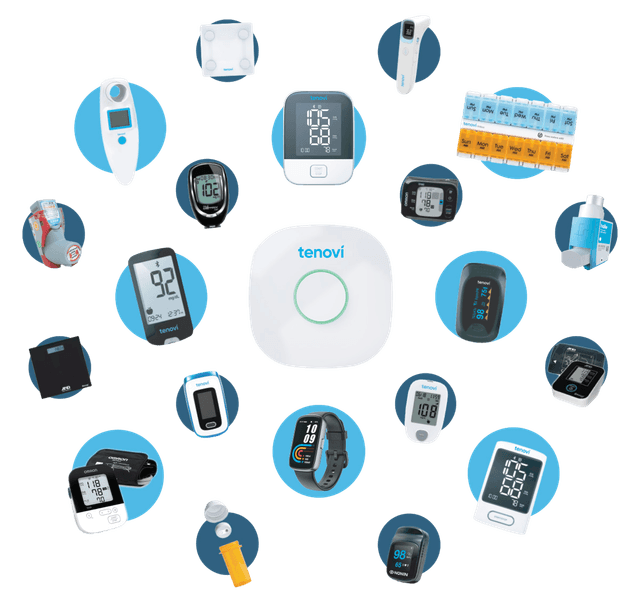
Recommended devices.
Weight Scale
Blood Pressure Monitor
Glucose Meter
Clinical Protocol
Alert thresholds.
Implementation
Getting started.
Patient identification and enrollment
Week 1–2Query EHR for patients with BMI ≥30 and at least one comorbid chronic condition. Prioritize patients with BMI ≥35, metabolic syndrome, prediabetes, or recent weight-related hospitalizations. Screen for contraindications to self-monitoring (active eating disorders, severe body dysmorphia).
Device provisioning and baseline assessment
Week 2–3Ship cellular-enabled weight scales and blood pressure monitors. For patients with prediabetes or diabetes risk, include glucose meters. Record baseline weight, BP, fasting glucose, and waist circumference. Conduct onboarding call to set expectations for daily monitoring cadence.
Goal setting and care plan development
Week 3–4Establish individualized weight loss targets (typically 5-10% of body weight over 6 months). Set BP and glucose thresholds. Configure alert parameters in the RPM platform. For RTM patients, define therapy milestones for nutrition and exercise programs. Document care plan in EHR.
Multidisciplinary team workflow
Week 4–6Coordinate care coordinators, dietitians, and behavioral health resources. Train team on obesity-specific triage — differentiating fluid shifts from fat mass changes, recognizing emotional eating patterns in weight data, and escalating metabolic red flags. Integrate RTM adherence data with RPM physiologic feeds.
Ongoing monitoring and program refinement
OngoingReview weight trajectories, BP trends, and glucose patterns weekly during the active loss phase and biweekly during maintenance. Adjust caloric targets and exercise recommendations based on plateau analysis. Track RTM therapy adherence scores. Audit billing capture across RPM, CCM, and RTM codes quarterly.
Direct Answer
How does RPM work for obesity?
Remote patient monitoring for obesity uses daily weight tracking, blood pressure monitoring for metabolic syndrome, and glucose screening for prediabetes to support sustained weight loss and prevent cardiometabolic complications. Obese patients qualify for RPM, CCM, and RTM Medicare programs, generating $160–350+ per patient monthly. RPM-monitored patients achieve 58% rates of clinically significant weight loss (≥5% body weight) and 34% reduction in new diabetes diagnoses through earlier intervention and continuous behavioral accountability.
FAQ
Common questions.
Does obesity alone qualify for remote patient monitoring under Medicare?
Medicare RPM requires an established chronic condition with a clinical need for ongoing physiologic monitoring. While obesity (ICD-10 E66.x) is a recognized chronic condition, it typically qualifies for RPM when accompanied by at least one comorbidity requiring device-based monitoring — such as hypertension (blood pressure), prediabetes or diabetes (glucose), or heart failure (weight for fluid management). Given that over 80% of obese patients have at least one of these comorbidities, the vast majority of obese patients meet RPM eligibility criteria.
How does daily weight monitoring improve weight loss outcomes?
Daily self-weighing is one of the strongest predictors of successful weight loss and maintenance. Research consistently shows that daily weighers lose 2-3 times more weight than those who weigh weekly or less frequently. Daily monitoring catches small upward trends within days rather than months, reduces the emotional impact of normal daily fluctuations by revealing the true trend line, and creates a behavioral accountability mechanism that reinforces dietary adherence. RPM adds provider oversight to this data, enabling timely interventions when weight trajectories deviate from goals.
What is Remote Therapeutic Monitoring and how does it apply to obesity?
RTM (CPT 98975-98981) covers the monitoring of therapy adherence and response to treatment — distinct from RPM's focus on physiologic data. For obesity, RTM applies to patients in structured nutrition therapy, medical weight management, or exercise programs where adherence tracking is clinically indicated. RTM captures whether patients are following their prescribed meal plans, completing exercise sessions, and attending counseling appointments. It can be billed concurrently with RPM, allowing practices to monitor both the physiologic outcomes (weight, BP, glucose) and the therapeutic behaviors driving those outcomes.
How does remote monitoring help identify and manage metabolic syndrome?
Metabolic syndrome requires three of five criteria: elevated waist circumference, elevated triglycerides, low HDL cholesterol, elevated blood pressure, and elevated fasting glucose. RPM directly monitors two of these five criteria — blood pressure and fasting glucose — on a daily basis, enabling real-time detection of metabolic deterioration. Weight tracking serves as a proxy for abdominal adiposity trends. When RPM data shows worsening BP or glucose alongside weight gain, it triggers provider review for the remaining metabolic markers (lipids via lab work), enabling earlier intervention than periodic office visits would allow.
Can obese patients qualify for both RPM and CCM simultaneously?
Yes, and most obese patients do qualify for concurrent RPM and CCM enrollment. RPM covers the device-based physiologic monitoring (daily weight, blood pressure, glucose readings), while CCM covers the care coordination time required to manage multiple chronic conditions. Since over 80% of obese patients have at least two chronic conditions (obesity plus hypertension, diabetes, hyperlipidemia, sleep apnea, or osteoarthritis), they meet CCM's requirement for two or more qualifying conditions. Combined monthly reimbursement for RPM plus CCM typically ranges from $222 to $350 per patient.
What weight loss targets should be set for obese patients in RPM programs?
Evidence-based guidelines recommend an initial target of 5-10% total body weight loss over 6 months, which translates to approximately 1-2 lbs per week for most patients. This modest target produces clinically meaningful improvements: 5% loss significantly improves blood pressure, glycemic control, and triglycerides. RPM enables more granular goal-setting — weekly targets can be adjusted based on real-time data, and plateaus can be identified and addressed within days. For post-bariatric patients, targets are higher (typically 20-30% excess weight loss in the first year), and RPM monitoring is even more critical for detecting nutritional deficiencies and rapid weight regain.
More Conditions
Also monitor.
Heart Failure
Remote Patient Monitoring for Heart Failure
Type 2 Diabetes
Remote Patient Monitoring for Type 2 Diabetes
Hypertension
Remote Patient Monitoring for Hypertension
COPD
Remote Patient Monitoring for COPD
Chronic Kidney Disease
Remote Patient Monitoring for Chronic Kidney Disease (CKD)
Atrial Fibrillation
Remote Patient Monitoring for Atrial Fibrillation (AFib)
Depression & Anxiety
Remote Patient Monitoring for Depression & Anxiety