Condition-Specific RPM
Remote Monitoring for Depression & Anxiety.
Depression and anxiety are the most prevalent mental health conditions in the United States, collectively affecting over 60 million adults. Major depressive disorder affects approximately 21 million adults (8.4% of the population), while generalized anxiety disorder affects 6.8 million adults (3.1%). Comorbid depression and anxiety occur in over 60% of cases. Among Medicare beneficiaries, prevalence is even higher — approximately 25% of adults over 65 have clinically significant depression, and mental health conditions account for over $238 billion in annual healthcare spending.
Clinical Overview
Why remote monitoring matters.
Clinical Significance
Depression and anxiety are not solely psychological conditions — they produce measurable physiologic disruptions including dysregulated cortisol, elevated blood pressure, disrupted sleep architecture, appetite and weight changes, and impaired immune function. Patients with comorbid depression have 2-3x higher mortality from cardiovascular disease, diabetes, and other chronic conditions. Despite effective treatments, fewer than 50% of depressed patients achieve remission with initial therapy, and treatment adherence drops below 30% by six months without structured follow-up.
Monitoring Rationale
Remote monitoring addresses the two biggest gaps in mental health care: physiologic blind spots and therapy adherence. Depression and anxiety manifest through measurable physiologic changes — disrupted sleep patterns, blood pressure variability, and weight fluctuation — that devices can track continuously between sessions. Contactless monitors reveal sleep onset latency, fragmentation, and duration changes that correlate directly with symptom severity. RTM captures therapy session attendance and homework completion, enabling providers to intervene before patients disengage entirely. This integrated approach bridges the gap between infrequent provider visits and the daily reality of living with these conditions.
At a Glance
Monitoring Devices
Recommended devices.
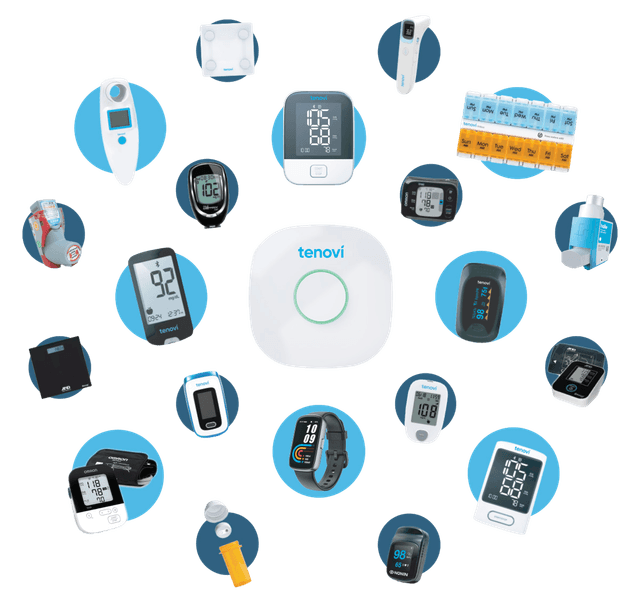
Blood Pressure Monitor
Contactless Monitor
Weight Scale
Clinical Protocol
Alert thresholds.
Implementation
Getting started.
Patient screening and enrollment
Week 1–2Identify patients with ICD-10 codes F32.x, F33.x, F41.x through EHR query. Prioritize patients with PHQ-9 ≥10 or GAD-7 ≥10, those with comorbid chronic conditions, patients with history of treatment non-adherence, and those recently discharged from psychiatric hospitalization. Screen for technology comfort level and caregiver support availability.
Device provisioning and behavioral health assessment
Week 2–3Ship contactless sleep monitors and blood pressure monitors to all enrollees. Add weight scales for patients on psychotropic medications with metabolic risk. Conduct initial PHQ-9, GAD-7, and functional assessment. Establish baseline sleep patterns over a 1-week monitoring period before setting individualized thresholds.
Care plan and threshold configuration
Week 3–4Collaborate with prescribing provider and behavioral health care manager to set individualized alert thresholds for sleep duration, BP, weight, and screening score triggers. Define therapy adherence expectations for RTM tracking. Document safety plan and crisis escalation protocol for high-risk patients.
Behavioral health workflow integration
Week 4–6Train care coordinators on psychiatric triage — distinguishing medication side effects from symptom worsening, recognizing crisis indicators in physiologic data, and coordinating between primary care, psychiatry, and therapy providers. Integrate periodic PHQ-9/GAD-7 screenings into the RPM check-in workflow.
Measurement-based care and program optimization
OngoingImplement measurement-based treatment protocol using PHQ-9 and GAD-7 scores at regular intervals (every 2-4 weeks) alongside physiologic data. Track therapy adherence via RTM. Adjust medications based on combined symptom scores and sleep/BP data. Review program outcomes and billing capture monthly.
Direct Answer
How does RPM work for depression & anxiety?
Remote monitoring for depression and anxiety combines physiologic tracking (sleep patterns via contactless monitors, blood pressure, weight changes from medication side effects) with therapy adherence monitoring and structured symptom screening (PHQ-9, GAD-7). Patients qualify for BHI, CCM, RTM, and RPM Medicare programs, generating $50–600+ per patient monthly depending on comorbidities. Integrated monitoring programs achieve 42% reduction in depression scores, 61% improvement in therapy completion rates, and 44% depression remission rates compared to 26% with usual care.
FAQ
Common questions.
How does remote monitoring help with depression and anxiety when these are mental health conditions?
Depression and anxiety produce measurable physiologic changes — disrupted sleep architecture, blood pressure variability, appetite and weight fluctuations, and autonomic nervous system dysregulation. Remote monitoring devices capture these objective biomarkers continuously, providing data that patient self-report alone cannot. A contactless sleep monitor, for example, can detect worsening insomnia or hypersomnia days before a patient reports feeling worse. This physiologic data, combined with periodic PHQ-9 and GAD-7 screening scores, gives providers a more complete picture than intermittent office visits and enables earlier intervention when conditions deteriorate.
What is Behavioral Health Integration and how does it differ from traditional therapy?
Behavioral Health Integration (BHI) is a Medicare program (CPT 99484, 99492-99494) that funds systematic, integrated behavioral health care within primary care or specialty settings — rather than relying solely on separate therapy referrals. Under BHI, a behavioral health care manager coordinates treatment, conducts regular screenings, monitors treatment response, and facilitates communication between the prescribing provider and any therapists. The key difference from traditional therapy is the measurement-based, team-based approach: structured screening tools (PHQ-9, GAD-7) are administered at regular intervals, and treatment adjustments are driven by objective data rather than waiting for the next scheduled therapy appointment.
Why is sleep monitoring important for depression and anxiety patients?
Sleep disruption is both a core symptom of and a driver of depression and anxiety. Insomnia is present in approximately 75% of depressed patients, and sleep disturbance independently predicts treatment non-response and relapse. Contactless sleep monitors objectively capture sleep onset latency (time to fall asleep), total sleep time, nocturnal awakenings, and early morning waking — all without requiring patients to wear a device or manually log sleep. This objective data reveals patterns that self-report misses: patients with depression often overestimate sleep duration, while anxious patients underestimate it. Changes in sleep patterns are often the earliest detectable sign of relapse.
Can depression and anxiety patients qualify for multiple Medicare monitoring programs?
Yes. Patients with depression and anxiety commonly qualify for three or four concurrent programs. BHI (CPT 99484, 99492-99494) covers the behavioral health care management component. CCM (CPT 99490-99439) applies when patients have additional chronic conditions such as hypertension, diabetes, or chronic pain — which is the case for over 60% of depressed patients. RTM (CPT 98975-98981) covers therapy adherence monitoring. RPM (CPT 99453-99458) applies when comorbid physiologic conditions require device-based monitoring. Combined reimbursement across all qualifying programs can reach $390–600 per patient monthly.
How does remote monitoring improve medication management for psychiatric patients?
Psychotropic medications produce measurable physiologic effects that remote monitoring detects early. Blood pressure monitors catch SNRI-induced hypertension (venlafaxine, duloxetine) and orthostatic hypotension from tricyclic antidepressants. Weight scales detect metabolic side effects from atypical antipsychotics, mirtazapine, and certain SSRIs — often within the first 2-4 weeks when intervention is most effective. Sleep monitors reveal whether sedating medications are improving or worsening sleep quality. This objective data enables dose adjustments within days rather than waiting weeks for the next appointment, reducing both side effect burden and treatment dropout.
What happens when remote monitoring detects signs of a mental health crisis?
The RPM program includes a documented crisis escalation protocol. If PHQ-9 screening reveals severe depression (score >20) or endorsement of suicidal ideation (item 9), the behavioral health care manager is notified immediately for risk assessment using validated tools like the C-SSRS. If active suicidal ideation is confirmed, the crisis protocol activates: the patient's safety plan is reviewed, emergency contacts are engaged, and the patient is connected to crisis resources (988 Suicide and Crisis Lifeline) or emergency services as appropriate. Physiologic data from contactless monitors can also serve as early warning — abrupt sleep pattern changes, sustained elevated heart rate, and missed medication adherence signals all trigger proactive outreach before a crisis develops.
More Conditions
Also monitor.
Heart Failure
Remote Patient Monitoring for Heart Failure
Type 2 Diabetes
Remote Patient Monitoring for Type 2 Diabetes
Hypertension
Remote Patient Monitoring for Hypertension
COPD
Remote Patient Monitoring for COPD
Chronic Kidney Disease
Remote Patient Monitoring for Chronic Kidney Disease (CKD)
Atrial Fibrillation
Remote Patient Monitoring for Atrial Fibrillation (AFib)
Obesity
Remote Patient Monitoring for Obesity Management