Comparison
RPM vs RTM.
RPM and RTM are both remote monitoring programs reimbursed by Medicare, but they serve different patient populations and use different CPT code families. Understanding the distinction is critical for proper billing and program design.
Side by Side
Feature comparison.
Analysis
Key differences.
Physiologic vs non-physiologic data
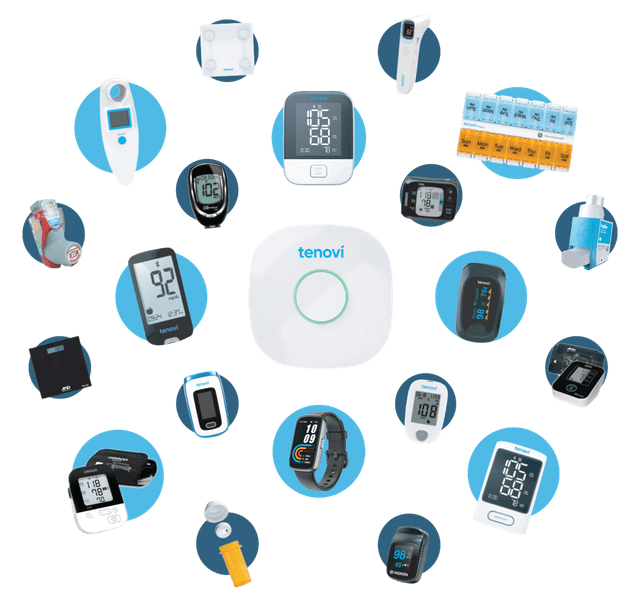
RPM collects physiologic data — vital signs measured by medical devices such as blood pressure cuffs, pulse oximeters, and glucose monitors. RTM collects non-physiologic data like therapy adherence, pain levels, respiratory function, and cognitive status through surveys, apps, and digital tools.
Different CPT code families
RPM uses the 994xx series — 99453, 99454, 99445 (new 2026), 99457, 99470 (new 2026), and 99458. In 2026, CMS added 99445 (device supply for 2–15 days) and 99470 (10-minute treatment management) to close billing gaps. RTM uses the 989xx series (98975, 98976, 98977, 98980, 98981) created in 2022 specifically for therapeutic monitoring.
Condition eligibility differs significantly
RPM targets chronic conditions with measurable vital signs — hypertension, diabetes, heart failure, COPD. RTM targets conditions where therapy adherence and functional outcomes matter — musculoskeletal rehab, respiratory therapy, cognitive behavioral therapy, and substance use recovery.
RTM has a broader data scope
RTM can capture subjective patient-reported outcomes (pain scales, mood assessments, adherence surveys) alongside objective measures. RPM is limited to objective physiologic readings from medical devices.
Guidance
When to use each.
Use RPM when
The patient needs ongoing physiologic monitoring with FDA-cleared devices — blood pressure readings for hypertension, weight tracking for heart failure, glucose monitoring for diabetes, or pulse oximetry for COPD.
Use RTM when
The patient is undergoing respiratory therapy, musculoskeletal rehab, cognitive behavioral treatment, or substance use disorder management and would benefit from remote tracking of therapy adherence, pain levels, and functional outcomes.
Use both for complex patients
Some patients benefit from both physiologic monitoring and therapeutic tracking. For example, a COPD patient could use RPM for pulse oximetry and RTM for respiratory therapy adherence — though they cannot be billed for the same condition in the same month.
FAQ
Common questions.
Can you bill both RPM and RTM for the same patient?
Not for the same condition. CMS does not allow RPM and RTM to be billed simultaneously for the same condition in the same month. However, if a patient has qualifying conditions for both programs independently, concurrent billing may be possible for different conditions.
What is the biggest difference between RPM and RTM?
The data type. RPM collects physiologic data from medical devices (blood pressure, glucose, weight, SpO2). RTM collects non-physiologic data including therapy adherence, pain levels, functional status, and patient-reported outcomes.
Is RTM a newer program than RPM?
Yes. RTM CPT codes (989xx series) were established by CMS in January 2022. RPM codes (994xx series) have been in use since 2018–2019 and are more widely adopted. RTM adoption is growing as more practices recognize the opportunity.
Does RTM require an FDA-cleared device?
Not always. Unlike RPM, which requires an FDA-cleared medical device, RTM can use software-based tools, mobile apps, and digital platforms to collect non-physiologic data. This lowers the barrier to entry for many practices.
More Comparisons
Also compare.
CCM vs RPM
Compare Chronic Care Management (CCM) and Remote Patient Monitoring (RPM): billing codes, patient eligibility, reimbursement, and when to use each.
CGM vs Glucose Meter
Compare continuous glucose monitors (CGMs) and traditional glucose meters for remote patient monitoring: data frequency, cost, patient experience, and clinical use cases.
Facility EHR vs Practice EHR
Compare facility EHRs (PointClickCare, ALIS) with practice EHRs (athenahealth, Epic) for RPM integration: workflows, data flow, and implementation considerations.
BHI vs CCM
Compare Behavioral Health Integration (BHI) and Chronic Care Management (CCM): eligibility, billing codes, clinical workflows, and when to combine both programs.
RPM + CCM
Learn how to combine RPM and CCM for the same patient to maximize revenue and clinical outcomes. Requirements, billing rules, and implementation best practices.
RPM + BHI
RPM + BHI combined stacking for patients with chronic physical and behavioral health conditions. Billing rules, revenue potential, and compliance guidance.
CCM + BHI
CCM + BHI combined stacking for patients with chronic physical and behavioral health conditions. Billing requirements and revenue potential.
RPM + RTM
RPM + RTM combined stacking for patients with physiologic and therapeutic monitoring needs. Billing restrictions, revenue potential, and compliance.
RPM + PCM
Learn how to combine RPM and PCM for patients with a single complex chronic condition. Billing rules, revenue stacking, and key difference from CCM.
CCM + RTM
CCM + RTM combined stacking for the same patient. Billing rules, revenue estimates, eligible patient profiles, and compliance requirements.
CCM + PCM
CCM and PCM cannot be billed for the same patient in the same month. Why they are mutually exclusive, how to choose, and when to switch.
BHI + RTM
BHI + RTM combined stacking for the same patient. Billing rules, revenue estimates, and implementation guidance for behavioral and therapeutic care.
PCM + RTM
Learn how to combine Principal Care Management (PCM) and Remote Therapeutic Monitoring (RTM) for the same patient. Billing rules, eligible conditions, revenue estimates, and implementation best practices.
Cellular vs Bluetooth
Compare cellular and Bluetooth blood pressure monitors for remote patient monitoring: data reliability, patient experience, connectivity, and clinical outcomes.
Contactless (Radar) vs Wearable Devices
Compare radar-based contactless monitoring with traditional wearable RPM devices: patient experience, data types, compliance, and ideal care settings.