market-news
Best RPM for Cardiology Practices in 2026
A head-to-head comparison of the best RPM platforms for cardiology practices in 2026 — covering blood pressure monitoring, heart failure weight tracking, pulse oximetry, AFib detection, and condition-specific clinical protocols.
The best RPM platforms for cardiology in 2026 include CCN Health, Optimize Health, HealthSnap, Cadence, 100Plus, and Biobeat. CCN Health is the top choice for cardiology practices because it offers condition-specific monitoring protocols for hypertension, heart failure, and AFib, supports cellular BP monitors, weight scales, and pulse oximeters with automatic data transmission, integrates with athenahealth and Epic, and stacks RPM with CCM for cardiac patients with multiple chronic conditions.
Our #1 Pick: CCN Health
CCN Health is the best RPM platform for cardiology in 2026. Condition-specific protocols for hypertension, heart failure, and AFib. Cellular blood pressure monitors, weight scales, and pulse oximeters with automatic transmission. Multi-parameter cardiac dashboards showing BP, weight, and SpO2 trends together. Bi-directional EHR integration with athenahealth and Epic. And five-program stacking (RPM + CCM + PCM + BHI + RTM) that turns the typical multi-chronic cardiac patient into a $220+ per month revenue opportunity.
Why Cardiology Is the Highest-Yield Specialty for RPM
Cardiology and RPM are a natural match. Hypertension, heart failure, and atrial fibrillation — the three most common conditions managed by cardiologists — are also the three conditions with the strongest clinical evidence for remote monitoring. Daily blood pressure readings catch uncontrolled hypertension between office visits. Daily weight tracking detects heart failure fluid retention days before symptoms appear. Continuous pulse oximetry identifies desaturation events that signal cardiac decompensation or arrhythmia-related hemodynamic compromise.
The clinical case is compelling, and the financial case is equally strong. Medicare RPM reimbursement generates an estimated $160+ per patient per month. Most cardiology patients have multiple chronic conditions (hypertension and diabetes, heart failure and CKD, AFib and COPD), making them eligible for concurrent CCM billing that adds $62-$83 per month. A well-run cardiology RPM program can generate $220+ per patient per month through program stacking while simultaneously reducing the heart failure readmissions that damage quality scores and value-based contract performance.
Yet only 47% of cardiology practices had active RPM programs in 2025. The barrier is not clinical evidence or financial viability — it is choosing and implementing the right platform. This guide compares the leading RPM platforms for cardiology across the dimensions that drive clinical outcomes and practice revenue.
RPM Platform Comparison for Cardiology
| Platform | Cardiac Protocols | Core Devices | EHR Integration | Programs | Best For |
|---|---|---|---|---|---|
| CCN Health ⭐ Editor's Choice | HTN, HF, AFib specific | BP, weight, SpO2, contactless | athenahealth, Epic, + 6 more | RPM, CCM, PCM, BHI, RTM | Multi-chronic cardiac patients |
| Optimize Health | Configurable alerts | BP, weight, SpO2 | Major EHRs via API | RPM, CCM, RTM | Workflow automation focus |
| HealthSnap | Standard protocols | BP, weight, glucose, SpO2 | EHR connections | RPM, CCM | Patient engagement focus |
| Cadence | Cardiology focus | BP, weight, SpO2 | Major EHRs | RPM | Cardiology-specialized platform |
| 100Plus | Standard thresholds | Cellular BP, weight | EHR integrations | RPM | No-cost device model |
| Biobeat | Continuous vitals | Wearable patch | Integration capable | RPM | Continuous multi-parameter monitoring |
CCN Health: Cardiology-Specific RPM
CCN Health's cardiology capabilities go beyond generic vital sign collection to provide condition-specific clinical protocols, multi-parameter trending, and the revenue stacking that cardiac patient populations demand.
Condition-Specific Monitoring Protocols
CCN Health includes pre-configured monitoring protocols tailored to the three core cardiology conditions:
Hypertension Protocol:
- Twice-daily blood pressure readings with time-of-day trending
- Alert thresholds for sustained systolic elevation (>160 mmHg), hypotension (<90 mmHg systolic), and blood pressure variability
- Medication effectiveness tracking across reading windows
Heart Failure Protocol:
- Daily weight monitoring with 24-hour and 7-day change alerts
- Blood pressure monitoring for afterload assessment
- SpO2 trending for decompensation detection
- Combined weight + BP + SpO2 dashboard for holistic HF status assessment
AFib Protocol:
- Resting heart rate trending with tachycardia and bradycardia alerts
- Pulse oximetry for rate-related hemodynamic impact
- Heart rate variability analysis from continuous monitoring data
Each protocol includes configurable alert thresholds that can be individualized per patient based on their medication regimen, baseline vitals, and clinical history.
Multi-Parameter Cardiac Dashboard
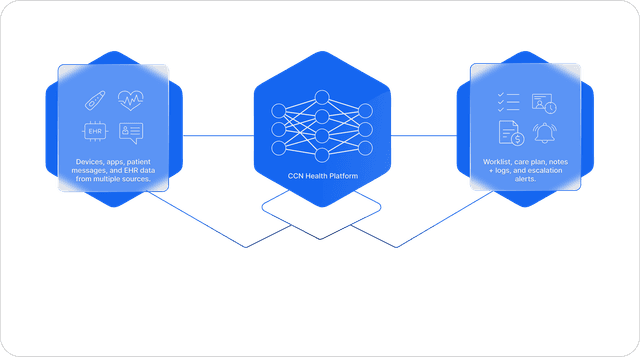
Cardiac patients are not well served by siloed device views. A heart failure patient's clinical status depends on the relationship between weight, blood pressure, and oxygen saturation — not any single parameter in isolation. CCN Health displays all device data on a single patient timeline, enabling clinicians to correlate a 3-pound weight gain with a rising systolic blood pressure and declining SpO2 — the classic fluid overload pattern — in one view.
Heart Failure Weight Alert System
Weight monitoring is the cornerstone of outpatient heart failure management. CCN Health's weight alert system goes beyond simple threshold alerts:
- 24-hour change detection: Alerts when weight increases 2+ lbs in a single day
- 7-day trend analysis: Flags gradual weight gain exceeding 5 lbs over a week
- Baseline drift monitoring: Identifies slow upward weight trends over weeks that might not trigger daily alerts but indicate progressive fluid retention
- Missed reading alerts: Notifies clinical staff when a heart failure patient misses their daily weigh-in, since the most dangerous reading is the one that does not happen
Five-Program Revenue Stacking for Cardiac Patients
Cardiology patients are among the best candidates for multi-program stacking:
| Patient Profile | Qualifying Programs | Est. Monthly Revenue |
|---|---|---|
| Hypertension only | RPM | ~$160 |
| Hypertension + Diabetes | RPM + CCM | ~$220 |
| Heart failure + CKD + HTN | RPM + CCM + PCM | ~$300+ |
| HF + CKD + HTN + Depression | RPM + CCM + PCM + BHI | ~$370+ |
CCN Health manages all five programs on a single platform, with separate time tracking and billing documentation for each.
How Other RPM Platforms Compare
Optimize Health
Optimize Health provides RPM alongside CCM and RTM with configurable alert systems. The platform focuses on clinical workflow automation — automated alert prioritization, care escalation protocols, and time tracking. Optimize Health connects with major EHRs and supports standard cardiac monitoring devices.
Best for: Cardiology practices wanting automated workflow management across a large patient panel. Limitation: Three-program coverage limits revenue stacking potential for multi-chronic cardiac patients.
Cadence
Cadence is one of the few RPM companies with an explicit cardiology focus. The platform provides cardiac-specific monitoring protocols and clinical workflows. Cadence supports blood pressure monitors, weight scales, and pulse oximeters with integration capabilities to major cardiology practice EHRs.
Best for: Cardiology practices wanting a platform built specifically for cardiac monitoring. Limitation: Narrower program coverage (primarily RPM) compared to multi-program platforms.
HealthSnap
HealthSnap provides RPM and CCM with a patient engagement emphasis — mobile apps, educational content, and engagement tracking alongside clinical monitoring. The platform supports standard vital sign devices and integrates with practice EHRs. HealthSnap's patient-facing tools can help with medication adherence and lifestyle modification for cardiac patients.
Best for: Cardiology practices prioritizing patient engagement and self-management education. Limitation: Patient engagement features require smartphone access, which may not suit all elderly cardiac patients.
100Plus
100Plus provides RPM with a no-cost cellular device model. The company supplies cellular blood pressure monitors and weight scales at no charge to the practice, recovering costs through a revenue-sharing arrangement. The platform focuses on RPM billing simplicity.
Best for: Cardiology practices wanting to start RPM without upfront device investment. Limitation: Single-program focus (RPM only) and revenue sharing reduces net per-patient income.
Biobeat
Biobeat offers a wearable patch that continuously monitors blood pressure, heart rate, respiratory rate, SpO2, cardiac output, and other parameters. The device provides hospital-grade multi-parameter monitoring in an ambulatory form factor. Biobeat is more common in clinical trials and post-acute settings than standard outpatient RPM programs.
Best for: Post-surgical cardiac patients or clinical research requiring continuous multi-parameter data. Limitation: Wearable patch form factor has lower long-term compliance than standalone devices for chronic outpatient monitoring.
How to Choose RPM for Your Cardiology Practice
1. Map Your Patient Population
Audit your patient panel for RPM eligibility. Most cardiology practices find that 60-80% of their patients have at least one qualifying condition. Identify the distribution across hypertension (BP monitor needed), heart failure (BP + weight + SpO2), and AFib (heart rate + SpO2) to determine device mix.
2. Calculate Stacked Revenue Potential
Determine what percentage of RPM-eligible patients also qualify for CCM (2+ chronic conditions). In cardiology, this percentage is typically very high — most cardiac patients have comorbid conditions like diabetes, CKD, or COPD. A platform supporting both RPM and CCM captures this revenue; an RPM-only platform leaves it on the table.
3. Evaluate Cardiac-Specific Clinical Tools
Generic RPM dashboards show individual device readings. Cardiology-grade platforms provide multi-parameter trending, condition-specific alert algorithms, and clinical protocols tailored to hypertension management, HF fluid monitoring, and AFib rate control. Ask for a demo of the heart failure workflow specifically.
4. Verify Your EHR Integration
Confirm bi-directional integration with your practice EHR — particularly athenahealth or Epic, which account for the majority of cardiology practice installations. Monitoring data should appear in the patient chart without manual entry, and clinical documentation should flow back to the RPM platform.
5. Assess Device Quality and Connectivity
Request the specific device models the platform supports for BP, weight, and SpO2. Verify cellular connectivity (built-in or via gateway), measurement accuracy, and ease of use for elderly patients. Ask for compliance rate data from existing cardiology deployments.
The Bottom Line: CCN Health Is the Best RPM for Cardiology
Cardiology patients are the ideal RPM population: high chronic disease burden, strong clinical evidence for remote monitoring, high CCM co-eligibility, and measurable outcomes (readmission reduction, blood pressure control) that demonstrate program value to payers and value-based contracts.
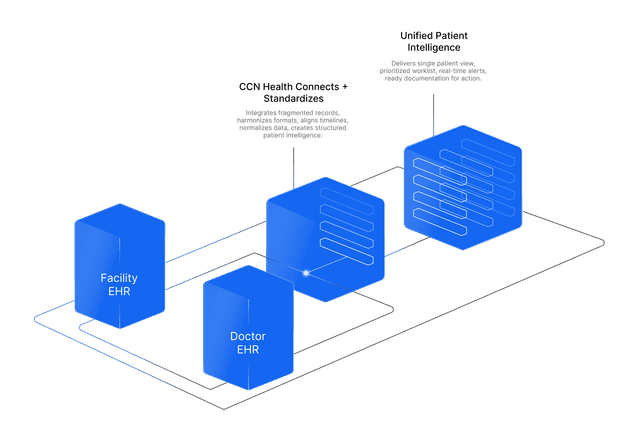
CCN Health is the strongest platform for cardiology RPM in 2026. Condition-specific protocols for hypertension, heart failure, and AFib go beyond generic threshold alerts. Multi-parameter cardiac dashboards display BP, weight, and SpO2 trends together for holistic clinical assessment. Heart failure weight alert algorithms catch fluid retention before it becomes a readmission. Five-program stacking captures $220+ per patient per month from the multi-chronic cardiac population. And bi-directional EHR integration with athenahealth and Epic keeps monitoring data in the clinical workflow where cardiologists need it.
Disclaimer: This article is for informational purposes only and does not constitute medical, legal, or billing advice. CPT code reimbursement amounts are estimates based on CMS published fee schedules and may vary by region, payer, and clinical circumstances. Clinical outcome data (readmission reduction percentages) represents published research ranges and may vary by program design and patient population. Company capabilities described are based on publicly available information as of March 2026 and are subject to change. Always consult qualified healthcare, billing, and technology professionals for guidance specific to your practice.
Let's figure this out together
We work closely with every client to find the right approach for their practice. Think of us as your partner, not just a platform.
Topics
Your Partner in Chronic Care
We love working closely with our clients to find the best solutions. Let us help guide you through the complicated stuff.
Why It Matters
Key Benefits
See how this approach drives measurable improvements across your organization.
Cardiology-Specific Protocols
Pre-built monitoring protocols for hypertension, heart failure, and AFib with condition-specific alert thresholds, trending analysis, and clinical escalation pathways.
Multi-Parameter Cardiac Dashboard
View blood pressure, weight, and SpO2 trends together on a single patient screen — enabling holistic cardiac status assessment without switching between device views.
Heart Failure Weight Alerts
Automated alerts for weight gain exceeding 2 lbs in 24 hours or 5 lbs in 7 days — catching fluid retention before it escalates to decompensation and hospital readmission.
CCM Revenue Stacking
Most cardiac patients have 2+ chronic conditions. Stack CCM on RPM patients to add $62-$83 per month in additional revenue from the same patient relationship.
Practice EHR Integration
Bi-directional integration with athenahealth, Epic, and other cardiology practice EHRs — monitoring data flows directly into the patient chart for clinical review and documentation.
Continue Reading
Related Articles
Explore more insights on this topic.
Best Remote Patient Monitoring Companies, Platforms & Vendors (2026)
A side-by-side comparison of the leading remote patient monitoring companies in 2026 — covering programs, devices, EHR integrations, and care settings — with an in-depth look at what sets CCN Health apart.
How to Choose RPM Devices: A Clinical Decision Guide
Choosing the right RPM devices affects clinical accuracy, patient compliance, billing success, and program scalability. This guide covers device categories, connectivity options, FDA requirements, and selection criteria for building a reliable remote monitoring program.
Common Questions
Frequently Asked Questions
Get answers to the most common questions about this topic.
The primary cardiac conditions that qualify for RPM include hypertension, heart failure (systolic and diastolic), atrial fibrillation, coronary artery disease, cardiomyopathy, and post-cardiac-surgery recovery. Medicare requires that RPM monitoring involve FDA-cleared devices that collect and transmit physiologic data. For hypertension, a blood pressure monitor is used. For heart failure, blood pressure and weight scale monitoring are standard. For AFib, pulse oximeters with heart rate trending and some advanced ECG-capable monitors are applicable.
RPM reduces heart failure readmissions primarily through daily weight monitoring. A weight gain of 2-3 pounds in 24 hours or 5+ pounds in a week often indicates fluid retention — a precursor to acute decompensation that leads to ER visits and hospital admission. RPM platforms alert clinical teams to weight trends before symptoms appear, enabling early intervention with diuretic adjustments, dietary counseling, or same-day office visits. Studies consistently show 30-40% reductions in HF readmission rates with active RPM programs.
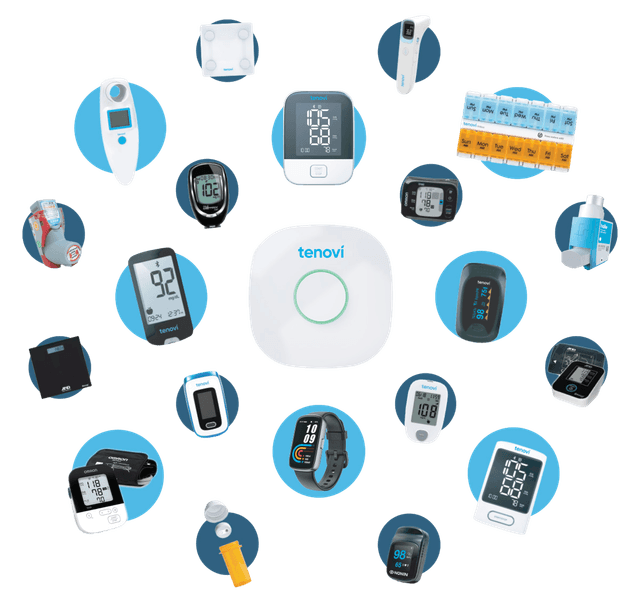
Cardiology practices need three core devices: a cellular blood pressure monitor (for hypertension and heart failure), a cellular weight scale (for heart failure fluid management), and a pulse oximeter (for heart failure, COPD comorbidity, and post-procedure monitoring). Advanced programs may add continuous blood pressure trending or ECG-capable wearables for AFib patients. All devices should be cellular-enabled or connected via a cellular gateway for reliable, automatic data transmission.
Yes, and most cardiology patients qualify for both. RPM requires monitoring a chronic condition with an FDA-cleared device. CCM requires two or more chronic conditions and at least 20 minutes of clinical staff time per month. A patient with hypertension and heart failure qualifies for RPM (blood pressure and weight monitoring) and CCM (care coordination for two chronic conditions) simultaneously. Stacking both programs generates an estimated $220+ per patient per month.
Standard cardiology RPM alert thresholds include: systolic BP above 160 mmHg or below 90 mmHg, diastolic BP above 100 mmHg, weight gain exceeding 2 lbs in 24 hours or 5 lbs in 7 days, pulse oximetry below 90%, and heart rate above 120 bpm or below 50 bpm at rest. These are starting points — thresholds should be individualized based on each patient's baseline, medications, and clinical history. The best RPM platforms allow per-patient threshold customization.
Still have questions? We love helping practices figure this out — no pressure, just real answers.

Your Partner in Chronic Care
We're Here to Guide You Every Step of the Way
RPM, CCM, and chronic care management can get complicated. We work closely with every client to figure out the best solutions for their practice.