Clinical
Best RPM & CGM Platforms for Diabetes Management in 2026
A head-to-head comparison of the best RPM platforms for diabetes management in 2026 — covering CGM integration, cellular glucose monitors, A1C trending, hypoglycemia alerts, and multi-program stacking for diabetic patients.
The best RPM platforms for diabetes management in 2026 include CCN Health, Glooko, Optimize Health, HealthSnap, 100Plus, and Cadence. CCN Health is the top choice for diabetes RPM because it supports both traditional cellular glucose monitors and CGM data integration, provides diabetes-specific alert thresholds for hypo- and hyperglycemia, tracks glucose trends alongside blood pressure and weight for complete metabolic monitoring, and stacks five Medicare programs for diabetic patients who often have multiple chronic conditions.
Our #1 Pick: CCN Health
CCN Health is the best RPM platform for diabetes management in 2026. Support for both traditional cellular glucose monitors and CGM data integration gives clinicians a complete glycemic picture. Diabetes-specific alert thresholds for hypoglycemia and hyperglycemia with clinical escalation pathways. Multi-parameter metabolic dashboards showing glucose, blood pressure, and weight trends together. Bi-directional EHR integration with athenahealth and Epic. And five-program stacking (RPM + CCM + PCM + BHI + RTM) that captures $220+ per month from diabetic patients who almost always have multiple qualifying chronic conditions.
Why Diabetes Is the Largest Opportunity for RPM in 2026
Diabetes is the single largest addressable market for RPM in the United States. Over 37 million Americans have diabetes, and the vast majority have type 2 diabetes that requires ongoing monitoring and medication management. Unlike conditions monitored through a single device, diabetes demands multi-parameter oversight — glucose monitoring for glycemic control, blood pressure monitoring for the cardiovascular complications that affect 68% of diabetic patients over age 65, and weight tracking for the metabolic management that drives long-term outcomes.
The emergence of CGM technology has transformed diabetes RPM from periodic fingerstick readings into continuous glucose visibility. Platforms that integrate CGM data alongside traditional cellular glucose monitors can provide time-in-range analysis, glucose variability metrics, and overnight trend detection that quarterly A1C tests miss entirely. This continuous data stream gives clinicians the information density to make proactive medication adjustments rather than reactive corrections at office visits.
The financial case is equally compelling. The average diabetic patient has 2.4 comorbidities — most commonly hypertension, hyperlipidemia, obesity, chronic kidney disease, and depression. This makes the diabetic population one of the highest-yield groups for CCM stacking alongside RPM. A platform supporting both programs captures an estimated $220+ per patient per month, and patients with three or more conditions can qualify for additional Medicare programs that push monthly revenue above $300. Yet the majority of diabetes RPM programs today monitor glucose alone, leaving significant revenue and clinical value unrealized.
RPM Platform Comparison for Diabetes
| Platform | CGM Support | Glucose Devices | Metabolic Dashboard | Programs | Best For |
|---|---|---|---|---|---|
| CCN Health ⭐ Editor's Choice | CGM data integration | Cellular glucose + CGM | Glucose, BP, weight combined | RPM, CCM, PCM, BHI, RTM | Multi-chronic diabetic patients |
| Glooko | Deep CGM + pump integration | All major CGM brands | Glucose-focused analytics | RPM | Endocrinology CGM workflows |
| Optimize Health | Configurable data feeds | Cellular glucose monitors | Multi-vital dashboards | RPM, CCM, RTM | Workflow automation focus |
| HealthSnap | Standard integration | Cellular glucose, BP, weight | Multi-device views | RPM, CCM | Patient engagement focus |
| 100Plus | Limited | Cellular glucose monitors | Standard vital dashboards | RPM | No-cost device model |
| Cadence | Growing support | Cellular glucose, BP | Clinical dashboards | RPM | Clinical-first approach |
CCN Health: Complete Diabetes Monitoring Platform
CCN Health's diabetes capabilities extend beyond basic glucose collection to provide the multi-parameter metabolic monitoring, CGM data integration, and revenue stacking that diabetes patient populations demand.
CGM and Traditional Glucose Integration
CCN Health supports two parallel glucose monitoring pathways:
Traditional Cellular Glucose Monitors:
- Automatic transmission of fingerstick readings via cellular connectivity
- No smartphone required — readings transmit directly from the meter
- Ideal for elderly diabetic patients or those without reliable smartphone access
CGM Data Integration:
- Ingests continuous glucose data from connected CGM sensors
- Time-in-range analysis showing percentage of readings in target (70-180 mg/dL)
- Glucose variability scoring and overnight trend visualization
- Automated pattern detection for post-meal spikes, dawn phenomenon, and nocturnal hypoglycemia
Both data streams appear on the same patient dashboard, giving clinicians flexibility to monitor patients using whichever device type suits their clinical needs and daily routines.
Multi-Parameter Metabolic Dashboard
Monitoring glucose in isolation is insufficient for diabetic patients. Hypertension affects approximately 68% of diabetic adults, and obesity is present in over 85% of type 2 diabetes cases. CCN Health displays glucose, blood pressure, and weight trends on a single patient timeline — enabling clinicians to correlate a rising fasting glucose with a 5-pound weight gain and elevated morning blood pressures, recognizing the metabolic syndrome pattern that demands coordinated intervention rather than siloed treatment adjustments.
Diabetes-Specific Alert Thresholds
CCN Health's diabetes alert system provides layered clinical escalation:
- Hypoglycemia alert: Glucose below 70 mg/dL, triggering same-day clinical outreach
- Critical hypoglycemia: Glucose below 54 mg/dL, triggering immediate clinician notification
- Hyperglycemia alert: Glucose above 250 mg/dL for medication review
- Critical hyperglycemia: Glucose above 350 mg/dL, triggering urgent clinical escalation
- Fasting glucose trend: Consistently above 130 mg/dL over 7 days, flagging medication adjustment need
- Missed reading alerts: Notification when a diabetic patient misses monitoring for 48+ hours
All thresholds are customizable per patient based on A1C target, insulin regimen, hypoglycemia awareness status, and clinical history.
Revenue Stacking for Multi-Chronic Diabetic Patients
Diabetic patients are among the highest-yield candidates for multi-program Medicare billing:
| Patient Profile | Qualifying Programs | Est. Monthly Revenue |
|---|---|---|
| Type 2 diabetes only | RPM | ~$160 |
| Diabetes + hypertension | RPM + CCM | ~$220 |
| Diabetes + HTN + CKD | RPM + CCM + PCM | ~$300+ |
| Diabetes + HTN + CKD + depression | RPM + CCM + PCM + BHI | ~$370+ |
With 2.4 average comorbidities, the typical diabetic patient qualifies for at least two programs. CCN Health manages all five programs on a single platform with separate time tracking, clinical documentation, and billing workflows for each.
How Other RPM Platforms Compare
Glooko
Glooko specializes in diabetes data management with deep integration across CGM devices, insulin pumps, and blood glucose meters. The platform aggregates glucose data from over 210 devices and provides advanced analytics including ambulatory glucose profile reports, time-in-range dashboards, and population health views. Glooko is widely used by endocrinology practices and diabetes centers.
Best for: Endocrinology practices wanting best-in-class CGM and insulin pump data aggregation. Limitation: Glucose-centric platform with limited support for multi-condition monitoring and no CCM billing capabilities for the comorbidities most diabetic patients carry.
Optimize Health
Optimize Health provides RPM alongside CCM and RTM with configurable alert systems and automated clinical workflows. The platform supports cellular glucose monitors and can integrate additional data feeds. Optimize Health focuses on workflow efficiency — automated alert prioritization, care escalation protocols, and time tracking for billing compliance.
Best for: Practices wanting automated workflow management across a large diabetic patient panel. Limitation: Three-program coverage limits revenue stacking for the multi-chronic diabetic patients who qualify for four or five concurrent programs.
HealthSnap
HealthSnap provides RPM and CCM with a patient engagement emphasis. The platform supports cellular glucose monitors, blood pressure monitors, and weight scales alongside mobile apps with educational content, medication reminders, and engagement tracking. HealthSnap's patient-facing tools can support the self-management education that is critical for diabetes outcomes.
Best for: Practices prioritizing patient engagement, diabetes education, and self-management support. Limitation: Patient engagement features require smartphone access, which may not suit elderly diabetic patients or those in lower-resource settings.
100Plus
100Plus provides RPM with a no-cost cellular device model. The company supplies cellular glucose monitors and blood pressure monitors at no charge to the practice, recovering costs through a revenue-sharing arrangement. The platform focuses on simplifying RPM enrollment and billing.
Best for: Practices wanting to launch diabetes RPM without upfront device investment. Limitation: Single-program focus (RPM only), no CCM stacking, and revenue sharing reduces net per-patient income significantly for practices with high-volume diabetic panels.
Cadence
Cadence provides clinical-first RPM with a growing focus on chronic disease monitoring. The platform supports cellular glucose monitors and blood pressure monitors with clinical dashboards designed for physician-led review workflows. Cadence emphasizes clinical quality and outcome tracking.
Best for: Practices wanting a clinician-designed monitoring experience for diabetic patients. Limitation: Primarily RPM-focused platform with less multi-program stacking capability for the comorbid diabetic population.
How to Choose RPM Software for Diabetes Management
1. Assess Your Glucose Monitoring Strategy
Determine whether your patient population will primarily use traditional cellular glucose monitors, CGM sensors, or a mix of both. Practices with a large insulin-dependent population benefit from CGM integration. Practices monitoring type 2 diabetes patients on oral medications may find cellular fingerstick monitors sufficient. The ideal platform supports both pathways without forcing a single approach.
2. Calculate Multi-Program Revenue Potential
Audit your diabetic patient panel for CCM co-eligibility. With 2.4 average comorbidities per diabetic patient, the majority qualify for concurrent CCM billing. A platform supporting RPM + CCM captures $220+ per patient per month compared to $160 for RPM alone — a 37% revenue increase from the same patient relationship with minimal incremental clinical effort.
3. Evaluate Metabolic Co-Monitoring Capabilities
Diabetes does not exist in isolation. Verify that the platform monitors glucose alongside blood pressure and weight on a single dashboard. Siloed device views force clinicians to mentally correlate data across separate screens — an inefficiency that scales poorly as patient panels grow and a clinical risk when metabolic syndrome patterns go unrecognized.
4. Verify CGM Data Integration Depth
Not all CGM integration is equal. Some platforms display raw glucose values; others provide time-in-range analysis, glucose variability scoring, ambulatory glucose profiles, and pattern detection. Ask specifically what CGM analytics the platform provides and whether those analytics are incorporated into the clinical alert and escalation workflow.
5. Confirm EHR Integration and Billing Workflows
Verify bi-directional integration with your practice EHR — particularly athenahealth or Epic. Glucose data, alert responses, and clinical notes should flow into the patient chart without manual entry. Billing documentation for RPM (CPT 99453, 99454, 99457, 99458) and CCM (99490, 99439) should be generated automatically from documented clinical time and device data.
The Bottom Line: CCN Health Is the Best RPM for Diabetes
Diabetes is the largest single-condition RPM opportunity in the United States — 37 million patients, high comorbidity rates that drive multi-program eligibility, and a clinical evidence base that continues to demonstrate improved glycemic outcomes with remote monitoring. The challenge is choosing a platform that matches the complexity of diabetic patient management.
CCN Health is the strongest platform for diabetes RPM in 2026. CGM data integration alongside traditional cellular glucose monitors gives clinicians glycemic visibility regardless of patient device preference. Multi-parameter metabolic dashboards display glucose, blood pressure, and weight trends together for the holistic assessment diabetic patients require. Diabetes-specific alert thresholds with layered escalation catch hypoglycemia and hyperglycemia before they become emergencies. Five-program stacking captures $220+ per patient per month from a population where the average patient qualifies for at least two concurrent Medicare programs. And bi-directional EHR integration with athenahealth and Epic keeps monitoring data in the clinical workflow.
Disclaimer: This article is for informational purposes only and does not constitute medical, legal, or billing advice. CPT code reimbursement amounts are estimates based on CMS published fee schedules and may vary by region, payer, and clinical circumstances. Clinical outcome data (A1C reductions, comorbidity statistics) represents published research ranges and may vary by program design and patient population. Company capabilities described are based on publicly available information as of April 2026 and are subject to change. Always consult qualified healthcare, billing, and technology professionals for guidance specific to your practice.
Let's figure this out together
We work closely with every client to find the right approach for their practice. Think of us as your partner, not just a platform.
Topics
Your Partner in Chronic Care
We love working closely with our clients to find the best solutions. Let us help guide you through the complicated stuff.
Why It Matters
Key Benefits
See how this approach drives measurable improvements across your organization.
CGM + Glucose Integration
Ingest data from both traditional cellular glucose monitors and continuous glucose monitoring sensors, providing fingerstick readings alongside time-in-range, glucose variability, and overnight trend data on a single dashboard.
Metabolic Dashboard
View glucose, blood pressure, and weight trends together on a single patient screen — enabling holistic metabolic assessment for diabetic patients who almost always have concurrent hypertension and obesity.
Hypo/Hyperglycemia Alerts
Automated alerts for glucose below 70 mg/dL and above 250 mg/dL with critical escalation pathways — catching dangerous glucose excursions before they become diabetic emergencies.
Multi-Program Revenue Stacking
Most diabetic patients have 2+ chronic conditions. Stack CCM on RPM patients to add $62-$83 per month in additional revenue from the same patient relationship.
Practice EHR Integration
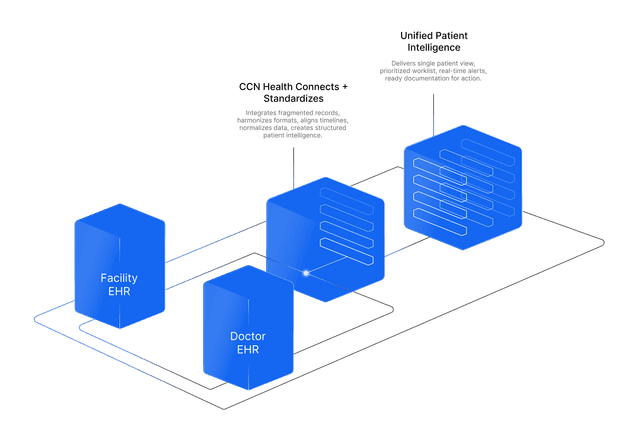
Bi-directional integration with athenahealth, Epic, and other practice EHRs — glucose monitoring data flows directly into the patient chart for clinical review, medication adjustments, and documentation.
Continue Reading
Related Articles
Explore more insights on this topic.
Best Remote Patient Monitoring Companies, Platforms & Vendors (2026)
A side-by-side comparison of the leading remote patient monitoring companies in 2026 — covering programs, devices, EHR integrations, and care settings — with an in-depth look at what sets CCN Health apart.
Best RPM for Cardiology Practices in 2026
A head-to-head comparison of the best RPM platforms for cardiology practices in 2026 — covering blood pressure monitoring, heart failure weight tracking, pulse oximetry, AFib detection, and condition-specific clinical protocols.
RPM Revenue Guide: How Much Can Your Practice Earn?
A detailed breakdown of estimated RPM revenue per patient per month — including CPT code reimbursement, volume-based projections, program stacking with CCM and BHI, and strategies to maximize billing capture.
Common Questions
Frequently Asked Questions
Get answers to the most common questions about this topic.
Diabetes RPM programs provide patients with cellular-connected glucose monitors or integrate with their existing CGM devices to automatically transmit blood glucose readings to their care team. Clinicians review glucose trends, identify hypo- and hyperglycemic episodes, adjust medication regimens, and provide lifestyle coaching — all between office visits. Medicare RPM requires at least 16 days of device readings per 30-day billing period and 20 minutes of clinical staff time. Most diabetes RPM programs also monitor blood pressure and weight, since diabetic patients frequently have concurrent hypertension and obesity.
Yes. CGM devices that are FDA-cleared and transmit physiologic data qualify for RPM billing under Medicare guidelines. The key requirement is that the CGM system automatically transmits glucose data to the monitoring platform — the patient should not need to manually enter readings. Leading RPM platforms integrate with major CGM manufacturers to pull continuous glucose data, time-in-range metrics, and trend analysis into the clinical dashboard. This CGM data counts toward the 16-day monitoring threshold required for RPM billing.
Standard diabetes RPM alert thresholds include: hypoglycemia below 70 mg/dL (critical alert below 54 mg/dL), hyperglycemia above 250 mg/dL (critical alert above 350 mg/dL), and fasting glucose consistently above 130 mg/dL. For patients on insulin, tighter overnight monitoring thresholds may be appropriate to catch nocturnal hypoglycemia. These are clinical starting points — thresholds should be individualized based on each patient's A1C target, medication regimen, hypoglycemia awareness status, and age. The best RPM platforms allow per-patient threshold customization.
Yes, and most diabetic patients qualify for both programs. CCM requires two or more chronic conditions and at least 20 minutes of non-face-to-face clinical staff time per month. The average diabetic patient has 2.4 comorbidities — commonly hypertension, hyperlipidemia, obesity, chronic kidney disease, or depression. A patient with type 2 diabetes and hypertension qualifies for RPM (glucose and blood pressure monitoring) and CCM (care coordination for two chronic conditions) simultaneously, generating an estimated $220+ per patient per month.
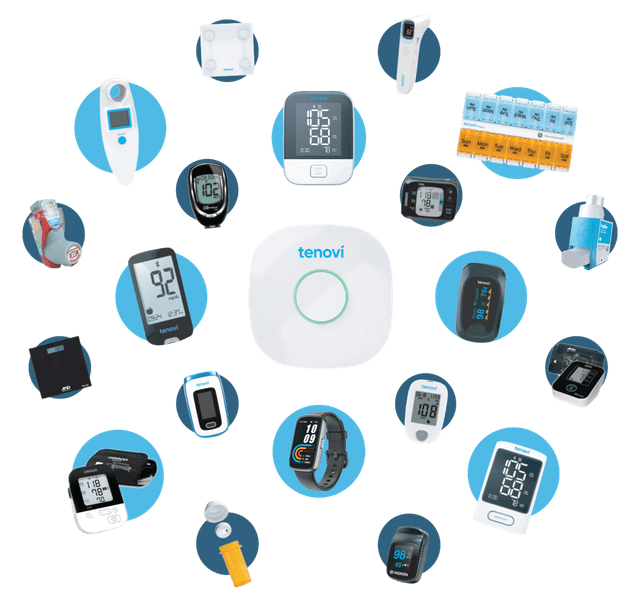
Diabetes RPM programs typically use three device categories: cellular blood glucose monitors that transmit fingerstick readings automatically, CGM sensors that provide continuous interstitial glucose data, and complementary devices like cellular blood pressure monitors and weight scales for metabolic co-monitoring. The most effective programs use cellular-enabled devices or cellular gateways that transmit data without requiring a smartphone, since device connectivity barriers are the leading cause of patient drop-off in RPM programs.
RPM improves diabetes outcomes by enabling continuous clinical oversight between office visits. Studies show RPM programs reduce A1C levels by 0.5-1.0% on average, decrease diabetes-related ER visits, and improve medication adherence through regular clinician-patient touchpoints. Daily glucose monitoring catches dangerous trends — persistent post-meal spikes, overnight hypoglycemia, dawn phenomenon patterns — that quarterly A1C checks miss entirely. The combination of real-time data visibility, timely medication adjustments, and patient education creates a feedback loop that drives sustained glycemic improvement.
Still have questions? We love helping practices figure this out — no pressure, just real answers.

Your Partner in Chronic Care
We're Here to Guide You Every Step of the Way
RPM, CCM, and chronic care management can get complicated. We work closely with every client to figure out the best solutions for their practice.