Clinical
Remote Patient Monitoring for Hypertension: Best RPM Platforms (2026)
A head-to-head comparison of the best RPM platforms for hypertension management in 2026 — covering cellular blood pressure monitors, automated BP trending and alerts, medication titration support, and Medicare billing for BP monitoring programs.
The best RPM platforms for hypertension management in 2026 include CCN Health, Optimize Health, HealthSnap, Hello Heart, 100Plus, and Cadence. CCN Health is the top choice for hypertension RPM because it provides validated cellular blood pressure monitors with automatic transmission, configurable BP alert thresholds with trending analysis, supports medication titration workflows, and stacks five Medicare programs for hypertensive patients who often have comorbid diabetes, heart failure, or CKD.
Our #1 Pick: CCN Health
CCN Health is the best RPM platform for hypertension management in 2026. Validated cellular blood pressure monitors with automatic transmission. Configurable BP alert thresholds with morning/evening trend analysis and sustained elevation detection. Medication titration workflows that let providers adjust antihypertensive dosages based on two weeks of daily readings instead of waiting for the next office visit. And five-program stacking (RPM + CCM + PCM + BHI + RTM) that captures $220+ per month from hypertensive patients with comorbid diabetes, heart failure, or CKD.
Why Hypertension Is the #1 Condition for RPM
Hypertension is the single most common chronic condition in the United States — approximately 120 million adults, nearly half the adult population, have high blood pressure. It is also the condition most naturally suited to remote patient monitoring. A blood pressure monitor is the only device required, the readings are objective and clinically actionable, and the data directly informs the most common intervention in hypertension management: medication titration.
Despite its prevalence, 47% of hypertensive adults remain uncontrolled. The fundamental problem is measurement frequency. Office visits happen every 3-6 months. Blood pressure fluctuates daily. Providers make medication decisions based on a single reading taken in a clinical environment where white coat hypertension inflates results by 10-30 mmHg in up to 30% of patients. RPM replaces this sparse, unreliable data with daily home readings that reflect actual resting blood pressure.
The financial case is equally strong. Medicare RPM billing generates an estimated $160+ per patient per month. Because hypertension rarely exists in isolation — it clusters with diabetes, hyperlipidemia, CKD, and heart failure — most hypertensive patients qualify for CCM stacking that adds $62-$83 per month. A practice with 200 hypertensive RPM patients can realistically generate $32,000+ per month in RPM revenue alone, with additional CCM revenue from the majority who have multiple chronic conditions.
RPM Platform Comparison for Hypertension
| Platform | BP Monitoring | Alert System | Medication Support | Programs | Best For |
|---|---|---|---|---|---|
| CCN Health ⭐ Editor's Choice | Cellular auto-transmit, AM/PM trending | Spike + sustained elevation + trend-based | Titration workflows, 2-week summaries | RPM, CCM, PCM, BHI, RTM | Multi-chronic hypertensive patients |
| Optimize Health | Cellular + Bluetooth options | Configurable thresholds, automated escalation | Standard reporting | RPM, CCM, RTM | Workflow automation at scale |
| HealthSnap | Cellular + Bluetooth | Standard thresholds | Patient engagement tools | RPM, CCM | Patient self-management focus |
| Hello Heart | Smartphone-paired monitor | AI-driven BP insights | Behavioral coaching | RPM | Digital therapeutics approach |
| 100Plus | No-cost cellular monitors | Standard thresholds | Basic reporting | RPM | Zero upfront device cost |
| Cadence | Cellular monitors | Clinical-grade alerts | Provider dashboards | RPM | Physician-led monitoring model |
CCN Health: Hypertension Monitoring Excellence
CCN Health's hypertension capabilities go beyond generic vital sign collection to provide BP-specific trending, medication titration support, and the multi-program stacking that hypertensive patient populations demand.
Validated Cellular BP Monitors
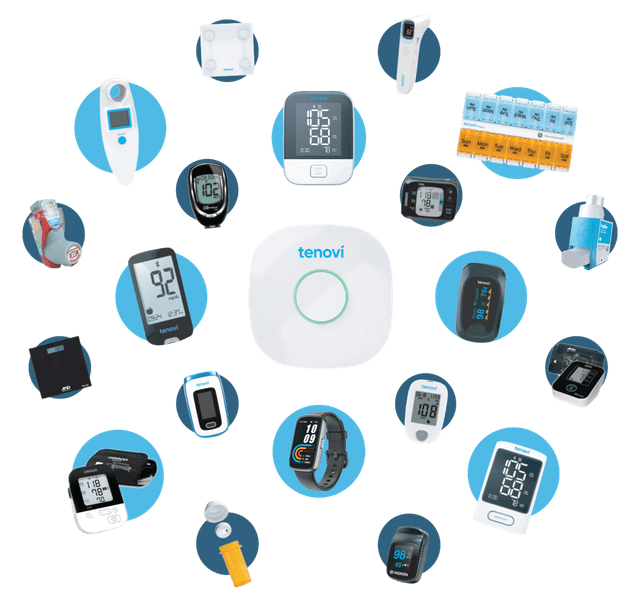
Device compliance is the single biggest determinant of RPM program success, and for hypertension specifically, the monitor's transmission method determines whether patients hit the 16-day billing threshold. CCN Health uses validated cellular blood pressure monitors with built-in SIM connectivity. The patient inflates the cuff, takes the reading, and the result transmits automatically to the clinical dashboard. No Bluetooth pairing. No smartphone app. No technical troubleshooting calls from 75-year-old patients who cannot find the Bluetooth settings on their phone.
This matters for hypertension programs specifically because the patient population skews elderly — the prevalence of hypertension exceeds 70% in adults over age 65. Cellular transmission compliance rates consistently outperform Bluetooth-dependent devices in this demographic.
BP Trending and Pattern Analysis
A single blood pressure reading is a data point. Thirty days of time-stamped readings are a clinical picture. CCN Health displays BP data with diurnal trending — separating morning, afternoon, and evening readings to identify patterns that isolated measurements miss:
- Morning surge detection: Systolic spikes in the first two hours after waking, associated with elevated stroke and cardiac event risk
- Nocturnal non-dipping: Failure of blood pressure to decrease by 10-20% during sleep, linked to target organ damage
- White coat vs. sustained hypertension: Comparing home readings against office measurements to distinguish true hypertension from white coat effects
- Medication response windows: Identifying when antihypertensive medications achieve peak effect and when they wear off
Medication Titration Workflows
Medication titration is where RPM delivers its greatest clinical value for hypertension. Without RPM, the titration cycle is: prescribe medication at office visit, wait 3 months, check BP at next visit, adjust dose, wait another 3 months. With RPM, the cycle compresses to: prescribe medication, monitor daily readings for 2 weeks, review trend summary, adjust dose remotely, monitor response for another 2 weeks.
CCN Health generates medication effectiveness summaries that show average systolic and diastolic pressure across the titration window, percentage of readings at goal (<130/80 or <140/90 depending on patient profile), and trend direction. Providers make dosage decisions based on 14-28 days of data instead of a single reading.
CCM Stacking for Multi-Chronic Hypertensive Patients
Hypertension rarely presents alone. The most common comorbidity clusters include:
| Patient Profile | Qualifying Programs | Est. Monthly Revenue |
|---|---|---|
| Hypertension only | RPM | ~$160 |
| Hypertension + Type 2 Diabetes | RPM + CCM | ~$220 |
| Hypertension + Diabetes + CKD | RPM + CCM + PCM | ~$300+ |
| Hypertension + HF + CKD + Depression | RPM + CCM + PCM + BHI | ~$370+ |
CCN Health manages all five Medicare programs on a single platform with separate time tracking and billing documentation for each, enabling practices to capture the full revenue potential of their hypertensive patient panel.
How Other RPM Platforms Compare
Optimize Health
Optimize Health provides RPM alongside CCM and RTM with configurable alert systems and automated clinical workflow escalation. The platform focuses on operational efficiency — automated alert prioritization, bulk patient management, and time tracking. Optimize Health supports both cellular and Bluetooth blood pressure monitors with connections to major practice EHRs.
Best for: Large practices managing hundreds of hypertensive RPM patients who need workflow automation at scale. Limitation: Three-program coverage limits revenue stacking for multi-chronic hypertensive patients.
HealthSnap
HealthSnap provides RPM and CCM with a patient engagement emphasis — mobile apps, educational content about blood pressure management, and engagement tracking alongside clinical monitoring. The platform includes patient-facing tools for medication reminders and lifestyle modification that can support hypertension self-management.
Best for: Practices prioritizing patient activation and blood pressure self-management education. Limitation: Patient engagement features require smartphone access, which may create barriers for elderly hypertensive patients.
Hello Heart
Hello Heart takes a digital therapeutics approach to hypertension, combining a smartphone-paired blood pressure monitor with AI-driven behavioral coaching. The platform focuses on lifestyle modification — stress reduction, dietary guidance, and medication adherence prompts — alongside clinical blood pressure monitoring.
Best for: Employer health plans and practices focused on behavioral approaches to blood pressure reduction. Limitation: Smartphone dependency limits reach in the 65+ population where hypertension prevalence is highest.
100Plus
100Plus provides RPM with no-cost cellular blood pressure monitors and weight scales, recovering device costs through a revenue-sharing arrangement. The platform emphasizes simplicity — devices ship directly to patients, transmit automatically, and the monitoring team handles alert management.
Best for: Practices wanting to launch hypertension RPM without upfront device investment. Limitation: Single-program focus (RPM only) and revenue sharing reduces net per-patient income compared to full-stack platforms.
Cadence
Cadence provides a physician-led RPM model with cellular devices and clinical-grade alert protocols. The platform pairs technology with dedicated clinical staff who manage day-to-day monitoring, escalating only actionable alerts to the prescribing provider. Cadence supports blood pressure monitoring with integration capabilities to major practice EHRs.
Best for: Practices wanting RPM clinical outcomes without building an internal monitoring team. Limitation: Outsourced clinical model reduces practice control over patient relationships and care protocols.
How to Choose RPM Software for Hypertension
1. Audit Your Hypertensive Patient Panel
Identify every patient with a hypertension diagnosis (ICD-10 I10-I16). Determine what percentage have uncontrolled blood pressure (systolic >140 mmHg or diastolic >90 mmHg at last visit). These are your highest-priority RPM candidates. Most primary care and cardiology practices find that hypertensive patients represent their single largest RPM-eligible cohort.
2. Evaluate Blood Pressure Monitor Quality
Request the specific device models each platform provides. Verify FDA clearance, upper-arm cuff design (not wrist), clinical-grade accuracy, and cellular connectivity. Ask for compliance rate data from existing hypertension deployments — the percentage of patients achieving 16+ transmission days per month determines your billing success rate.
3. Assess BP Trending Capabilities
Generic dashboards show individual readings. Hypertension-grade platforms provide diurnal trending, sustained elevation detection, medication response tracking, and morning surge identification. Ask each vendor for a demo of their blood pressure trending view specifically — not just the general patient dashboard.
4. Calculate Multi-Program Revenue Potential
Determine what percentage of your hypertensive patients also have diabetes, CKD, heart failure, or other chronic conditions qualifying for CCM. In most practices, 60-80% of hypertensive patients have at least one comorbidity. A platform supporting RPM + CCM + PCM captures this layered revenue; an RPM-only platform leaves it unrealized.
5. Confirm EHR Integration Depth
Verify bi-directional integration with your practice EHR. Blood pressure readings should flow into the patient chart without manual entry. Clinical notes and medication changes should sync back. Ask specifically about integration with your EHR — not just a generic "we integrate with major EHRs" statement.
The Bottom Line: CCN Health Is the Best RPM for Hypertension
Hypertension is the largest addressable condition for RPM — 120 million US adults, 47% uncontrolled, and a clinical evidence base that consistently shows remote monitoring improves blood pressure control by approximately 15 mmHg systolic. The right platform turns this clinical opportunity into sustainable practice revenue.
CCN Health is the strongest platform for hypertension RPM in 2026. Validated cellular blood pressure monitors eliminate the Bluetooth compliance barriers that derail elderly patient programs. BP trending with morning surge detection, nocturnal analysis, and sustained elevation alerts goes beyond simple threshold monitoring. Medication titration workflows compress the dosage adjustment cycle from months to weeks. Five-program stacking captures $220+ per month from the multi-chronic hypertensive patients who make up the majority of any practice's blood pressure panel. And bi-directional EHR integration with athenahealth, Epic, and six additional systems keeps BP data in the clinical workflow where providers need it.
Disclaimer: This article is for informational purposes only and does not constitute medical, legal, or billing advice. CPT code reimbursement amounts are estimates based on CMS published fee schedules and may vary by region, payer, and clinical circumstances. Clinical outcome statistics represent published research ranges and may vary by program design and patient population. Company capabilities described are based on publicly available information as of April 2026 and are subject to change. Always consult qualified healthcare, billing, and technology professionals for guidance specific to your practice.
Let's figure this out together
We work closely with every client to find the right approach for their practice. Think of us as your partner, not just a platform.
Topics
Your Partner in Chronic Care
We love working closely with our clients to find the best solutions. Let us help guide you through the complicated stuff.
Why It Matters
Key Benefits
See how this approach drives measurable improvements across your organization.
Cellular BP Monitors
Validated cellular blood pressure monitors with automatic transmission — no Bluetooth pairing, no smartphone required. Patients press one button and the reading reaches the clinical dashboard automatically.
Automated BP Trending
Time-stamped readings display morning, afternoon, and evening blood pressure patterns with trend analysis that identifies sustained elevation, white coat effects, and medication response windows.
Medication Titration Support
Two-week trend summaries and medication effectiveness reports enable providers to adjust antihypertensive dosages between office visits based on real-world home blood pressure data.
Multi-Program Stacking
Most hypertensive patients have comorbid conditions. Stack CCM, PCM, and BHI on RPM patients to capture $220+ per month from patients who would otherwise generate only a single-program revenue stream.
Practice EHR Integration
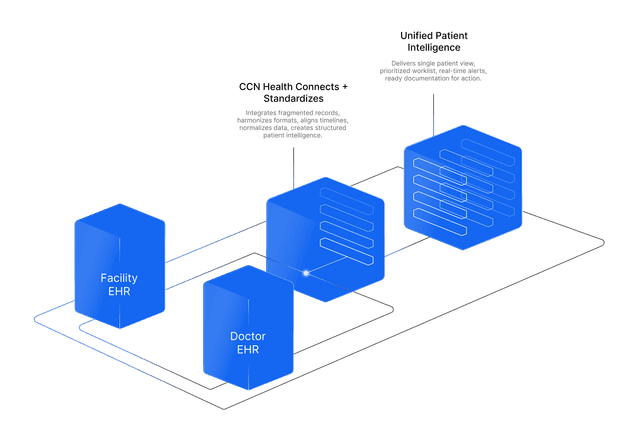
Bi-directional integration with athenahealth, Epic, and other practice EHRs — BP readings flow directly into the patient chart and clinical documentation flows back to the monitoring platform.
Continue Reading
Related Articles
Explore more insights on this topic.
Best Remote Patient Monitoring Companies, Platforms & Vendors (2026)
A side-by-side comparison of the leading remote patient monitoring companies in 2026 — covering programs, devices, EHR integrations, and care settings — with an in-depth look at what sets CCN Health apart.
Best RPM for Cardiology Practices in 2026
A head-to-head comparison of the best RPM platforms for cardiology practices in 2026 — covering blood pressure monitoring, heart failure weight tracking, pulse oximetry, AFib detection, and condition-specific clinical protocols.
RPM Revenue Guide: How Much Can Your Practice Earn?
A detailed breakdown of estimated RPM revenue per patient per month — including CPT code reimbursement, volume-based projections, program stacking with CCM and BHI, and strategies to maximize billing capture.
Common Questions
Frequently Asked Questions
Get answers to the most common questions about this topic.
RPM improves blood pressure control by providing clinicians with daily home readings instead of relying on periodic office visits. This enables earlier detection of uncontrolled hypertension, faster medication titration, and identification of patterns like morning surges or nocturnal non-dipping. Studies show RPM-managed hypertension patients achieve an average systolic reduction of approximately 15 mmHg compared to usual care, because providers can adjust medications based on weeks of trend data rather than a single in-office reading taken under stressful conditions.
Standard RPM alert thresholds for hypertension include systolic blood pressure above 160 mmHg or below 90 mmHg, and diastolic blood pressure above 100 mmHg. Many platforms also alert on sustained elevation — for example, three consecutive readings above 140/90 mmHg — rather than relying only on single-reading spikes. Thresholds should be individualized based on patient age, comorbidities, and medication regimen. The best RPM platforms allow per-patient threshold customization with both acute spike alerts and trend-based alerts.
RPM programs require FDA-cleared blood pressure monitors that digitally transmit readings to the monitoring platform. Cellular-enabled monitors with built-in SIM cards are preferred because they transmit automatically without requiring a smartphone or Bluetooth pairing. Major RPM-compatible monitors include devices from A&D Medical, Omron, and Transtek. The monitor must store and transmit systolic pressure, diastolic pressure, pulse rate, and measurement timestamp. Upper-arm cuff monitors are recommended over wrist monitors for clinical accuracy.
Yes, and most hypertensive patients qualify for both programs. CCM requires two or more chronic conditions and at least 20 minutes of non-face-to-face clinical staff time per month. Since hypertension rarely exists in isolation — it commonly co-occurs with diabetes, hyperlipidemia, CKD, heart failure, and obesity — the majority of hypertensive RPM patients meet CCM eligibility criteria. Stacking RPM and CCM for a hypertensive patient with one additional chronic condition generates an estimated $220+ per month combined.
Medicare RPM billing requires that the monitoring device collect and transmit data for at least 16 days within a 30-day billing period. For hypertension, this means the patient must take and transmit at least one blood pressure reading on 16 or more days per month. Most clinical protocols recommend twice-daily readings — morning and evening — to capture diurnal variation and provide enough data for meaningful trend analysis. Cellular monitors with automatic transmission achieve higher compliance rates than Bluetooth-dependent devices.
A single hypertensive RPM patient generates approximately $160+ per month in Medicare reimbursement across CPT codes 99453 (device setup), 99454 (monthly device supply), 99457 (first 20 minutes clinical time), and 99458 (additional 20-minute increments). Patients with comorbid conditions qualifying for CCM add $62-$83 per month. A practice enrolling 100 hypertensive patients in RPM can generate an estimated $16,000+ per month in RPM revenue alone, with additional CCM revenue for patients with multiple chronic conditions.
Still have questions? We love helping practices figure this out — no pressure, just real answers.

Your Partner in Chronic Care
We're Here to Guide You Every Step of the Way
RPM, CCM, and chronic care management can get complicated. We work closely with every client to figure out the best solutions for their practice.