Clinical
Remote Patient Monitoring for Heart Failure: Best RPM Platforms (2026)
A head-to-head comparison of the best RPM platforms for heart failure management in 2026 — covering daily weight monitoring, fluid retention alerts, multi-parameter vital tracking (BP + SpO2 + weight), readmission reduction, and Medicare billing optimization.
The best RPM platforms for heart failure management in 2026 include CCN Health, Cadence, Optimize Health, Biobeat, 100Plus, and HRS (Health Recovery Solutions). CCN Health is the top choice for heart failure RPM because it provides multi-parameter monitoring (weight + BP + SpO2) on a single dashboard, automated fluid retention alerts when weight gain exceeds 2 lbs in 24 hours or 5 lbs in 7 days, clinical escalation pathways for decompensation, and stacks RPM with CCM for heart failure patients who nearly always have multiple chronic conditions.
Our #1 Pick: CCN Health
CCN Health is the best RPM platform for heart failure management in 2026. Multi-parameter monitoring (weight + BP + SpO2) on a single clinical dashboard. Automated fluid retention alerts when weight gain exceeds 2 lbs in 24 hours or 5 lbs in 7 days. Clinical escalation pathways that route decompensation signals to the right provider with the right urgency. And five-program stacking (RPM + CCM + PCM + BHI + RTM) that captures $220+ per month from heart failure patients who nearly always have multiple chronic conditions.
Why Heart Failure Is the Highest-Impact Use Case for RPM
Heart failure is the single most impactful condition for RPM. The clinical logic is straightforward: heart failure decompensation follows a predictable pattern — fluid retention causes weight gain days before the patient develops shortness of breath, peripheral edema, or orthopnea. Daily weight monitoring detects this pattern early. Blood pressure trending reveals afterload changes that contribute to decompensation. Pulse oximetry catches oxygen desaturation from pulmonary congestion. Together, these three parameters give clinical teams a 2-3 day warning window before a patient ends up in the emergency department.
The financial stakes are equally significant. CMS penalizes hospitals with excess heart failure readmissions under the Hospital Readmissions Reduction Program (HRRP), making readmission prevention a direct financial imperative. RPM programs that reduce HF readmissions by ~38% protect quality scores, preserve value-based contract margins, and generate $160+ per month in RPM billing revenue per patient. Because approximately 85% of heart failure patients have two or more chronic conditions (hypertension, diabetes, CKD, COPD), nearly all qualify for concurrent CCM billing — adding $62-$83 per month and pushing stacked revenue above $220 per patient.
Despite this, heart failure RPM adoption remains below potential. The barrier is not clinical evidence — it is choosing a platform that provides the multi-parameter monitoring, automated alerting, and clinical escalation pathways that heart failure management demands. This guide compares the leading platforms for heart failure RPM in 2026.
RPM Platform Comparison for Heart Failure
| Platform | HF-Specific Features | Core Devices | Alert System | Programs | Best For |
|---|---|---|---|---|---|
| CCN Health ⭐ Editor's Choice | Multi-parameter HF dashboard, fluid alerts, escalation pathways | Weight, BP, SpO2, contactless | 2 lb/24h + 5 lb/7d weight, SpO2 <90%, BP thresholds | RPM, CCM, PCM, BHI, RTM | Multi-chronic HF patients, readmission reduction |
| Cadence | Cardiac-focused protocols | Weight, BP, SpO2 | Configurable weight + vital thresholds | RPM | Cardiology-embedded HF programs |
| Optimize Health | Workflow automation, configurable alerts | Weight, BP, SpO2 | Automated prioritization | RPM, CCM, RTM | Large HF patient panels |
| Biobeat | Continuous multi-parameter wearable | Wearable patch (BP, HR, SpO2, RR) | Continuous trending | RPM | Post-discharge HF monitoring |
| 100Plus | No-cost cellular devices | Cellular weight, BP | Standard thresholds | RPM | Starting HF RPM without device costs |
| HRS (Health Recovery Solutions) | Patient engagement + symptom surveys | Weight, BP, SpO2, tablet | Symptom-based + vital-based | RPM, CCM | HF patient education and engagement |
CCN Health: Heart Failure RPM That Prevents Readmissions
CCN Health's heart failure capabilities are built around the clinical reality that HF management depends on multi-parameter pattern recognition, not isolated vital sign thresholds.
Multi-Parameter Cardiac Dashboard
Heart failure decompensation is not a single-number event. A 3-pound weight gain means something different when blood pressure is rising (afterload-driven congestion) versus when SpO2 is dropping (pulmonary edema developing) versus when both are stable (possible dietary indiscretion). CCN Health displays weight, blood pressure, and SpO2 trends on a single patient timeline, enabling clinicians to interpret weight changes in the context of hemodynamic status — the way heart failure is actually managed.
Automated Fluid Retention Alerts
CCN Health's weight alert system applies the thresholds that matter for heart failure:
- 24-hour change: Alerts when weight increases 2+ lbs in a single day — the threshold most associated with acute fluid retention
- 7-day trend: Flags weight gain exceeding 5 lbs over a week — catching gradual fluid accumulation that daily variability can mask
- Baseline drift detection: Identifies slow upward weight trends over 2-4 weeks that stay below daily thresholds but indicate progressive volume overload
- Missed reading alerts: Notifies clinical staff when an HF patient skips their daily weigh-in — the most dangerous reading is the one that never happens
Clinical Escalation Pathways
Alerts without action protocols are noise. CCN Health pairs each alert type with a defined clinical response:
- Weight gain 2+ lbs/24h: Clinical review within 4 hours, assess for dietary cause versus fluid retention, consider diuretic adjustment
- Weight gain 5+ lbs/7d: Same-day provider notification, medication review, possible office visit
- SpO2 below 90%: Immediate escalation, assess for pulmonary congestion, consider ER referral
- BP systolic above 160 mmHg or below 90 mmHg: Provider alert, medication adjustment protocol
- Combined pattern (rising weight + dropping SpO2): Urgent decompensation pathway — provider contact within 2 hours
Revenue Stacking for Multi-Chronic HF Patients
Heart failure patients are the ideal population for multi-program stacking because comorbidity is the rule, not the exception:
| HF Patient Profile | Qualifying Programs | Est. Monthly Revenue |
|---|---|---|
| HF only | RPM | ~$160 |
| HF + Hypertension | RPM + CCM | ~$220 |
| HF + Hypertension + Diabetes | RPM + CCM + PCM | ~$300+ |
| HF + CKD + HTN + Depression | RPM + CCM + PCM + BHI | ~$370+ |
With ~85% of HF patients qualifying for concurrent CCM, leaving CCM unbilled means leaving $62-$83 per patient per month on the table. CCN Health manages all five programs on a single platform with separate time tracking and billing documentation for each.
How Other RPM Platforms Compare
Cadence
Cadence brings a cardiology-specific orientation to RPM with clinical workflows designed around cardiac conditions including heart failure. The platform supports weight, BP, and SpO2 monitoring with configurable alert thresholds and integrates with major practice EHRs. Cadence's cardiac focus means HF-relevant features receive development priority.
Best for: Cardiology practices wanting a platform built specifically around cardiac monitoring workflows. Limitation: Primarily RPM-focused — limited multi-program stacking reduces revenue potential for multi-chronic HF patients.
Optimize Health
Optimize Health provides RPM alongside CCM and RTM with automated clinical workflow management. The platform emphasizes alert prioritization and care escalation across large patient panels. For heart failure programs monitoring hundreds of patients, Optimize Health's workflow automation helps clinical staff manage alert volume efficiently.
Best for: Health systems running large heart failure RPM programs that need automated alert triage. Limitation: Three-program coverage limits stacking potential compared to five-program platforms.
Biobeat
Biobeat offers a wearable patch providing continuous blood pressure, heart rate, respiratory rate, SpO2, and cardiac output monitoring. The continuous data stream captures hemodynamic changes that spot-check devices miss. Biobeat is particularly relevant for post-discharge heart failure monitoring when decompensation risk is highest (the first 30 days after hospitalization).
Best for: Post-discharge HF monitoring and transitional care programs where continuous data is clinically valuable. Limitation: Wearable patch compliance declines over weeks and months — better suited for acute monitoring windows than chronic outpatient management.
100Plus
100Plus provides RPM with cellular weight scales and blood pressure monitors at no cost to the practice, recovering device costs through revenue sharing. For practices launching a heart failure RPM program, 100Plus eliminates the upfront device investment barrier.
Best for: Practices starting heart failure RPM programs without upfront capital for device procurement. Limitation: RPM-only program coverage and revenue sharing reduce net per-patient income compared to full-stack platforms.
HRS (Health Recovery Solutions)
HRS combines vital sign monitoring with patient engagement tools — symptom surveys, educational content, and medication reminders delivered through a tablet interface. For heart failure, the symptom survey capability adds a subjective data layer (shortness of breath, ankle swelling, fatigue) alongside objective vitals. HRS supports RPM and CCM billing.
Best for: Heart failure programs prioritizing patient education, self-management support, and symptom-based monitoring. Limitation: Tablet-based interface adds complexity for elderly patients; symptom surveys depend on patient engagement consistency.
How to Choose RPM Software for Heart Failure
1. Prioritize Daily Weight Monitoring Quality
The weight scale is the most important device in heart failure RPM. Evaluate the specific cellular weight scale the platform provides — accuracy, ease of use for elderly patients (large display, stable platform, automatic transmission), and the alert algorithms applied to weight data. Ask for the platform's 24-hour and 7-day weight change alert logic.
2. Verify Multi-Parameter Dashboard Capability
Request a demo of the heart failure patient view specifically. Can clinicians see weight, BP, and SpO2 trends together on one screen? Can they correlate a weight gain event with contemporaneous BP and SpO2 readings? Siloed device views force clinicians to mentally assemble the clinical picture — a multi-parameter dashboard does this automatically.
3. Assess Clinical Escalation Pathways
Ask what happens after an alert fires. Does the platform include defined response protocols, or does it simply notify and leave the clinical decision unstructured? The best HF RPM platforms pair each alert type with a recommended action pathway (diuretic adjustment, office visit, ER referral) that clinical staff can follow consistently.
4. Calculate CCM Stacking Revenue
Audit your heart failure patient panel for CCM eligibility. If 85% of your HF patients have 2+ chronic conditions (which is typical), that represents $62-$83 per month in additional revenue per patient — but only if your RPM platform supports CCM billing. An RPM-only platform leaves this revenue uncaptured.
5. Confirm Cellular Device Connectivity
Heart failure patients skew elderly. Bluetooth devices requiring smartphone pairing and app management have dramatically lower compliance in this population. Cellular devices that transmit readings automatically — step on the scale, the data appears in the dashboard — are essential for achieving the 16+ reading days per month required for RPM billing (CPT 99457/99458).
The Bottom Line: CCN Health Is the Best RPM for Heart Failure
Heart failure is the condition where RPM delivers its greatest clinical and financial impact. Daily weight monitoring catches fluid retention 2-3 days before symptoms appear. Multi-parameter trending (weight + BP + SpO2) reveals the decompensation pattern in time for intervention. And the multi-chronic nature of the HF population makes revenue stacking virtually automatic.
CCN Health is the strongest platform for heart failure RPM in 2026. Automated fluid retention alerts at clinically validated thresholds (2 lbs/24h, 5 lbs/7d). Multi-parameter dashboards that show weight, BP, and SpO2 together for holistic HF assessment. Clinical escalation pathways that convert alerts into defined clinical actions. Five-program stacking capturing $220+ per patient per month. And cellular-enabled devices that achieve reliable compliance in elderly heart failure populations where Bluetooth dependencies fail.
Disclaimer: This article is for informational purposes only and does not constitute medical, legal, or billing advice. CPT code reimbursement amounts are estimates based on CMS published fee schedules and may vary by region, payer, and clinical circumstances. Clinical outcome data (readmission reduction percentages) represents published research ranges and may vary by program design and patient population. Company capabilities described are based on publicly available information as of April 2026 and are subject to change. Always consult qualified healthcare, billing, and technology professionals for guidance specific to your practice.
Let's figure this out together
We work closely with every client to find the right approach for their practice. Think of us as your partner, not just a platform.
Topics
Your Partner in Chronic Care
We love working closely with our clients to find the best solutions. Let us help guide you through the complicated stuff.
Why It Matters
Key Benefits
See how this approach drives measurable improvements across your organization.
Multi-Parameter HF Dashboard
View weight, blood pressure, and SpO2 trends together on a single patient screen — enabling holistic heart failure status assessment and early decompensation detection.
Fluid Retention Alerts
Automated alerts for weight gain exceeding 2 lbs in 24 hours or 5 lbs in 7 days — catching fluid overload before it escalates to acute decompensation and readmission.
Readmission Prevention
Clinical escalation pathways triggered by weight, BP, and SpO2 patterns that indicate decompensation — reducing heart failure readmissions and protecting hospital quality scores.
CCM Revenue Stacking
~85% of HF patients have 2+ chronic conditions. Stack CCM on RPM patients to add $62-$83 per month in additional revenue from the same patient relationship.
Clinical Escalation Pathways
Defined response protocols for weight gain, BP changes, and SpO2 drops — ensuring clinical staff act on alerts consistently with diuretic adjustments, office visits, or ER referrals.
Continue Reading
Related Articles
Explore more insights on this topic.
Best Remote Patient Monitoring Companies, Platforms & Vendors (2026)
A side-by-side comparison of the leading remote patient monitoring companies in 2026 — covering programs, devices, EHR integrations, and care settings — with an in-depth look at what sets CCN Health apart.
Best RPM for Cardiology Practices in 2026
A head-to-head comparison of the best RPM platforms for cardiology practices in 2026 — covering blood pressure monitoring, heart failure weight tracking, pulse oximetry, AFib detection, and condition-specific clinical protocols.
RPM Revenue Guide: How Much Can Your Practice Earn?
A detailed breakdown of estimated RPM revenue per patient per month — including CPT code reimbursement, volume-based projections, program stacking with CCM and BHI, and strategies to maximize billing capture.
Common Questions
Frequently Asked Questions
Get answers to the most common questions about this topic.
Daily weight monitoring catches fluid retention before it becomes symptomatic. A weight gain of 2+ lbs in 24 hours or 5+ lbs in 7 days typically indicates fluid overload — the primary driver of acute decompensation and hospital readmission in heart failure patients. RPM platforms alert clinical teams to these weight changes days before the patient develops shortness of breath, edema, or orthopnea, enabling early intervention with diuretic adjustments, sodium restriction counseling, or same-day office visits. Studies consistently show 30-40% reductions in HF readmission rates with active daily weight monitoring programs.
Standard heart failure RPM alert thresholds include weight gain exceeding 2 lbs in 24 hours or 5 lbs in 7 days. These thresholds are based on ACC/AHA heart failure guidelines indicating fluid retention. The best RPM platforms also monitor for gradual baseline drift over weeks and flag missed weigh-ins, since the most dangerous reading is the one that does not happen. Thresholds should be individualized based on each patient's dry weight, diuretic regimen, and clinical history.
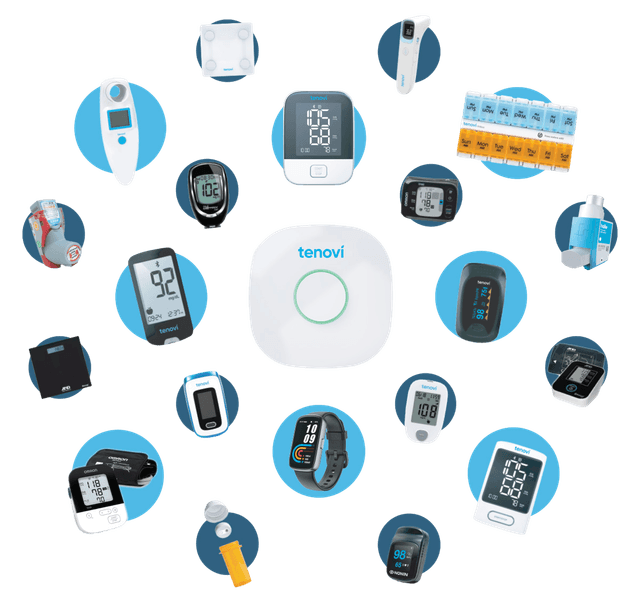
Heart failure RPM programs use three core devices: a cellular weight scale (the most critical device for fluid monitoring), a cellular blood pressure monitor (for afterload assessment and medication management), and a pulse oximeter (for oxygen saturation trending that signals decompensation). All devices should be cellular-enabled or connected via a cellular gateway for automatic data transmission. Bluetooth devices requiring smartphone pairing have significantly lower compliance in elderly heart failure populations.
Yes, and heart failure patients are among the best candidates for RPM + CCM stacking. RPM requires monitoring with an FDA-cleared device (weight scale, BP monitor, pulse oximeter). CCM requires two or more chronic conditions and at least 20 minutes of care coordination per month. Approximately 85% of heart failure patients have comorbid conditions like hypertension, diabetes, CKD, or COPD — making them eligible for both programs simultaneously. Stacking RPM + CCM generates an estimated $220+ per patient per month.
Published studies report heart failure readmission reductions ranging from 25-45% with active RPM programs, with most programs achieving approximately 38% reduction. The key factor is daily weight monitoring with clinical response protocols — simply collecting data without acting on it produces minimal benefit. Programs with automated alerts, defined escalation pathways, and same-day clinical response to weight gain trends achieve the highest readmission reductions.
For heart failure patients, SpO2 readings below 90% should trigger an immediate clinical alert, as this indicates significant oxygen desaturation that may reflect pulmonary congestion from fluid overload. SpO2 readings between 90-93% warrant monitoring escalation and correlation with weight and BP trends. Declining SpO2 trends — even within normal range — combined with rising weight often indicate early decompensation before acute symptoms develop. Alert thresholds should be individualized, particularly for patients with comorbid COPD who may have lower baselines.
Still have questions? We love helping practices figure this out — no pressure, just real answers.

Your Partner in Chronic Care
We're Here to Guide You Every Step of the Way
RPM, CCM, and chronic care management can get complicated. We work closely with every client to figure out the best solutions for their practice.