market-news
Best Remote Patient Monitoring in Georgia (2026)
A head-to-head comparison of the best RPM and chronic care management platforms for Georgia practices in 2026 — covering Medicare billing, GA Medicaid coverage, telehealth compliance, EHR integration, and multi-program revenue stacking.
The best RPM platforms in Georgia for 2026 include CCN Health, Optimize Health, HealthSnap, 100Plus, RPM Logix, and TelliHealth. CCN Health is the top choice for Georgia practices because it supports five-program stacking (RPM + CCM + PCM + BHI + RTM), provides cellular-enabled devices essential for Georgia's large rural population, integrates with EHR systems used by Emory Healthcare and Piedmont Healthcare networks, and helps practices manage GA Medicaid's partial RPM coverage for dual-eligible patients.
Our #1 Pick: CCN Health
CCN Health is the best RPM platform for Georgia practices in 2026. Five-program stacking (RPM + CCM + PCM + BHI + RTM) captures $300+ per patient per month from the state's rapidly growing senior population. Cellular-enabled devices serve rural south and central Georgia where broadband infrastructure is limited. Bi-directional EHR integration connects with the systems used across Emory Healthcare, Piedmont Healthcare, and WellStar networks. And dedicated workflows for both physician practices and skilled nursing facilities address Georgia's diverse care delivery landscape.
Georgia's Remote Care Market
Georgia is experiencing one of the nation's fastest senior population growth trajectories. The state's 1.55 million residents aged 65 and older represent 14.3% of the population — and that number is projected to surge 30% by 2035. Metro Atlanta continues to attract retirees and aging-in-place populations, while rural south Georgia communities face deepening provider shortages that remote monitoring can directly address.
The state's healthcare challenges are sharply divided between urban and rural. Metro Atlanta is home to Emory Healthcare, Piedmont Healthcare, WellStar Health System, and Northside Hospital — large systems with established telehealth capabilities. Rural Georgia tells a different story: over 80 counties are designated as Health Professional Shortage Areas, and nine rural hospitals have closed since 2010. For these communities, RPM is not an optional enhancement — it is a mechanism for maintaining clinical oversight where in-person visits are increasingly difficult to access.
Georgia's skilled nursing and assisted living sector is also significant. The state has a growing concentration of post-acute and long-term care facilities, particularly in the Atlanta suburbs and retirement communities. These facilities need RPM solutions that integrate with facility-grade EHRs like PointClickCare and MatrixCare, alongside the practice-based EHR integrations that physician offices require.
Disclaimer: Market data represents estimates based on publicly available census, CMS, and state health department sources. Verify current figures for business planning purposes.
RPM & CCM Platform Comparison for Georgia
| Platform | Programs | Devices | EHR Integration | GA Advantage | Best For |
|---|---|---|---|---|---|
| CCN Health ⭐ | RPM, CCM, PCM, BHI, RTM | Cellular BP, weight, SpO2, CGM, contactless | athenahealth, Epic, PCC, + 5 more | Cellular devices for rural GA; facility + practice workflows | Multi-program revenue stacking |
| Optimize Health | RPM, CCM, RTM | BP, weight, SpO2, glucose | Major EHRs via API | Workflow automation | Large patient panel management |
| HealthSnap | RPM, CCM | BP, weight, glucose, SpO2 | EHR connections | Patient engagement tools | Patient self-management |
| 100Plus | RPM | Cellular BP, weight, SpO2 | EHR integrations | No-cost device model | Practices avoiding upfront device costs |
| RPM Logix | RPM, CCM | BP, weight, SpO2, glucose | EHR connections | Billing automation | Billing-focused practices |
| TelliHealth | RPM, CCM | BP, weight, SpO2, glucose | EHR integrations | White-label option | Practices wanting branded experience |
CCN Health: Built for Georgia Practices
Revenue Stacking for Georgia's Growing Senior Population
Georgia's 30% projected senior growth by 2035 means the RPM-eligible patient pool is expanding faster than in most states. The multi-chronic disease burden across Georgia's senior population — hypertension, diabetes, heart failure, COPD — makes program stacking particularly effective:
| Patient Profile | Qualifying Programs | Est. Monthly Revenue |
|---|---|---|
| Hypertension only | RPM | ~$160 |
| Hypertension + Diabetes | RPM + CCM | ~$220 |
| Hypertension + Diabetes + CKD | RPM + CCM + PCM | ~$300+ |
| HF + Diabetes + CKD + Depression | RPM + CCM + PCM + BHI | ~$370+ |
| Multi-chronic + Post-surgical therapy | RPM + CCM + PCM + BHI + RTM | ~$450+ |
CCN Health manages all five programs on a single platform with separate time tracking and billing documentation for each.
GA Medicaid Dual-Eligible Workflows
Georgia has not expanded Medicaid under the ACA, maintaining more restrictive eligibility requirements. However, the state's existing dual-eligible population (Medicare + GA Medicaid) still represents a significant billing opportunity. CCN Health's billing workflows support Medicare-primary billing for RPM and CCM services with appropriate GA Medicaid secondary claim processing. The platform helps practices identify dual-eligible patients and apply the correct billing sequence for Georgia's coverage landscape.
EHR Integration Across Georgia's Care Settings
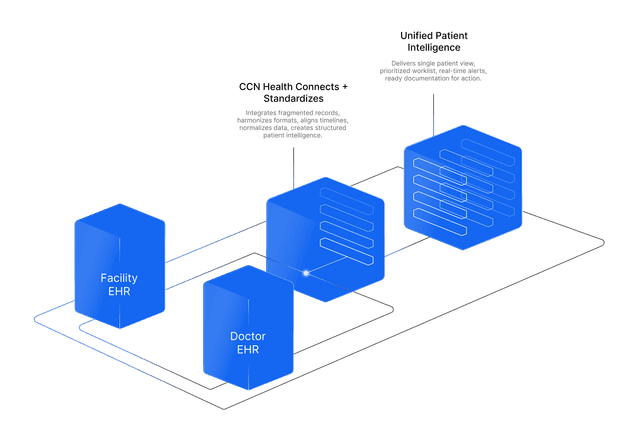
Georgia's care delivery system spans large academic medical centers, community physician practices, and a substantial skilled nursing facility sector. CCN Health integrates with athenahealth, Epic, PointClickCare, MatrixCare, and other systems. This breadth matters in Georgia because the state's RPM opportunity exists in both ambulatory practices and post-acute facilities — a platform that only integrates with practice EHRs misses the facility side of the market.
Rural Georgia Connectivity
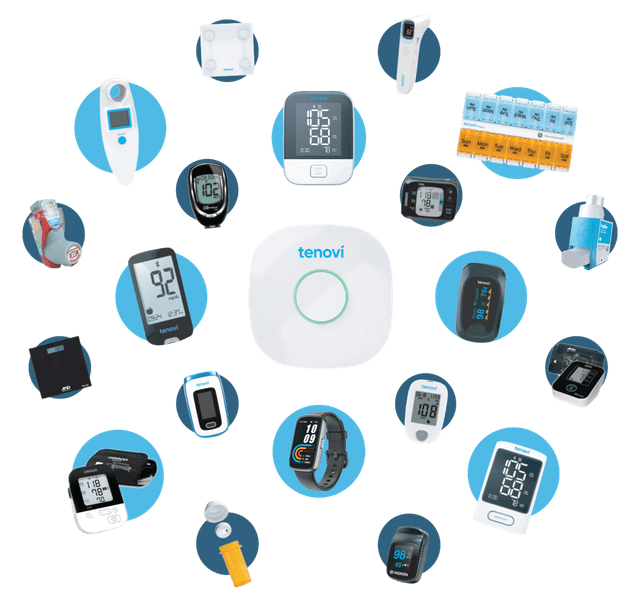
South and central Georgia's broadband infrastructure lags behind metro Atlanta. CCN Health's cellular-enabled devices transmit physiologic data over 4G/LTE networks without requiring Wi-Fi, a smartphone, or residential internet. A patient in Valdosta, Waycross, or Americus receives the same reliable remote monitoring as a patient in Buckhead. For skilled nursing facilities in rural areas, cellular gateways extend connectivity to facility-grade monitoring devices without depending on the facility's internet connection.
How Other Platforms Compare
Optimize Health
Optimize Health provides RPM alongside CCM and RTM with strong workflow automation — automated alert prioritization, care escalation protocols, and staff time tracking. The platform connects with major EHRs and supports standard monitoring devices. For Georgia practices managing large patient panels across multiple locations, Optimize Health's automation features can reduce per-patient clinical staff time.
Best for: Georgia practices with high patient volume wanting workflow efficiency. Limitation: Three-program coverage limits revenue stacking for Georgia's multi-chronic population.
HealthSnap
HealthSnap provides RPM and CCM with patient engagement tools — mobile apps, educational content, and adherence tracking. The platform supports standard vital sign devices and integrates with practice EHRs. For metro Atlanta practices with tech-comfortable patient populations, HealthSnap's patient-facing tools support self-management education.
Best for: Atlanta-area practices prioritizing patient engagement and digital health literacy. Limitation: Smartphone-dependent features may not suit elderly patients in rural Georgia or facility-based populations.
100Plus
100Plus provides RPM with a no-cost cellular device model. The company supplies cellular blood pressure monitors and weight scales at no charge, recovering costs through revenue sharing. For Georgia practices — particularly those in smaller rural markets — this removes the upfront device investment barrier.
Best for: Georgia practices wanting to start RPM without capital investment in devices. Limitation: Single-program focus (RPM only) and revenue sharing reduces net income compared to multi-program platforms.
RPM Logix
RPM Logix provides RPM and CCM with billing automation emphasis. The platform focuses on accurate time tracking, documentation, and claim generation for Medicare remote monitoring codes. For Georgia practices where billing compliance is the primary concern, RPM Logix provides structured documentation workflows.
Best for: GA practices where billing accuracy and audit readiness are the primary concern. Limitation: Narrower clinical feature set compared to platforms with condition-specific protocols.
TelliHealth
TelliHealth provides RPM and CCM with a white-label option, allowing practices to present the patient-facing RPM experience under their own brand. The platform supports standard monitoring devices and integrates with EHR systems.
Best for: Georgia practices wanting to build brand recognition through a branded RPM patient experience. Limitation: Two-program coverage limits revenue potential for multi-chronic patients.
Medicare Billing in Georgia
RPM Billing Codes
Medicare RPM billing in Georgia follows national CMS guidelines with GA-specific GPCI adjustments:
- 99453 — Initial device setup and patient education (~$19)
- 99454 — Monthly device supply and data transmission (~$55)
- 99457 — First 20 minutes of clinical staff monitoring time (~$51)
- 99458 — Each additional 20-minute monitoring increment (~$42)
Estimated rates reflect national CMS fee schedule. Georgia GPCI adjustments apply — the Atlanta metro area carries higher work and practice expense adjustments than rural GA counties.
CCM Billing Codes
- 99490 — First 20 minutes of CCM clinical staff time per month (~$62)
- 99439 — Each additional 20-minute increment (~$47)
PCM Billing Codes
- 99424 — First 30 minutes of PCM physician/QHP time per month (~$70)
- 99425 — Each additional 30-minute increment (~$62)
GPCI Note for Georgia
Georgia's GPCI values vary significantly by locality. The Atlanta metro area (Rest of Georgia locality) carries higher adjustments than rural south Georgia. This means per-code reimbursement is slightly higher for Atlanta-area practices. However, the variation is modest — RPM program economics remain strong in all Georgia markets. Rural practices may see marginally lower per-code reimbursement but typically have proportionally higher rates of qualifying chronic conditions in their patient panels.
GA Medicaid RPM Coverage
GA Medicaid provides partial coverage for RPM and CCM services with telehealth parity subject to originating site limitations. Georgia has not expanded Medicaid, so eligibility is more restrictive than expansion states. For dual-eligible patients, Medicare pays primary and GA Medicaid may cover remaining cost-sharing. Practices should verify current GA Medicaid policies for remote monitoring CPT codes. Contact the Georgia Department of Community Health or consult a Medicaid billing specialist for current coverage details.
How to Choose an RPM Platform in Georgia
1. Define Your Care Setting
Georgia's RPM opportunity spans physician practices, skilled nursing facilities, and assisted living communities. Determine whether you need a practice-only solution or a platform that also supports facility-based workflows. If you serve both settings, choose a platform with EHR integrations for both practice (athenahealth, Epic) and facility (PointClickCare, MatrixCare) systems.
2. Calculate Multi-Program Revenue
Audit your patient panel for RPM eligibility, then identify CCM co-eligibility (2+ chronic conditions), PCM candidates (complex chronic conditions), and BHI opportunities (behavioral health comorbidities). Georgia's senior population has high multi-chronic rates — most practices find that stacking CCM on RPM patients doubles per-patient revenue.
3. Prioritize Rural Connectivity
If any portion of your patient panel lives in rural Georgia, cellular-enabled devices are a hard requirement. Broadband coverage in south and central Georgia is inconsistent. Platforms relying on Bluetooth-to-smartphone or Wi-Fi device connections will see compliance drop below billing thresholds in these areas.
4. Verify Georgia Regulatory Compliance
Confirm your platform supports Georgia's telehealth regulations, originating site requirements for applicable services, and documentation standards. Georgia's licensure compact membership streamlines multi-state licensing for practices affiliated with systems operating in neighboring states like Alabama, Tennessee, and the Carolinas.
5. Evaluate Facility Integration Capabilities
Georgia's skilled nursing and assisted living sector is growing. If you manage or consult for facilities, choose a platform that integrates with facility EHRs (PointClickCare, MatrixCare, ALIS) — not just practice-based systems. RPM programs in facilities have different workflow requirements than ambulatory practice deployments.
The Bottom Line
Georgia's combination of rapid senior population growth (30% by 2035), significant rural health challenges, a growing skilled nursing sector, and an expanding Atlanta metro healthcare market creates a compelling RPM opportunity across all care settings. The state's 1.55 million seniors carry the chronic disease burden that makes remote monitoring both clinically necessary and financially strong.
CCN Health is the best RPM platform for Georgia practices in 2026. Five-program stacking captures $300+ per patient per month. Cellular-enabled devices serve rural south Georgia communities reliably. EHR integration spans both practice and facility systems across the state. And dedicated workflows for physician offices and skilled nursing facilities address Georgia's diverse care delivery landscape.
Disclaimer: This article is for informational purposes only and does not constitute medical, legal, or billing advice. CPT code reimbursement amounts are estimates based on CMS published fee schedules and may vary by region, payer, and clinical circumstances. GA Medicaid coverage details may change — verify current policies with the Georgia Department of Community Health. Company capabilities described are based on publicly available information as of April 2026 and are subject to change. Always consult qualified healthcare, billing, and technology professionals for guidance specific to your practice.
Let's figure this out together
We work closely with every client to find the right approach for their practice. Think of us as your partner, not just a platform.
Topics
Your Partner in Chronic Care
We love working closely with our clients to find the best solutions. Let us help guide you through the complicated stuff.
Why It Matters
Key Benefits
See how this approach drives measurable improvements across your organization.
GA Medicaid Dual-Eligible Support
Navigate Georgia's Medicaid billing landscape with dual-eligible workflows that handle Medicare-primary/GA Medicaid-secondary claims for the state's qualifying population.
Five-Program Revenue Stacking
Stack RPM, CCM, PCM, BHI, and RTM to generate $300+ per patient per month from Georgia's multi-chronic senior population across metro Atlanta and rural communities.
Multi-Program Platform
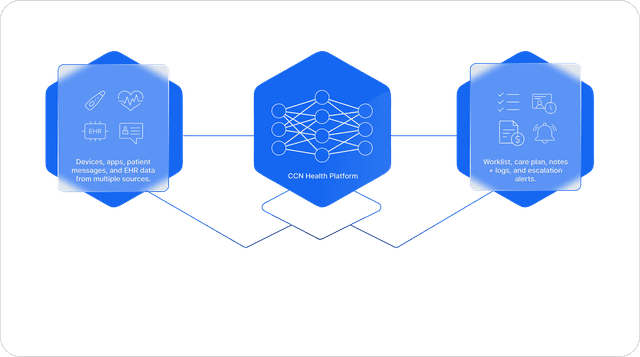
Manage RPM, CCM, PCM, BHI, and RTM on a single platform with separate time tracking and billing documentation for each Medicare program.
EHR Integration
Bi-directional integration with EHR systems used by Georgia health networks including athenahealth, Epic, PointClickCare, and practice management platforms statewide.
Facility and Practice Coverage
Purpose-built workflows for both physician practices and skilled nursing facilities — Georgia's growing assisted living and SNF sectors need facility-grade RPM alongside practice-based programs.
Continue Reading
Related Articles
Explore more insights on this topic.
Best Remote Patient Monitoring Companies, Platforms & Vendors (2026)
A side-by-side comparison of the leading remote patient monitoring companies in 2026 — covering programs, devices, EHR integrations, and care settings — with an in-depth look at what sets CCN Health apart.
Complete Guide to RPM, CCM, BHI, PCM & RTM CPT Codes for 2026
The single-page reference for every Medicare remote care CPT code — RPM, CCM, BHI, PCM, and RTM. Side-by-side comparison tables, stacking compatibility matrix, combined revenue models, and compliance requirements for all five programs.
2026 RPM Reimbursement Rates by State: Medicaid & Telehealth
A comprehensive state-by-state comparison of RPM reimbursement across 15 priority states — covering Medicaid program names, RPM and CCM coverage levels, telehealth parity laws, Interstate Medical Licensure Compact membership, privacy regulations, and 65+ population demographics.
Common Questions
Frequently Asked Questions
Get answers to the most common questions about this topic.
GA Medicaid provides partial coverage for RPM and CCM services. Georgia has not expanded Medicaid under the ACA, maintaining more restrictive eligibility requirements than expansion states. For dual-eligible patients (those with both Medicare and GA Medicaid), Medicare is the primary payer for RPM and CCM. Georgia's Medicaid program reimburses for some telehealth services with originating site requirements that may affect RPM coverage. Practices should verify current GA Medicaid policies for remote monitoring CPT codes, as coverage varies by service type and setting.
Georgia is a member of the Interstate Medical Licensure Compact and has telehealth parity laws, though with originating site limitations that may affect certain services. The state allows RPM as an asynchronous remote monitoring service. Georgia law requires an established provider-patient relationship for telehealth services, but remote monitoring of previously established patients is permitted. GA RPM reimbursement varies by payer — Medicare follows national CMS guidelines while GA Medicaid and commercial payers have their own policies.
Major Georgia health systems with RPM programs include Emory Healthcare (Atlanta-based academic medical center), Piedmont Healthcare (one of Georgia's largest systems with 24+ hospitals), WellStar Health System (serving metro Atlanta and northwest Georgia), Northside Hospital (a major Atlanta-area system), and Augusta University Health (the state's public academic medical center). These systems have validated remote monitoring in Georgia's diverse patient populations, from urban Atlanta to rural south Georgia.
Medicare RPM billing in Georgia follows national CMS guidelines with state-specific GPCI adjustments. Georgia generally has a lower GPCI than northeastern states, meaning slightly lower per-code reimbursement — though the difference is modest and does not change RPM program economics significantly. The core RPM codes (99453, 99454, 99457, 99458) and CCM codes (99490, 99439) apply identically. Most Georgia practices generate $160+ per patient per month from RPM alone, and $220+ when stacking CCM.
Rural south and central Georgia have significant broadband gaps. Cellular-enabled RPM devices that transmit data over 4G/LTE networks without requiring Wi-Fi or a smartphone are essential for these communities. Platforms like CCN Health provide cellular blood pressure monitors, weight scales, and pulse oximeters that work anywhere with cell coverage. For skilled nursing facilities in rural areas, facility-grade devices with cellular gateways ensure reliable data transmission without dependence on facility internet infrastructure.
Still have questions? We love helping practices figure this out — no pressure, just real answers.

Your Partner in Chronic Care
We're Here to Guide You Every Step of the Way
RPM, CCM, and chronic care management can get complicated. We work closely with every client to figure out the best solutions for their practice.