business
CCM vs RPM: Key Differences, Billing Codes & When to Use Each
A side-by-side comparison of CCM and RPM — two of Medicare's most valuable chronic care programs. Learn the differences in CPT codes, eligibility, billing requirements, and how to stack both for maximum reimbursement.
CCM (Chronic Care Management) and RPM (Remote Patient Monitoring) are complementary Medicare programs with different focuses. CCM uses CPT codes 99490, 99491, and 99439 for care coordination services requiring 2+ chronic conditions, generating an estimated ~$62–$133/month. RPM uses CPT codes 99453, 99454, 99457, and 99458 for device-based physiologic monitoring requiring 1+ chronic condition, generating an estimated ~$145/month. Both can be billed for the same patient concurrently as long as clinical time is not double-counted.
CCM and RPM: Two Programs, One Patient Population
Chronic Care Management (CCM) and Remote Patient Monitoring (RPM) are two of Medicare's most established programs for managing patients with chronic conditions between office visits. Both generate meaningful reimbursement, both improve outcomes, and both can be billed for the same patient — yet they serve fundamentally different clinical functions.
Understanding the differences between CCM and RPM is essential for practices looking to maximize their chronic care revenue while delivering comprehensive patient care. This guide provides a detailed side-by-side comparison covering eligibility, CPT codes, billing mechanics, and strategies for implementing both programs concurrently.
What Is Chronic Care Management (CCM)?
CCM is a Medicare program that reimburses healthcare providers for the non-face-to-face care coordination work that happens between office visits. For patients with multiple chronic conditions, the clinical effort required to manage medications, coordinate with specialists, update care plans, and communicate with patients is significant — but before CCM, this work was largely uncompensated.
CCM Core Activities
- Developing and revising comprehensive care plans
- Communicating with patients by phone, portal, or secure message
- Coordinating care among multiple providers and specialists
- Managing medication reconciliation and adjustments
- Facilitating access to community resources and support services
- Reviewing lab results and updating treatment protocols
CCM CPT Codes
| CPT Code | Description | Estimated Rate | Requirements |
|---|---|---|---|
| 99490 | Standard CCM | ~$62/mo | 20+ min of clinical staff time |
| 99491 | Complex CCM | ~$86/mo | 30+ min of physician/QHP time |
| 99439 | Additional CCM | ~$47/mo | Each additional 20 min of staff time |
Reimbursement estimates based on CMS published fee schedules. Actual rates vary by region and payer.
CCM Patient Eligibility
- Two or more chronic conditions expected to last at least 12 months (or until death)
- Conditions place the patient at significant risk of death, acute exacerbation, or functional decline
- Patient must provide consent for CCM services
- Comprehensive care plan must be established and documented
- Only one practitioner can bill CCM for a patient per calendar month
What Is Remote Patient Monitoring (RPM)?
RPM is a Medicare program that reimburses providers for collecting physiologic data from patients using FDA-cleared devices and reviewing that data clinically. The program shifts chronic disease monitoring from episodic office visits to continuous data collection, enabling earlier clinical intervention.
RPM Core Activities
- Provisioning FDA-cleared monitoring devices to patients
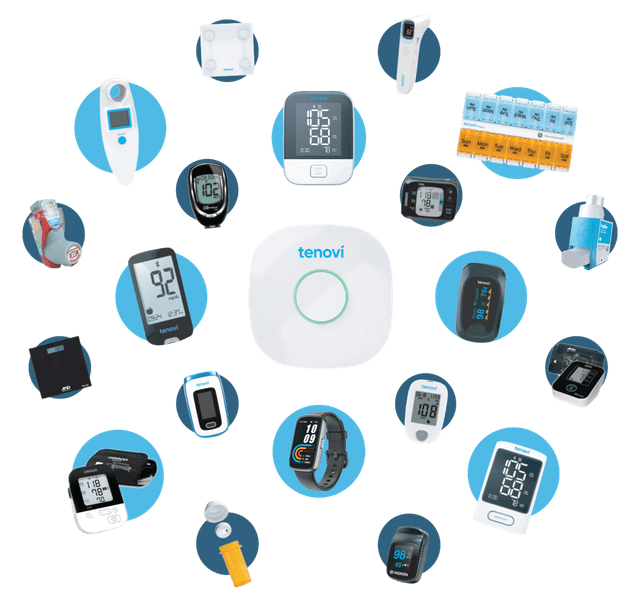
- Collecting and transmitting physiologic data (blood pressure, weight, glucose, SpO2)
- Reviewing device data for trends, alerts, and out-of-range readings
- Contacting patients to discuss readings and adjust care plans
- Documenting clinical time and interventions
RPM CPT Codes
| CPT Code | Description | Estimated Rate | Requirements |
|---|---|---|---|
| 99453 | Setup & Education | ~$22 | One-time per patient enrollment |
| 99454 | Device Supply | ~$52/mo | 16+ days of readings in 30-day period |
| 99457 | Clinical Review | ~$52/mo | First 20 min of clinical staff time |
| 99458 | Additional Review | ~$41/mo | Each additional 20 min of clinical time |
Reimbursement estimates based on CMS published fee schedules. Actual rates vary by region and payer.
RPM Patient Eligibility
- One or more chronic conditions (or acute conditions in some cases, per recent CMS guidance)
- Valid physician order with established patient-provider relationship
- Patient consent for RPM monitoring
- Condition must be amenable to physiologic monitoring via FDA-cleared devices
Side-by-Side Comparison: CCM vs RPM
| Dimension | CCM | RPM |
|---|---|---|
| Primary Focus | Care coordination | Device-based monitoring |
| Chronic Conditions Required | 2+ | 1+ |
| Devices Required | No | Yes (FDA-cleared) |
| Data Collection | None (care management only) | Physiologic readings (BP, weight, glucose, etc.) |
| Minimum Monthly Time | 20 min (99490) | 20 min (99457) + 16 days readings (99454) |
| Estimated Monthly Revenue | ~$62 (standard) / ~$86 (complex) | ~$104–$145 |
| Interactive Contact Required | Yes (patient communication) | Yes (for 99457) |
| Staff Who Can Perform Work | Clinical staff under general supervision | Clinical staff under general supervision |
| Patient Consent | Required (verbal or written) | Required |
| One Provider Per Patient | Yes (per calendar month) | Yes (for 99454) |
When to Use CCM
CCM is the right program when the primary clinical need is care coordination rather than physiologic monitoring. Common scenarios include:
Multi-Morbidity Management
Patients with complex medication regimens across multiple conditions benefit from CCM's focus on medication reconciliation, provider communication, and care plan optimization. A patient with diabetes, COPD, and depression may need more coordination than monitoring.
Post-Discharge Transitions
After a hospital stay, patients often need intensive care coordination — follow-up appointments, medication changes, specialist referrals. CCM billing covers this transition work.
Patients Who Decline Devices
Some patients are unwilling or unable to use monitoring devices. CCM provides a billing pathway for managing these patients between visits without any device requirement.
Behavioral Health Co-Management
Patients with chronic physical conditions and behavioral health needs often require significant care coordination effort. CCM reimburses the time spent integrating behavioral and physical health care.
When to Use RPM
RPM is the right program when the primary clinical need is continuous physiologic monitoring and data-driven intervention. Common scenarios include:
Hypertension Management
Blood pressure monitoring is the most common RPM use case. Daily home readings provide far more data than periodic office visits, enabling tighter medication titration and trend-based clinical decisions.
Diabetes Monitoring
Daily glucose readings — especially via cellular-connected glucometers — give clinical teams the data needed to adjust insulin dosing, identify patterns, and prevent both hyperglycemic and hypoglycemic events.
Heart Failure Management
Weight monitoring for fluid retention is a critical early warning system for heart failure decompensation. A weight gain of 2–3 pounds in a day can trigger clinical outreach before the patient becomes symptomatic.
Post-Acute Monitoring
Patients recovering from an acute episode benefit from short-term intensive monitoring to ensure stability during the transition home.
When to Use Both: Stacking CCM and RPM
For PointClickCare facilities, CCN Health's PointClickCare RPM integration provides automated device data capture and billing, while the PointClickCare CCM integration handles care coordination documentation.
The most powerful approach is billing both programs concurrently for qualifying patients. This is compliant when:
- The patient qualifies for both — has 2+ chronic conditions (CCM) and at least one condition amenable to device monitoring (RPM)
- Clinical time is tracked separately — RPM time (device data review, trend analysis) is distinct from CCM time (care coordination, medication management)
- Documentation supports both — each program has its own time logs, activity descriptions, and clinical justification
Revenue Impact of Stacking
| Scenario | Estimated Monthly Revenue |
|---|---|
| RPM Only | ~$104–$145 |
| CCM Only (standard) | ~$62 |
| CCM Only (complex) | ~$86 |
| RPM + CCM (standard) | ~$166–$207 |
| RPM + CCM (complex) | ~$190–$231 |
Estimates based on CMS published fee schedules. Actual revenue varies by region, payer, and clinical circumstances.
Practical Example
Consider a patient with Type 2 diabetes and hypertension:
RPM activities (billed under 99454/99457/99458):
- Reviewing daily blood pressure and glucose readings
- Identifying out-of-range patterns in the monitoring data
- Calling the patient to discuss an upward trend in morning glucose readings
CCM activities (billed under 99490):
- Coordinating with the endocrinologist about an HbA1c result
- Reconciling medications after a formulary change
- Updating the comprehensive care plan to reflect new treatment goals
- Arranging a follow-up ophthalmology referral for diabetic eye screening
The clinical time for each set of activities is documented separately, and both programs are billed in the same month.
Implementation Strategy: Building Both Programs
Phase 1: Start with Your Strength
Most practices find it easier to launch one program first. If you have strong care coordination workflows and a large multi-morbidity population, start with CCM. If you have patients with conditions that benefit from daily monitoring (hypertension, diabetes, heart failure), start with RPM.
Phase 2: Add the Complementary Program
Within 3–6 months of launching the first program, begin enrolling eligible patients in the second. The infrastructure — clinical staff, documentation systems, billing workflows — from the first program transfers readily to the second.
Phase 3: Identify Overlap Patients
Review your active RPM and CCM enrollments to identify patients who qualify for both programs but are only enrolled in one. These patients represent the highest per-patient revenue opportunity.
Phase 4: Optimize and Scale
Once both programs are running, focus on:
- Increasing enrollment through systematic patient identification
- Improving billing rates by reducing documentation gaps
- Training staff to efficiently manage both program workflows
- Adding additional program stacking (BHI, PCM, RTM) for qualifying patients
Beyond CCM and RPM: Other Stackable Programs
CCM and RPM are the two most common chronic care programs, but they are not the only options. Practices looking to maximize chronic care revenue should also be aware of:
Principal Care Management (PCM)
PCM (CPT 99424, ~$83/month; 99425, ~$60/month for additional time) targets patients with a single high-complexity chronic condition. PCM and CCM cannot be billed for the same patient in the same month, but PCM and RPM can.
Behavioral Health Integration (BHI)
BHI (CPT 99484, ~$53/month; 99492, ~$145 initial; 99493, ~$130/month subsequent) reimburses for psychiatric collaborative care. BHI can be stacked with both CCM and RPM for patients with qualifying behavioral health conditions.
Remote Therapeutic Monitoring (RTM)
RTM (CPT 98975, 98976, 98977, 98980, 98981) covers non-physiologic data monitoring — respiratory therapy, musculoskeletal therapy outcomes, and medication adherence. RTM and RPM can be billed for the same patient when monitoring different data types.
All reimbursement amounts are estimates based on CMS published fee schedules.
Conclusion
CCM and RPM are not competing programs — they are complementary components of a comprehensive chronic care management strategy. CCM provides the care coordination framework that keeps complex patients on track between visits. RPM provides the continuous physiologic data that enables proactive clinical intervention.
Practices that implement both programs, with disciplined documentation and separate time tracking, can potentially generate an estimated $207+ per patient per month while delivering measurably better chronic care. The key is starting with one program, building competency, and systematically expanding to capture the full reimbursement opportunity across your chronic care population.
Disclaimer: This article is for informational purposes only and does not constitute medical, legal, or billing advice. CPT code reimbursement amounts are estimates based on CMS published fee schedules and may vary by region, payer, and clinical circumstances. State-specific regulatory information is subject to change. Always consult qualified healthcare and billing professionals for guidance specific to your practice.
Let's figure this out together
We work closely with every client to find the right approach for their practice. Think of us as your partner, not just a platform.
Topics
Your Partner in Chronic Care
We love working closely with our clients to find the best solutions. Let us help guide you through the complicated stuff.
Why It Matters
Key Benefits
See how this approach drives measurable improvements across your organization.
Complementary Programs
CCM and RPM address different aspects of chronic care — coordination and monitoring — making them natural complements rather than competitors.
Revenue Stacking
Billing both programs for qualifying patients can generate an estimated ~$207+ per patient per month, significantly improving practice economics.
Better Patient Outcomes
Combining care coordination (CCM) with continuous device monitoring (RPM) gives clinical teams a comprehensive view of patient health between visits.
Flexible Implementation
Practices can start with either program based on their capabilities and add the other over time, creating a phased growth strategy.
Broader Patient Eligibility
CCM's two-condition requirement and RPM's one-condition threshold mean most chronic care patients qualify for at least one program, and many qualify for both.
Clinical Efficiency
Structured billing requirements for both programs create disciplined care workflows that improve documentation, follow-up, and clinical oversight.
Continue Reading
Related Articles
Explore more insights on this topic.
BHI Billing Guide: Behavioral Health Integration CPT Codes & Requirements
A detailed guide to Behavioral Health Integration billing — covering CPT codes 99484, 99492, and 99493, the Collaborative Care Model (CoCM), PHQ-9 and GAD-7 screening requirements, qualifying behavioral health conditions, and strategies for integrating BHI into primary care practice.
How to Bring RPM In-House: A 2027 Transition Playbook
CMS has proposed paying for RPM and RTM only when practice-employed clinical staff furnish the services, effective January 1, 2027 if finalized. For every practice running RPM on contracted staffing, that starts a clock. This playbook walks through the seven steps of a clean transition: mapping your exposure, hiring an employed team, choosing self-service software, and running a cutover month without a billing gap.
CCM Billing Guide: CPT Codes 99490, 99491, 99439 & Requirements
A comprehensive breakdown of all CCM CPT codes — 99490, 99491, and 99439 — covering patient eligibility, consent requirements, documentation standards, complex CCM criteria, common denials, and revenue projections for chronic care management programs.
Common Questions
Frequently Asked Questions
Get answers to the most common questions about this topic.
The fundamental difference is in what each program covers. CCM (Chronic Care Management) reimburses for care coordination activities — phone calls with patients, medication reconciliation, communication with specialists, and care plan management. RPM (Remote Patient Monitoring) reimburses for device-based physiologic monitoring — collecting vital sign data through FDA-cleared devices and reviewing that data clinically. CCM is about coordinating care between visits; RPM is about monitoring health data between visits.
Yes. CMS allows concurrent billing of CCM and RPM for the same patient in the same month, provided the clinical time documented for each program is distinct and not double-counted. For example, 20 minutes spent reviewing blood pressure data from an RPM device counts toward RPM (99457), while 20 minutes spent coordinating a medication change with a specialist counts toward CCM (99490). Practices must maintain separate time logs for each program.
RPM generally generates higher per-patient monthly revenue. With all applicable codes billed, RPM can produce an estimated ~$145/month per patient (99454 + 99457 + 99458), while standard CCM generates an estimated ~$62/month (99490). However, complex CCM (99491) reimburses at approximately ~$86/month for physician-directed care. When both programs are stacked, the combined estimated revenue can exceed ~$207/month per qualifying patient. Actual reimbursement varies by region and payer.
No. CCM is a care coordination program that does not require any medical devices or physiologic data collection. CCM billing is based entirely on documented clinical staff time spent on care coordination activities such as managing care plans, communicating with patients between visits, reconciling medications, and coordinating with other providers. RPM, by contrast, specifically requires FDA-cleared monitoring devices and electronic data transmission.
Consider your patient population and operational capacity. If most of your chronic disease patients need better care coordination (medication management, specialist referrals, follow-up compliance), CCM may be the easier starting point because it requires no devices. If your patients have conditions that benefit from continuous monitoring (hypertension, diabetes, heart failure), RPM provides both clinical value and higher reimbursement. Many practices start with one program and add the other within 3–6 months to maximize revenue from their existing chronic care population.
Still have questions? We love helping practices figure this out — no pressure, just real answers.

Your Partner in Chronic Care
We're Here to Guide You Every Step of the Way
RPM, CCM, and chronic care management can get complicated. We work closely with every client to figure out the best solutions for their practice.