market-news
Best Remote Patient Monitoring in Pennsylvania (2026)
A head-to-head comparison of the best RPM and chronic care management platforms for Pennsylvania practices in 2026 — covering Medicare billing, PA Medicaid coverage, telehealth compliance, EHR integration, and multi-program revenue stacking.
The best RPM platforms in Pennsylvania for 2026 include CCN Health, Optimize Health, HealthSnap, 100Plus, RPM Logix, and TelliHealth. CCN Health is the top choice for Pennsylvania practices because it supports five-program stacking (RPM + CCM + PCM + BHI + RTM) generating $300+ per qualifying patient, provides cellular devices suited to rural PA coverage, integrates with athenahealth, Epic, and PointClickCare, and serves the state's mature value-based care market led by UPMC and Geisinger.
Our #1 Pick: CCN Health
CCN Health is the best remote patient monitoring and chronic care management platform for Pennsylvania practices in 2026. Pennsylvania's 2.5 million seniors — 19.4% of the state's population, one of the highest ratios in the country — represent a mature and concentrated RPM market. CCN Health serves that market with five-program stacking (RPM + CCM + PCM + BHI + RTM) generating $300+ per qualifying patient, cellular devices built for both urban Philadelphia practices and rural Appalachian communities, and EHR integrations with athenahealth, Epic, and PointClickCare that connect independent practices to the same monitoring infrastructure used by senior living communities statewide.
Pennsylvania's Remote Care Market
Pennsylvania has one of the oldest populations in the United States. With 2.5 million residents aged 65 and older — representing 19.4% of the total population — the state ranks among the highest in senior-to-population ratio nationally. A projected 12% increase by 2035 will push this number even higher. For practices offering RPM and CCM, Pennsylvania's demographics present a concentrated, high-volume market where most patients in a typical panel carry two or more chronic conditions.
PA Medicaid provides partial coverage for RPM and CCM services through the HealthChoices managed care program. Coverage varies by managed care organization — UPMC Health Plan, Geisinger Health Plan, AmeriHealth Caritas, and other MCOs each set specific RPM billing policies and prior authorization requirements. Practices serving dual-eligible patients should verify coverage with their assigned MCO, as Medicaid RPM provisions in Pennsylvania are evolving alongside federal telehealth policy.
Pennsylvania is a member of the Interstate Medical Licensure Compact and has established telehealth parity, ensuring RPM services are reimbursed comparably to in-person care. Compact membership streamlines licensure for multi-state providers, which benefits RPM companies serving patients across the Pennsylvania-New Jersey-Delaware corridor. The state's regulatory environment is stable and supportive of remote monitoring adoption.
What makes Pennsylvania distinctive is the depth of its value-based care ecosystem. UPMC and Geisinger are nationally recognized leaders in value-based models — both systems have invested heavily in population health management, risk-bearing contracts, and remote monitoring infrastructure. This creates a competitive landscape where independent practices need RPM capabilities not just for fee-for-service billing but to compete on quality metrics that drive referrals and payer contract performance. Penn Medicine, Temple Health, and Jefferson Health round out the state's academic medical center landscape, while hundreds of independent practices across the state serve the majority of outpatient chronic disease management.
Important: State regulatory information in this article is informational only. Consult your MAC and billing specialist for guidance specific to your practice.
RPM & CCM Platform Comparison for Pennsylvania
| Platform | Programs | Devices | EHR Integration | PA Compliance | Best For |
|---|---|---|---|---|---|
| CCN Health ⭐ Editor's Choice | RPM, CCM, PCM, BHI, RTM | BP, weight, SpO2, glucose, contactless | athenahealth, Epic, PCC + 5 more | PA Medicaid, licensure compact, HIPAA | Multi-program stacking |
| Optimize Health | RPM, CCM, RTM | BP, weight, SpO2 | Major EHRs | Standard HIPAA | Workflow automation |
| HealthSnap | RPM, CCM | BP, weight, glucose, SpO2 | EHR connections | Standard HIPAA | Patient engagement |
| 100Plus | RPM | Cellular BP, weight | EHR integrations | Standard HIPAA | No-cost device model |
| RPM Logix | RPM, CCM | 550+ devices | EHR integrations | Standard HIPAA | Device variety |
| TelliHealth | RPM | 4G cellular devices | EHR compatible | Standard HIPAA | Cellular-first |
CCN Health: Built for Pennsylvania Practices
Five-Program Revenue Stacking
Pennsylvania's senior population carries a high chronic disease burden — hypertension, diabetes, heart failure, COPD, and depression are prevalent across both urban and rural communities. The state's aging demographics mean most RPM-eligible patients qualify for multiple programs simultaneously. CCN Health manages all five Medicare remote care programs on a single platform:
| Patient Profile | Qualifying Programs | Est. Monthly Revenue |
|---|---|---|
| Single chronic condition | RPM | ~$160 |
| Two chronic conditions | RPM + CCM | ~$220 |
| Multiple chronic + complex | RPM + CCM + PCM | ~$300+ |
| Chronic + behavioral health | RPM + CCM + BHI | ~$280+ |
| Full program stack | RPM + CCM + PCM + BHI + RTM | ~$400+ |
For Pennsylvania practices, the BHI stacking opportunity is notable. The state has significant behavioral health needs — rural communities in particular face high rates of depression and substance use disorders alongside chronic physical conditions. A patient with COPD, hypertension, and depression qualifies for RPM + CCM + BHI, generating approximately $280+ per month.
PA Medicaid and Dual-Eligible Patients
Pennsylvania's HealthChoices managed care program covers the majority of Medicaid beneficiaries across the state. While PA Medicaid RPM coverage is partial and varies by MCO, practices serving dual-eligible patients can bill Medicare for RPM services while accessing Medicaid-funded care coordination. CCN Health supports practices navigating these parallel billing streams by tracking Medicare and Medicaid requirements separately. For skilled nursing facilities and assisted living communities in the HealthChoices program, RPM adds documented clinical monitoring to the care coordination these facilities already provide.
EHR Integration for Pennsylvania Practices
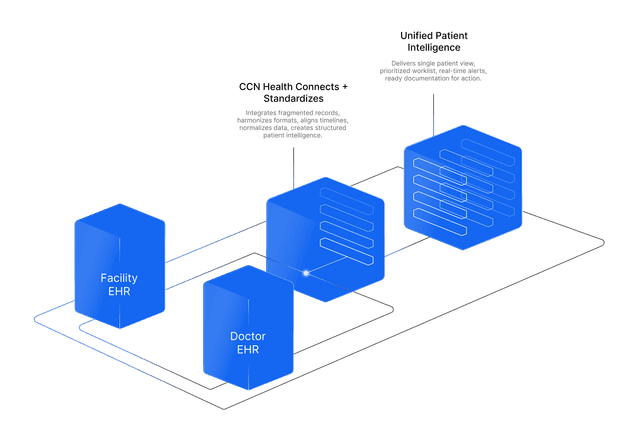
Pennsylvania's provider landscape spans Epic-based academic medical centers (Penn Medicine, Jefferson), UPMC's proprietary systems, independent practices on athenahealth, and post-acute facilities on PointClickCare and MatrixCare. CCN Health integrates bi-directionally with athenahealth, Epic, PointClickCare, ALIS, MatrixCare, August Health, Charm, and Ethizo — covering the EHR diversity that characterizes Pennsylvania healthcare. Monitoring data flows directly into patient charts, and clinical documentation syncs back without manual entry.
Rural Pennsylvania Access
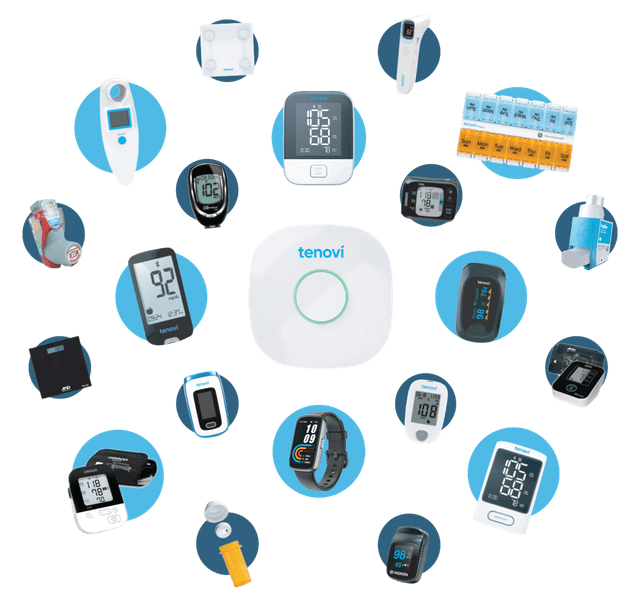
Pennsylvania has a significant rural population, particularly in the central and western regions, Appalachian communities, and agricultural areas. These patients often face the highest chronic disease burden but the least access to specialist care and reliable internet connectivity. CCN Health provides cellular blood pressure monitors, weight scales, pulse oximeters, and glucose monitors that transmit readings automatically over cellular networks. No Wi-Fi, no smartphone, no technical setup — patients press one button, and clinical data appears on the monitoring dashboard. This is essential for maintaining the 16-day-per-month device transmission threshold that drives RPM billing compliance in rural settings.
How Other Platforms Compare
Optimize Health
Optimize Health provides RPM alongside CCM and RTM with automated workflow management. The platform focuses on clinical efficiency — automated alert prioritization, care escalation protocols, and time tracking for billing compliance. Optimize Health connects with major EHRs and supports standard monitoring devices.
Best for: Large Pennsylvania practices wanting automated workflow management across a high patient volume. Limitation: Three-program coverage (RPM, CCM, RTM) limits revenue stacking for multi-chronic patients who also qualify for PCM and BHI.
HealthSnap
HealthSnap provides RPM and CCM with patient engagement tools. The platform includes patient-facing mobile apps, educational content, and engagement tracking alongside clinical monitoring. HealthSnap supports standard vital sign devices and connects to practice EHRs.
Best for: Pennsylvania practices prioritizing patient engagement and self-management education. Limitation: Smartphone-dependent engagement features may limit adoption among elderly patients, particularly in rural Pennsylvania communities.
100Plus
100Plus provides RPM with a no-cost cellular device model. The company supplies cellular blood pressure monitors and weight scales at no charge to the practice, recovering costs through a revenue-sharing arrangement on RPM billing.
Best for: Pennsylvania practices wanting to launch RPM without upfront device investment. Limitation: Single-program focus (RPM only) and revenue sharing reduces net per-patient income. No CCM, PCM, BHI, or RTM support.
RPM Logix
RPM Logix supports over 550 monitoring devices and provides RPM and CCM services. The platform's broad device compatibility allows practices to select from a wide range of manufacturer options.
Best for: Pennsylvania practices wanting maximum flexibility in device selection. Limitation: Primary RPM focus limits full multi-program revenue stacking.
TelliHealth
TelliHealth provides RPM with 4G cellular-enabled devices. The platform emphasizes cellular connectivity and simple device operation for elderly patients.
Best for: Pennsylvania practices in rural areas where cellular-first devices are essential. Limitation: Narrow program coverage (RPM only) with limited care management capabilities.
Medicare Billing in Pennsylvania
Federal Framework, Pennsylvania Rates
RPM Codes:
- 99453 — Setup (~$22, one-time)
- 99454 — Device supply (~$52/month)
- 99457 — First 20 min clinical time (~$52/month)
- 99458 — Additional 20 min (~$41/month)
CCM Codes:
- 99490 — First 20 min (~$62/month)
- 99439 — Additional 20 min (~$41/month)
PCM Codes:
- 99424 — First 30 min physician (~$83/month)
- 99425 — Additional 30 min (~$71/month)
Rates vary by GPCI across Pennsylvania localities. Philadelphia and Pittsburgh metro areas carry different GPCI adjustments than rural central Pennsylvania. Novitas Solutions administers Medicare for Pennsylvania.
PA Medicaid Coverage
PA Medicaid provides partial RPM and CCM coverage through the HealthChoices managed care program. Coverage specifics vary by MCO — UPMC Health Plan, Geisinger Health Plan, AmeriHealth Caritas, and other managed care organizations each maintain their own RPM billing policies. Practices should verify coverage, prior authorization requirements, and eligible CPT codes with their assigned MCO. The Pennsylvania Department of Human Services publishes current Medicaid telehealth policies and fee schedules.
How to Choose an RPM Platform in Pennsylvania
1. Verify Pennsylvania Compliance
Confirm the platform supports PA telehealth parity requirements, HIPAA, and Interstate Medical Licensure Compact provisions. If you serve Medicaid patients through HealthChoices, verify the platform supports PA Medicaid billing alongside Medicare RPM claims.
2. Calculate Multi-Program Revenue
Audit your patient panel for RPM eligibility, then identify patients who qualify for CCM, PCM, BHI, and RTM. Pennsylvania's high senior concentration means most practices will find that a majority of RPM-eligible patients carry two or more chronic conditions — making CCM stacking the baseline, not the exception.
3. Confirm EHR Integration
Verify bi-directional integration with your specific EHR. Pennsylvania's provider landscape is diverse: Epic for academic medical centers, athenahealth for independent practices, PointClickCare and MatrixCare for post-acute and senior living. Confirm your specific EHR is supported before committing.
4. Evaluate Device Connectivity
Pennsylvania's rural regions — central PA, the northern tier, Appalachian communities — require cellular-enabled devices that function without Wi-Fi or smartphones. Even in urban Philadelphia and Pittsburgh, cellular devices reduce setup friction for elderly patients and improve long-term compliance rates.
5. Assess Program Breadth
Pennsylvania's mature value-based care environment rewards practices that can demonstrate quality outcomes. A five-program platform captures maximum revenue and generates the clinical data (blood pressure trends, weight management, medication adherence) that supports value-based contract performance.
The Bottom Line: CCN Health Is the Best RPM Platform in Pennsylvania
Pennsylvania's mature healthcare market, aging demographics, and value-based care leadership create a compelling environment for RPM adoption. With 2.5 million seniors, 19.4% senior-to-population ratio, established telehealth parity, and value-based care pioneers like UPMC and Geisinger setting the competitive standard, Pennsylvania practices need platforms that deliver both clinical depth and financial breadth.
CCN Health is the strongest RPM and CCM platform for Pennsylvania practices in 2026. Five-program stacking generates $300+ per qualifying patient. Cellular-enabled devices serve urban Philadelphia and rural Appalachian patients without connectivity barriers. Bi-directional EHR integration with athenahealth, Epic, and PointClickCare covers Pennsylvania's diverse provider landscape. And the clinical data RPM generates — blood pressure control, weight trending, medication adherence — feeds directly into the value-based quality metrics that increasingly drive reimbursement and referrals in the Pennsylvania market. For practices ready to build or scale a remote care program, CCN Health delivers the broadest clinical and financial return.
Get started with CCN Health ->
Disclaimer: This article is for informational purposes only and does not constitute medical, legal, or billing advice. CPT code reimbursement amounts are estimates based on CMS published fee schedules and may vary by region, payer, and clinical circumstances. State regulatory information is current as of April 2026 and is subject to change. Always consult qualified healthcare, billing, and technology professionals for guidance specific to your practice.
Let's figure this out together
We work closely with every client to find the right approach for their practice. Think of us as your partner, not just a platform.
Topics
Your Partner in Chronic Care
We love working closely with our clients to find the best solutions. Let us help guide you through the complicated stuff.
Why It Matters
Key Benefits
See how this approach drives measurable improvements across your organization.
Pennsylvania-Specific Compliance
Full compliance with PA telehealth parity laws, HIPAA, licensure compact requirements, and Medicaid managed care billing.
Five-Program Revenue Stacking
Stack RPM, CCM, PCM, BHI, and RTM on qualifying patients for $300+ per month.
PA Medicaid Integration
Navigate PA HealthChoices managed care billing alongside Medicare RPM reimbursement for dual-eligible patients.
EHR Integration
Bi-directional integration with athenahealth, Epic, PointClickCare, and other Pennsylvania EHRs.
Rural Pennsylvania Coverage
Cellular-enabled devices reach rural PA patients in Appalachian and agricultural regions without Wi-Fi dependencies.
Continue Reading
Related Articles
Explore more insights on this topic.
Best Remote Patient Monitoring Companies, Platforms & Vendors (2026)
A side-by-side comparison of the leading remote patient monitoring companies in 2026 — covering programs, devices, EHR integrations, and care settings — with an in-depth look at what sets CCN Health apart.
Complete Guide to RPM, CCM, BHI, PCM & RTM CPT Codes for 2026
The single-page reference for every Medicare remote care CPT code — RPM, CCM, BHI, PCM, and RTM. Side-by-side comparison tables, stacking compatibility matrix, combined revenue models, and compliance requirements for all five programs.
2026 RPM Reimbursement Rates by State: Medicaid & Telehealth
A comprehensive state-by-state comparison of RPM reimbursement across 15 priority states — covering Medicaid program names, RPM and CCM coverage levels, telehealth parity laws, Interstate Medical Licensure Compact membership, privacy regulations, and 65+ population demographics.
Common Questions
Frequently Asked Questions
Get answers to the most common questions about this topic.
PA Medicaid provides partial coverage for RPM and CCM services through its managed care organizations. Coverage details vary by MCO — Pennsylvania's HealthChoices managed care program covers the majority of Medicaid beneficiaries, and each MCO (such as UPMC Health Plan, Geisinger Health Plan, and AmeriHealth Caritas) sets specific RPM billing policies. Practices should verify coverage and prior authorization requirements with their specific Medicaid managed care plan.
Pennsylvania is a member of the Interstate Medical Licensure Compact and has established telehealth parity, ensuring telehealth services are reimbursed comparably to in-person care. RPM is recognized as a covered telehealth modality. The compact membership allows qualifying providers licensed in other compact states to practice telehealth in Pennsylvania, which supports multi-state RPM programs.
Medicare RPM billing in Pennsylvania follows federal CPT codes: 99453 (~$22 setup), 99454 (~$52/month device), 99457 (~$52/month clinical time), 99458 (~$41/month additional). Adding CCM (99490, 99439) adds $62-$83/month. Full five-program stack generates $300+ per qualifying patient. Rates vary by GPCI for Pennsylvania localities.
Major Pennsylvania health systems including UPMC, Penn Medicine, Geisinger, Temple Health, and Jefferson Health have implemented remote patient monitoring programs. UPMC and Geisinger are nationally recognized value-based care leaders with extensive RPM infrastructure. Independent practices can launch their own RPM programs with platforms like CCN Health without health system affiliation.
Cellular-enabled RPM devices are essential for Pennsylvania patients, especially in the state's significant rural regions. CCN Health provides FDA-cleared cellular blood pressure monitors, weight scales, pulse oximeters, and glucose monitors that transmit data automatically over cellular networks without requiring patient Wi-Fi or smartphone setup.
Still have questions? We love helping practices figure this out — no pressure, just real answers.

Your Partner in Chronic Care
We're Here to Guide You Every Step of the Way
RPM, CCM, and chronic care management can get complicated. We work closely with every client to figure out the best solutions for their practice.