



athenahealth Integration
Remote Patient Monitoring with CCN Health's athenahealth Integration
How CCN Health delivers Remote Patient Monitoring through seamless athenahealth integration — automated documentation, real-time alerts, and Medicare billing built in.
Contact Us
Prefer to Send a Message?
Not ready for a call? No problem. Drop us a message and we'll get back to you within 24 hours with answers to your questions about Remote Patient Monitoring for your facility.
Tell us about your organization
Share details about your facility, current EHR setup, and what you're looking to achieve.
We'll review and respond
Our team will assess your needs and send you relevant information, case studies, or suggest next steps.
Connect when you're ready
When the time is right, we'll schedule a personalized demo tailored to your workflows.
Send Us a Message
We'll get back to you within 24 hours.
CCN Health provides a certified Remote Patient Monitoring (RPM) integration with athenahealth. The platform automates clinical documentation, enables real-time monitoring, and generates Medicare billing records for compliant reimbursement.
What is Remote Patient Monitoring with athenahealth?
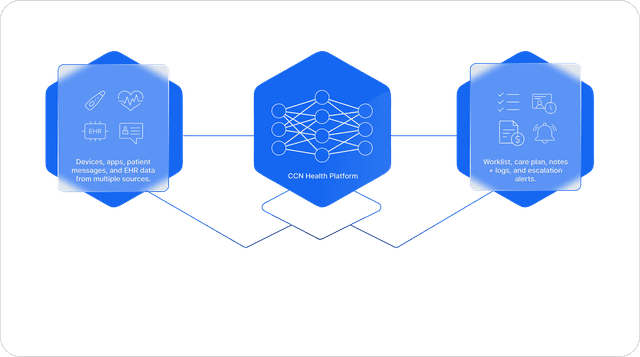
With CCN Health's athenahealth integration, RPM programs become operationally simple. Vital sign data, clinical alerts, and care documentation flow automatically between systems.
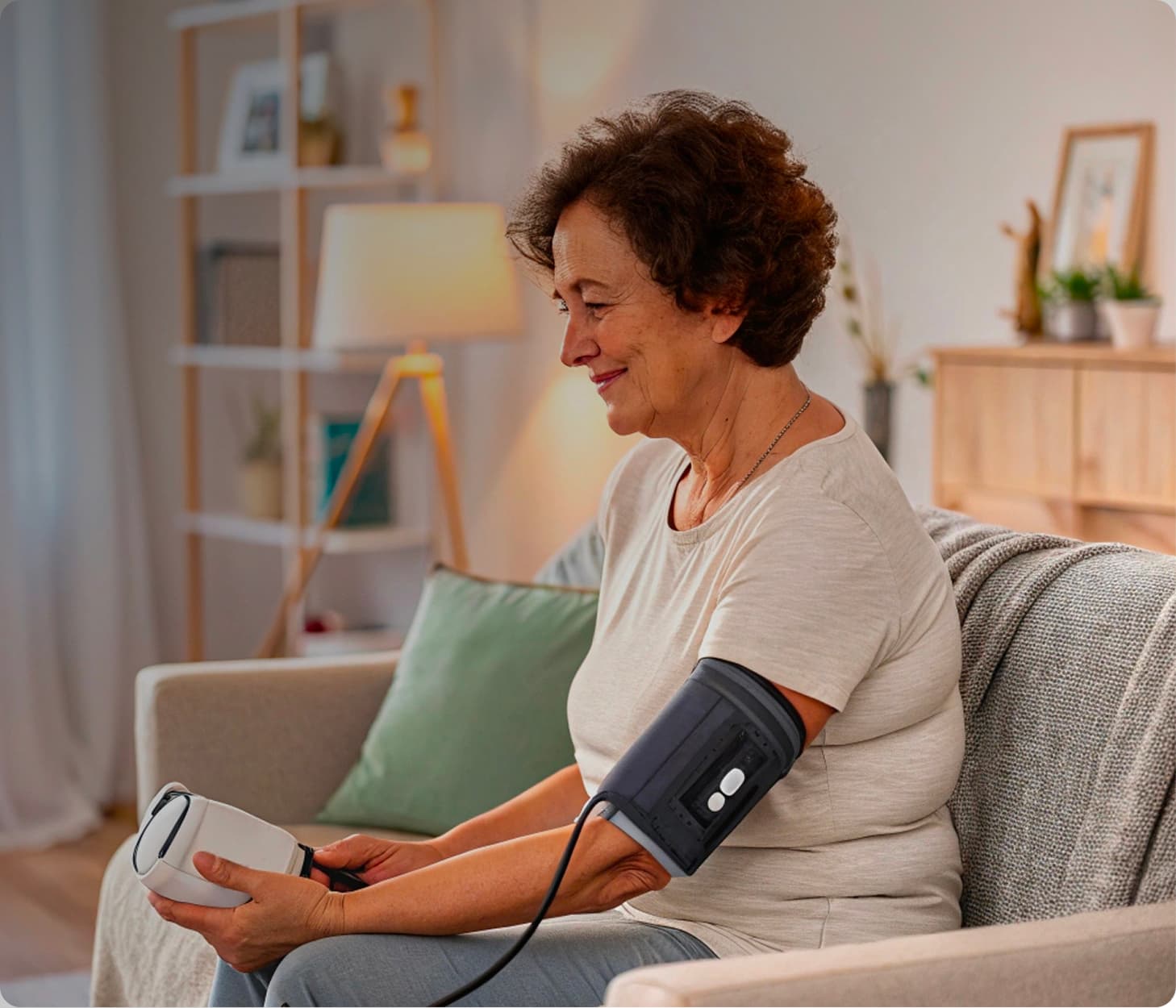
Real-time vital sign monitoring using FDA-cleared devices with automatic data transmission to the EHR. Enables proactive clinical intervention and generates Medicare reimbursement.
How It Works
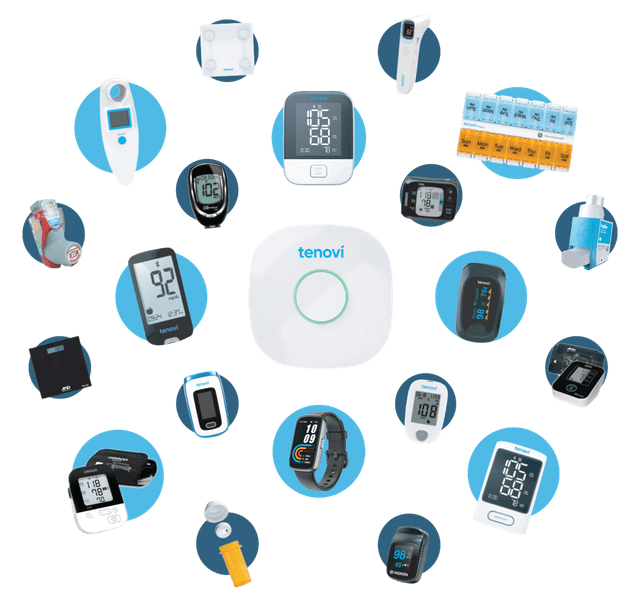
- Device Assignment — FDA-cleared devices (blood pressure cuffs, scales, pulse oximeters, or contactless monitors) are assigned to the patient
- Automatic Data Capture — Vitals transmit via cellular gateway to the CCN Health platform without manual entry
- athenahealth Integration — Data flows directly into athenahealth patient records via cloud-based api
- Clinical Alerts — Abnormal readings trigger real-time notifications to care staff within 2 minutes
- Billing Automation — CPT codes 99453, 99454, 99457, 99458 documented automatically for compliant billing
Key Features
| Feature | Details |
|---|---|
| EHR Integration | Bi-directional sync with athenahealth |
| Devices Supported | Blood pressure, weight, SpO2, glucose, contactless |
| Alert Time | Real-time notifications to care staff |
| Billing Codes | 99453, 99454, 99457, 99458 |
| Compliance | HIPAA compliant, CMS-aligned documentation |
| Platform Uptime | 99.9% availability |
Supported Devices
| Device | Use Case | Experience |
|---|---|---|
| Blood Pressure Monitor | Hypertension, heart disease | Automated cuff — press one button, reading transmits automatically |
| Weight Scale | Heart failure, nutrition monitoring | Step on scale daily, no buttons required |
| Pulse Oximeter | COPD, respiratory conditions | Finger clip for 30 seconds, automatic transmission |
| CGM (FreeStyle Libre 3 / Dexcom G7) | Diabetes management | Small sensor on arm, continuous readings without fingersticks |
| Xandar Kardian Sensor | General wellness, fall risk, sleep | Wall-mounted radar — completely contactless |
Clinical Benefits
- Early detection of health deterioration before emergencies develop
- Reduced hospital transfers and ER visits through proactive monitoring
- Objective vital sign trending supports care plan adjustments
- Comprehensive documentation for regulatory compliance and surveys
Billing & Reimbursement
CCN Health automates Medicare RPM billing documentation:
| CPT Code | Reimbursement | Requirements |
|---|---|---|
| 99453 | ~$19 | One-time device setup and patient education |
| 99454 | ~$50/mo | 16+ days of readings per 30-day period |
| 99457 | ~$48/mo | First 20 minutes of clinical monitoring time |
| 99458 | ~$38/mo | Each additional 20 minutes of clinical time |
Monthly potential per patient: $120+
Frequently Asked Questions
Does CCN Health integrate directly with athenahealth for RPM?
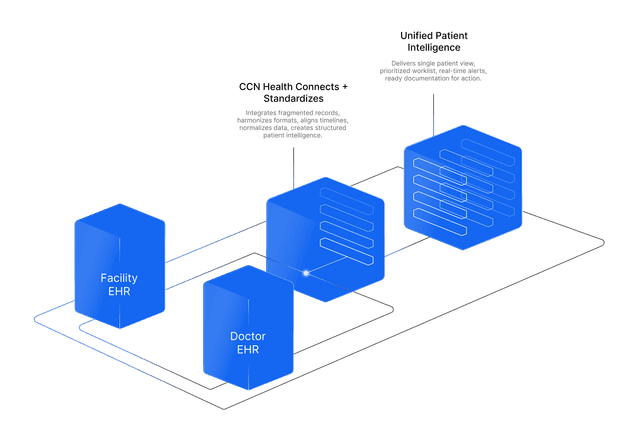
Yes. CCN Health has a certified integration with athenahealth that enables bi-directional data flow. Vital signs and clinical data automatically appear in athenahealth patient records.
What are the billing requirements for RPM?
99453 requires One-time device setup and patient education. CCN Health tracks all requirements automatically and generates documentation for compliant billing.
Can RPM data be used across other programs?
Yes. CCN Health's platform enables cross-program data sharing. RPM data is available for use in RPM, CCM, PCM, and BHI programs without re-entry.
Configurable Alerts
Set thresholds that match your clinical protocols
Flexible Workflows
Adapt routing, documentation, and permissions to your team
Automated Compliance
Real-time audit trail and billing validation
Advanced technology working behind the scenes — so your team gets faster processing, smarter alerts, and effortless documentation without changing how they work.

Technology that stays in the background — so care stays in the foreground.
Why CCN Health
Why Healthcare Organizations Choose CCN Health
Purpose-built technology that fits your clinical workflows and drives measurable outcomes.
EHR Integration
Bi-directional data sync with your existing EHR eliminates manual charting and reduces documentation errors.
Revenue Generation
Automated Medicare billing documentation captures every eligible reimbursement opportunity.
Clinical Outcomes
Real-time alerts and trending data enable early intervention before conditions deteriorate.
Built-In Efficiency
Automated workflows handle documentation, threshold management, and billing preparation — freeing clinical staff for direct patient care.
Family Engagement
Proactive monitoring gives families confidence in the quality of care being delivered.
Compliance & Reporting
Timestamped documentation supports regulatory compliance and quality measure reporting.
Questions?
Want to learn more about Remote Patient Monitoring for your facility?
Our team can answer your questions and show you how it works with your current workflow.
Seamless EHR Integration
How CCN Health Works Inside athenahealth
Your monitoring data flows directly into athenahealth — no exports, no manual entry, no disruption to your clinical workflow.
RPM Devices
CGM, Scales, BP, SpO2
Built Around How You Operate
Custom workflows, smart alerting, and automated documentation — advanced technology working behind the scenes so your team doesn't have to.
athenahealth
Charts & Care Plans
What Flows Between Systems
Patient Demographics
Conditions, medications, and census sync from your EHR
Vital Observations
Device readings flow automatically into patient charts
Discharge & ADT Events
Admission and discharge events trigger protocol changes
Care Plans
Treatment plans inform monitoring thresholds and alerts
Billing Documentation
CPT-ready records generated for claims submission
Cross-Program Data
RPM data available for CCM, PCM, BHI — no re-entry
“Every reading, every alert, every care plan update — available across all your programs. One integration, unlimited use cases.”
Also integrates with
Common Questions
Frequently Asked Questions
Everything you need to know about Remote Patient Monitoring — implementation, billing, and clinical workflows.
Yes. CCN Health integrates with athenahealth so that RPM data flows directly into patient charts, reducing manual documentation and improving care coordination.
RPM uses FDA-cleared connected devices to collect patient vitals—such as blood pressure, weight, and glucose—outside of traditional clinical settings, enabling proactive care and early intervention.
The primary RPM CPT codes are 99453 (device setup), 99454 (monthly device supply/data transmission), 99457 (first 20 min clinical review), and 99458 (each additional 20 min).
Most facilities are fully operational within 1 week. CCN Health handles device provisioning, EHR integration setup, staff training, and ongoing clinical support.
Still have questions? We're happy to walk you through anything.
Contact Us
Prefer to Send a Message?
Not ready for a call? No problem. Drop us a message and we'll get back to you within 24 hours with answers to your questions about Remote Patient Monitoring for your facility.
Tell us about your organization
Share details about your facility, current EHR setup, and what you're looking to achieve.
We'll review and respond
Our team will assess your needs and send you relevant information, case studies, or suggest next steps.
Connect when you're ready
When the time is right, we'll schedule a personalized demo tailored to your workflows.
Send Us a Message
We'll get back to you within 24 hours.


Get Started
Ready to bring Remote Patient Monitoring to your organization?
See how CCN Health can improve patient outcomes and generate new Medicare revenue — all within the EHR your staff already uses.