






CCM · Respiratory
Respiratory Monitoring for Skilled Nursing CCM — athenahealth + CCN Health
Respiratory Monitoring technology powering your CCM program in Skilled Nursing — fully integrated with athenahealth. Real-time alerts, clinical workflows, and automated billing in one platform.
Hundreds of facilities just like yours have grown their Chronic Care Management programs with CCN Health. .
Contact Us
Prefer to Send a Message?
Not ready for a call? No problem. Drop us a message and we'll get back to you within 24 hours with answers to your questions about Chronic Care Management for your Skilled Nursing.
Tell us about your organization
Share details about your Skilled Nursing, current EHR setup, and what you're looking to achieve.
We'll review and respond
Our team will assess your needs and send you relevant information, case studies, or suggest next steps.
Connect when you're ready
When the time is right, we'll schedule a personalized demo tailored to your workflows.
Send Us a Message
We'll get back to you within 24 hours.
CCN Health provides a certified Chronic Care Management (CCM) integration with athenahealth designed specifically for skilled nursing facilities, featuring respiratory monitoring technology. The platform automates clinical documentation, enables real-time monitoring, and generates Medicare billing records for compliant reimbursement.
Respiratory Monitoring for Skilled Nursing CCM with athenahealth
Respiratory Monitoring brings a distinct advantage to CCM programs in skilled nursing facilities. Combination of pulse oximetry (SpO2), respiratory rate tracking via contactless radar, and spirometry data capture enables comprehensive respiratory monitoring. Peak flow meters and connected spirometers transmit readings automatically to the CCN Health platform. Combined with CCN Health's athenahealth integration, residents benefit from continuous monitoring without additional nursing staff burden.
Why Respiratory Monitoring for Skilled Nursing
Skilled Nursing facilities serve post-acute and long-stay residents requiring 24/7 skilled nursing care, often with multiple comorbidities and higher acuity. Respiratory Monitoring is particularly relevant because:
- Multi-sensor approach captures complete respiratory picture
- Combines SpO2, respiratory rate, and airflow measurements
- Early detection of COPD exacerbations before hospitalization
How Respiratory Monitoring Works
Combination of pulse oximetry (SpO2), respiratory rate tracking via contactless radar, and spirometry data capture enables comprehensive respiratory monitoring. Peak flow meters and connected spirometers transmit readings automatically to the CCN Health platform.
Data Captured
- SpO2 (blood oxygen saturation)
- Respiratory rate
- Peak expiratory flow
- FEV1 trending
- Breathing pattern analysis
Benefits for Skilled Nursing Facilities
Readmission Prevention
Continuous monitoring during the critical post-acute window reduces hospital readmissions and improves quality scores.
Quality Measures
Objective vital sign data supports CMS quality reporting and star rating improvement efforts.
Survey Readiness
Comprehensive, timestamped records provide audit-ready documentation for state and federal surveys.
Respiratory Monitoring vs. Traditional Approaches
| Factor | Respiratory Monitoring | Traditional |
|---|---|---|
| Scope | SpO2 + RR + spirometry combined | Individual tests at office visits |
| Frequency | Daily monitoring with trending | Quarterly pulmonary function tests |
| Exacerbation Detection | Real-time pattern-based alerts | Patient-reported symptoms |
| Data Integration | All data in one platform | Fragmented across systems |
| Therapy Tracking | Inhaler and treatment compliance | Self-reported adherence |
Common Conditions in Skilled Nursing
- post-surgical recovery
- heart failure
- pneumonia
- COPD exacerbation
- sepsis recovery
- wound care
Billing & Reimbursement
Respiratory Monitoring data contributes to CCM billing in skilled nursing settings:
| CPT Code | Reimbursement | Requirements |
|---|---|---|
| 99490 | ~$62/mo | 20+ minutes of clinical staff time per month |
| 99491 | ~$83/mo | 30+ minutes of physician/QHP time per month |
Monthly potential per resident: $62+
Frequently Asked Questions
Is respiratory monitoring suitable for skilled nursing residents?
Yes. Respiratory Monitoring is ideal for skilled nursing settings, where multi-sensor approach captures complete respiratory picture.
How does respiratory monitoring data reach athenahealth?
Data flows automatically from the monitoring system to CCN Health's platform, then syncs bi-directionally with athenahealth. No manual charting required.
What is the implementation timeline?
Most skilled nursing facilities are fully operational within 4 weeks including system deployment, athenahealth integration, and nursing staff training.
Discovery call — we learn your workflows, EHR setup, and patient population so nothing gets lost in translation.
We configure your platform around how your team actually operates — custom alert thresholds, EHR data mapping, and role-based permissions.
Go live with monitoring, automated documentation, and billing tailored to your practice — your team stays focused on care.
No one-size-fits-all templates. Every integration is configured for how your Skilled Nursing actually operates.
Configurable Alerts
Set thresholds that match your clinical protocols
Flexible Workflows
Adapt routing, documentation, and permissions to your team
Automated Compliance
Real-time audit trail and billing validation
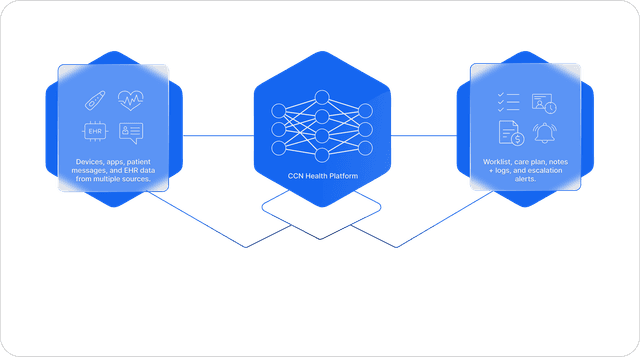
Advanced technology working behind the scenes — so your team gets faster processing, smarter alerts, and effortless documentation without changing how they work.
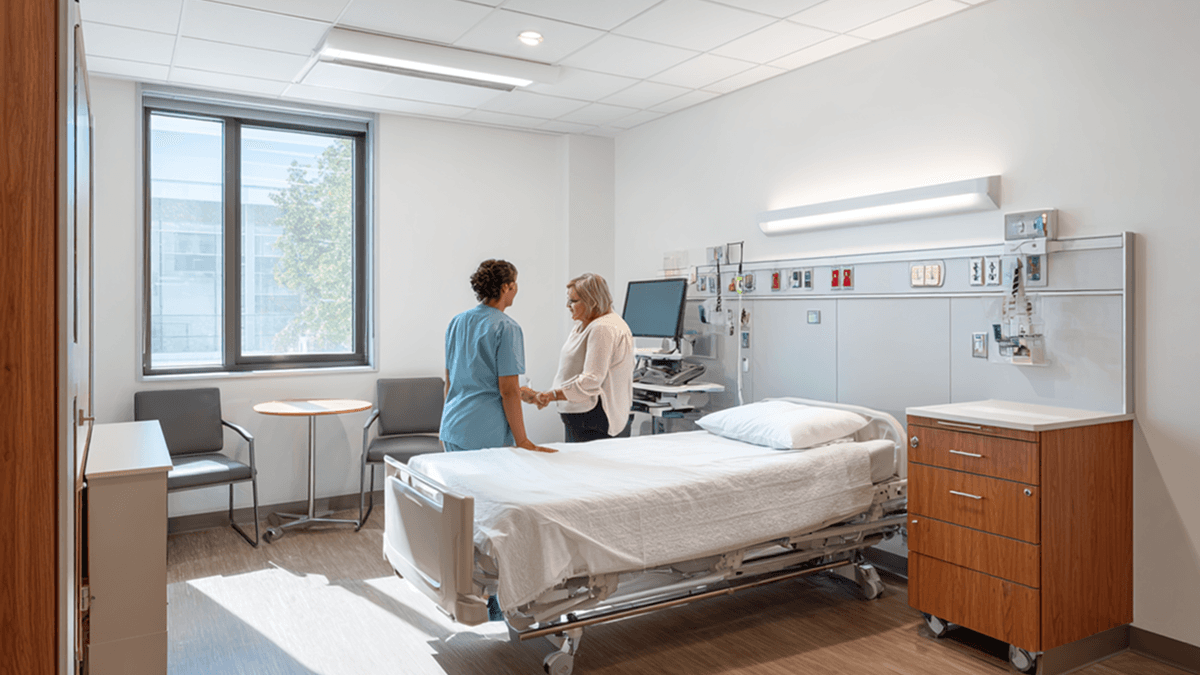
Technology that stays in the background — so care stays in the foreground.
Why CCN Health
Why Skilled Nursing Facilities Choose CCN Health
Purpose-built technology that fits your clinical workflows and drives measurable outcomes.
Questions?
Want to learn more about Chronic Care Management for Skilled Nursing?
Our team can answer your questions and show you how it works with your current workflow.
Seamless EHR Integration
How CCN Health Works Inside athenahealth
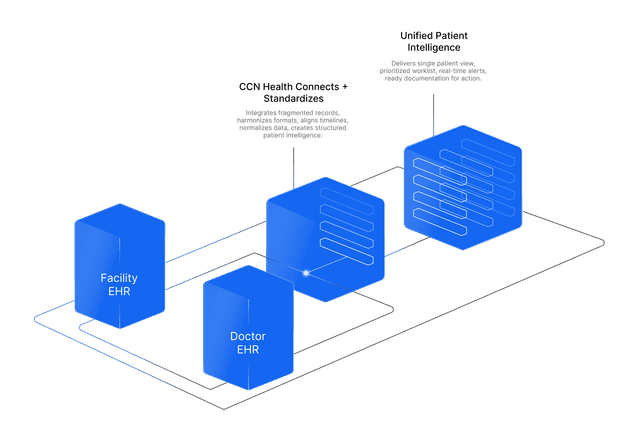
Your program data flows directly into athenahealth — no exports, no manual entry, no disruption to your clinical workflow.
Care Coordination
Calls, Assessments, Care Plans
Built Around How You Operate
Custom workflows, smart alerting, and automated documentation — advanced technology working behind the scenes so your team doesn't have to.
athenahealth
Charts & Care Plans
What Flows Between Systems
Patient Demographics
Chronic conditions, medications, and problem lists from your EHR
Care Plan Updates
Treatment plans and goals sync bi-directionally
Contact Logging
Phone calls and check-ins documented with timestamps
Medication Reconciliation
Current medication lists kept in sync across platforms
Time Tracking
Care management minutes tracked for billing compliance
Billing Documentation
CPT 99490/99491 records generated automatically
“Every reading, every alert, every care plan update — available across all your programs. One integration, unlimited use cases.”
Also integrates with
Infrastructure
Devices & Billing
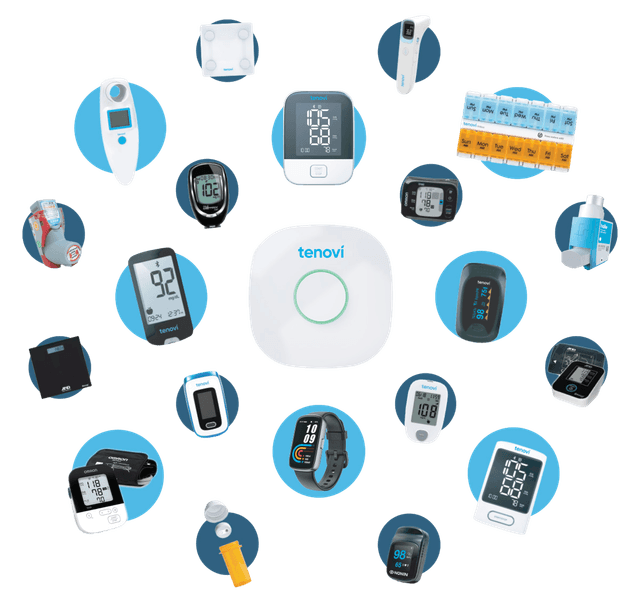
FDA-cleared devices and automated Medicare billing — configured per resident, synced with the EHR.
Medicare Billing
Chronic Care Management (CCM)
3 billing codes
First 20 minutes of clinical staff time for CCM services
~$62
Monthly
Each additional 20 minutes of CCM clinical staff time
~$47
Monthly (additional)
First 30 minutes of physician/QHP time for complex CCM
~$83
Monthly
Common Questions
Frequently Asked Questions
Everything you need to know about implementation, billing, and clinical workflows.
Yes. CCN Health integrates with athenahealth so that RPM data flows directly into patient charts, reducing manual documentation and improving care coordination.
CCM is a Medicare program that reimburses providers for non-face-to-face care coordination for patients with two or more chronic conditions, billed under CPT codes 99490, 99439, and 99491.
Skilled nursing facilities use RPM to continuously monitor residents' vitals, enabling early detection of decline, reducing hospital transfers, and supporting compliance with quality reporting requirements.
Respiratory monitoring tracks breathing rate and patterns using connected devices or contactless technology, enabling early detection of respiratory decline in patients with COPD, asthma, and other pulmonary conditions.
Most facilities are fully operational within 1 week. CCN Health handles device provisioning, EHR integration setup, staff training, and ongoing clinical support.
Still have questions? We're happy to walk you through anything.
Contact Us
Prefer to Send a Message?
Not ready for a call? No problem. Drop us a message and we'll get back to you within 24 hours with answers to your questions about Chronic Care Management for your Skilled Nursing.
Tell us about your organization
Share details about your Skilled Nursing, current EHR setup, and what you're looking to achieve.
We'll review and respond
Our team will assess your needs and send you relevant information, case studies, or suggest next steps.
Connect when you're ready
When the time is right, we'll schedule a personalized demo tailored to your workflows.
Send Us a Message
We'll get back to you within 24 hours.

Get Started
Ready to bring Chronic Care Management to your Skilled Nursing?
See how CCN Health can improve resident outcomes, preserve independence, support family engagement, and generate new Medicare revenue — all within the EHR your staff already uses.