business
RPM vs RTM: Key Differences, Eligibility & When to Use Each
A side-by-side comparison of RPM and RTM — Medicare's two remote monitoring programs. Learn the differences in data types, CPT codes, eligibility, and how to stack both for maximum per-patient reimbursement.
RPM and RTM are complementary Medicare programs monitoring different data types. RPM (CPT 99453–99458) collects physiologic data like blood pressure and glucose from FDA-cleared devices, generating ~$145/month. RTM (CPT 98975–98981) collects therapy-related data like pain scores and adherence, allowing patient self-reports, generating ~$100/month. Both can be billed for the same patient when monitoring different data.
RPM and RTM: Two Programs, Different Data
Remote Patient Monitoring (RPM) and Remote Therapeutic Monitoring (RTM) are Medicare's two remote monitoring programs — and while their names sound nearly identical, they serve fundamentally different clinical purposes. RPM monitors physiologic data from FDA-cleared devices. RTM monitors non-physiologic, therapy-related data that can include patient self-reports.
Understanding the distinction between these two programs is essential for practices looking to maximize their remote monitoring revenue while maintaining billing compliance. This guide provides a detailed side-by-side comparison covering data types, CPT codes, eligibility, and strategies for implementing both programs concurrently.
What Is Remote Patient Monitoring (RPM)?
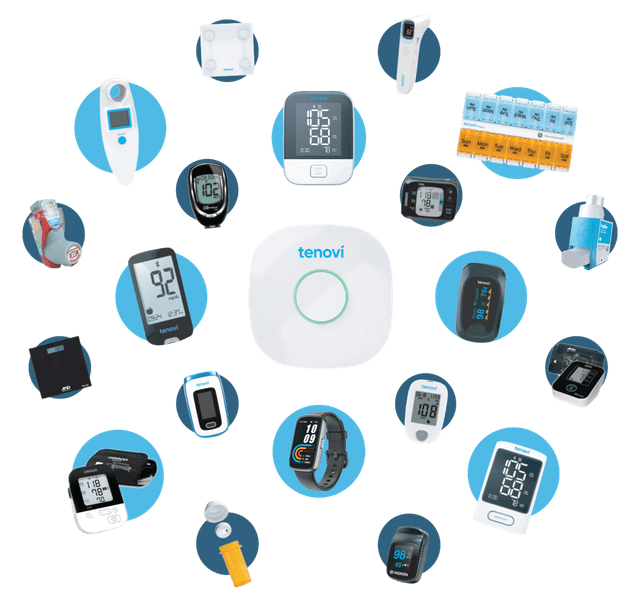
RPM is a Medicare program that reimburses healthcare providers for collecting physiologic data from patients using FDA-cleared devices and reviewing that data clinically between office visits. The devices — blood pressure monitors, glucose meters, weight scales, pulse oximeters — automatically generate and transmit readings to a clinical monitoring platform.
RPM is designed for chronic conditions where continuous vital sign monitoring enables earlier clinical intervention. A patient with hypertension takes daily blood pressure readings at home; a patient with heart failure steps on a connected scale each morning; a patient with diabetes checks glucose throughout the day. Clinical staff review the incoming data, identify trends or out-of-range readings, and intervene when necessary.
RPM CPT Codes
| CPT Code | Description | Estimated Rate | Key Requirement |
|---|---|---|---|
| 99453 | Device setup & patient education | ~$22 | One-time per enrollment |
| 99454 | Device supply & data transmission | ~$52/mo | 16+ days of readings per 30-day period |
| 99457 | Clinical review (first 20 min) | ~$52/mo | Interactive patient contact required |
| 99458 | Additional clinical review (each 20 min) | ~$41/mo | Only after 99457 is satisfied |
Estimated recurring monthly revenue: ~$104–$145 per patient
Reimbursement estimates based on CMS published fee schedules. Actual rates vary by region and payer.
RPM Qualifying Conditions
RPM requires at least one chronic condition amenable to physiologic monitoring via FDA-cleared devices. Common qualifying conditions include:
- Hypertension — blood pressure monitoring
- Type 2 Diabetes — blood glucose or continuous glucose monitoring
- Heart Failure — weight and blood pressure monitoring
- COPD — pulse oximetry monitoring
- Chronic Kidney Disease — blood pressure and weight monitoring
The key constraint is that the data must be physiologic (vital signs generated by a medical device) and the device must be FDA-cleared.
What Is Remote Therapeutic Monitoring (RTM)?
RTM is a newer Medicare program that reimburses providers for collecting non-physiologic, therapy-related data from patients and managing their treatment based on that data. Unlike RPM, RTM allows self-reported patient data — pain scores, therapy exercise adherence, medication compliance, symptom diaries, and functional outcome assessments.
RTM was introduced to fill a gap that RPM could not address: many patients in active therapy programs — post-surgical rehabilitation, chronic pain management, respiratory therapy — need monitoring between visits, but their data is not physiologic in nature. A patient recovering from a total knee replacement needs to report pain levels and physical therapy adherence, not blood pressure readings.
RTM CPT Codes
| CPT Code | Description | Estimated Rate | Key Requirement |
|---|---|---|---|
| 98975 | Initial setup & patient education | ~$19 | One-time per treatment episode |
| 98976 | Device supply — respiratory system | ~$50/mo | 16+ days of data per 30-day period |
| 98977 | Device supply — musculoskeletal system | ~$50/mo | 16+ days of data per 30-day period |
| 98980 | Treatment management (first 20 min) | ~$48/mo | Documented clinical staff time |
| 98981 | Additional treatment management (each 20 min) | ~$38/mo | Only after 98980 is satisfied |
Estimated recurring monthly revenue: ~$98–$136 per patient
Reimbursement estimates based on CMS published fee schedules. Actual rates vary by region and payer.
RTM Qualifying Conditions
RTM has two condition-specific device supply codes, making it relevant for two primary clinical categories:
Respiratory conditions (98976):
- COPD rehabilitation and inhaler adherence monitoring
- Asthma therapy management and trigger tracking
- Post-COVID respiratory recovery
- Pulmonary rehabilitation therapy adherence
Musculoskeletal conditions (98977):
- Post-surgical recovery (total knee replacement, total hip replacement, rotator cuff repair)
- Chronic pain syndrome management
- Physical therapy adherence and home exercise program tracking
- Chronic musculoskeletal conditions (osteoarthritis, chronic low back pain)
Side-by-Side Comparison: RPM vs RTM
| Dimension | RPM | RTM |
|---|---|---|
| Primary Focus | Physiologic vital sign monitoring | Therapy outcome & adherence monitoring |
| Data Type | Physiologic (BP, glucose, weight, SpO2) | Non-physiologic (pain, adherence, function) |
| Self-Reported Data Allowed | No — device-generated only | Yes — apps and patient reports qualify |
| Device Requirement | FDA-cleared medical devices | Digital tools, apps, or connected devices |
| Minimum Data Days | 16 of 30 days | 16 of 30 days |
| Setup Code | 99453 (~$22, one-time) | 98975 (~$19, one-time) |
| Device/Supply Code | 99454 (~$52/mo) | 98976 or 98977 (~$50/mo) |
| Clinical Review Code | 99457 (~$52/mo) | 98980 (~$48/mo) |
| Additional Time Code | 99458 (~$41/mo) | 98981 (~$38/mo) |
| Interactive Contact Required | Yes (for 99457) | Not explicitly required |
| Estimated Monthly Revenue | ~$104–$145 | ~$98–$136 |
| Typical Conditions | Hypertension, diabetes, CHF, COPD | Post-surgical rehab, chronic pain, respiratory therapy |
| Can Stack with Each Other | Yes (different data types) | Yes (different data types) |
The Data Type Distinction: Why It Matters
The single most important difference between RPM and RTM is the type of data each program monitors. This distinction drives everything — which devices are used, which patients qualify, and which CPT codes are billed.
RPM: Physiologic Data Only
RPM data must be automatically generated by an FDA-cleared medical device. The patient takes a measurement, and the device records and transmits a physiologic reading. Examples include:
- A blood pressure cuff recording 142/88 mmHg
- A glucose meter reading 186 mg/dL
- A weight scale measuring 187.4 pounds
- A pulse oximeter showing SpO2 of 93%
The patient does not type in these values. The device measures, records, and transmits them. This is what makes the data physiologic and FDA-cleared — it is clinically accurate and automatically captured.
RTM: Non-Physiologic and Self-Reported Data
RTM data can be self-reported by the patient through digital platforms, apps, or connected tools. The patient actively provides information about their therapy experience. Examples include:
- Rating pain at 6 out of 10 on a visual analog scale
- Confirming completion of 3 out of 4 prescribed physical therapy exercises
- Recording a symptom diary entry noting increased knee stiffness in the morning
- Answering a functional outcome questionnaire about daily activity level
This data is clinically valuable for managing therapy outcomes, but it is not physiologic — it cannot be captured by a medical device. This is the domain that RTM was created to address.
Compliance Implication
Billing RPM for self-reported data (such as a patient typing in their own blood pressure) is a compliance risk because RPM requires device-generated physiologic readings. Conversely, billing RTM for data from an FDA-cleared blood pressure cuff would be incorrect because that data is physiologic and belongs under RPM. Practices must clearly define which data streams feed each program.
When to Use RPM
RPM is the right program when the clinical need is continuous monitoring of physiologic vital signs through medical devices. The strongest use cases include:
Hypertension Management
Blood pressure monitoring is the most common RPM application. Patients take daily readings at home, giving clinical teams far more data than periodic office visits. This enables tighter medication titration, earlier detection of uncontrolled hypertension, and trend-based clinical decisions.
Diabetes Monitoring
Daily glucose readings — whether via finger-stick meters or continuous glucose monitors — reveal patterns that periodic A1C tests and in-office checks cannot capture. Post-meal spikes, overnight lows, and time-in-range metrics inform real-time medication and lifestyle adjustments.
Heart Failure Management
Daily weight monitoring detects fluid retention early. A weight gain of two to three pounds in a single day can trigger clinical outreach and diuretic adjustments before the patient becomes symptomatic, potentially preventing a hospitalization.
Chronic Respiratory Monitoring
Pulse oximetry for COPD patients can identify desaturation trends that precede acute exacerbations. Early intervention — antibiotic initiation, inhaler adjustment, or a telehealth visit — can reduce emergency department utilization.
When to Use RTM
RTM is the right program when the clinical need is monitoring therapy outcomes, treatment adherence, and self-reported health data that devices cannot capture. The strongest use cases include:
Post-Surgical Rehabilitation
Patients recovering from joint replacement, rotator cuff repair, or spinal surgery need ongoing monitoring of pain levels, range of motion progress, and physical therapy adherence. This data is inherently self-reported and therapeutic in nature — making it an ideal fit for RTM. Learn more about RTM integration with PointClickCare — including CPT code automation and therapy outcome tracking.
Chronic Pain Management
Pain scores, medication adherence, functional capacity assessments, and therapy engagement are central to chronic pain management but are not physiologic data points. RTM provides a reimbursement pathway for the monitoring work pain management practices already perform between visits.
Respiratory Therapy Adherence
For patients in pulmonary rehabilitation or managing COPD with complex inhaler regimens, RTM tracks therapy completion, inhaler adherence, symptom diaries, and self-reported respiratory status. This therapy-focused data complements physiologic data that RPM might capture via pulse oximetry.
Physical Therapy Outcomes
Orthopedic and physical medicine practices can use RTM to monitor home exercise program adherence, functional milestone achievement, and patient-reported outcomes — creating a billing pathway for the remote therapy management these practices provide.
Stacking RPM and RTM: Maximum Revenue per Patient
One of the most powerful strategies is billing both RPM and RTM for qualifying patients concurrently. This is compliant when:
- The patient has qualifying conditions for both programs — at least one condition amenable to physiologic monitoring (RPM) and at least one condition requiring therapeutic monitoring (RTM)
- The data types are distinct — RPM monitors physiologic device data while RTM monitors non-physiologic therapy data
- Clinical time is documented separately — RPM review time and RTM treatment management time are tracked independently
Combined Revenue Potential
| Scenario | Estimated Monthly Revenue |
|---|---|
| RPM Only (99454 + 99457 + 99458) | ~$104–$145 |
| RTM Only (98976/98977 + 98980 + 98981) | ~$98–$136 |
| RPM + RTM Combined | ~$202–$281 |
Estimates based on CMS published fee schedules. Actual revenue varies by region, payer, and clinical circumstances.
Practical Stacking Example
Consider a patient with hypertension and chronic knee pain following total knee replacement:
RPM activities (billed under 99454/99457/99458):
- Daily blood pressure readings from a cellular-enabled cuff
- Clinical staff reviewing BP trends and identifying out-of-range readings
- Calling the patient to discuss an upward trend in evening blood pressure
RTM activities (billed under 98977/98980/98981):
- Patient reporting daily pain scores and physical therapy exercise completion via a mobile app
- Clinical staff reviewing therapy adherence patterns and pain trends
- Updating the rehabilitation plan based on patient-reported functional outcomes
The physiologic data (blood pressure) and the non-physiologic data (pain scores, therapy adherence) are tracked and documented separately, supporting compliant billing of both programs.
Implementation Strategy: Building Both Programs
Phase 1: Start with RPM
For most practices, RPM is the natural starting point. It generates higher per-patient revenue (~$145/month vs ~$100/month), has a longer track record with Medicare, and covers the most prevalent chronic conditions (hypertension alone affects nearly half of American adults). The operational investment in cellular devices, monitoring platforms, and clinical review workflows establishes the foundation for remote monitoring. For a detailed look at how RPM integrates with a specific EHR, see CCN Health's PointClickCare RPM integration, which covers device data flow, clinical dashboards, and automated billing documentation.
Phase 2: Add RTM for Qualifying Patients
Once RPM workflows are established — typically within 3 to 6 months — practices can add RTM for patients with qualifying musculoskeletal or respiratory therapy needs. The billing mechanics (16-day data threshold, time-based clinical review codes) mirror RPM closely, so staff training transfers efficiently.
Phase 3: Identify Overlap Patients
Review your active patient panels to find patients who qualify for both programs. A hypertension patient who also has chronic low back pain. A COPD patient on both an RPM pulse oximeter and a respiratory therapy program. A diabetic patient recovering from a hip replacement. These overlap patients represent the highest per-patient revenue opportunity.
Phase 4: Expand with Additional Programs
RPM and RTM are two of several stackable Medicare chronic care programs. Qualifying patients may also benefit from:
- CCM (Chronic Care Management) — Care coordination for patients with 2+ chronic conditions. Uses separate CPT codes (99490, 99491, 99439) and can be billed alongside both RPM and RTM.
- PCM (Principal Care Management) — Intensive management of a single complex condition. Stackable with RPM and RTM but mutually exclusive with CCM.
- BHI (Behavioral Health Integration) — Psychiatric collaborative care for patients with qualifying behavioral health diagnoses. Stackable with RPM, RTM, and CCM.
For a patient qualifying for RPM, RTM, and CCM simultaneously, the estimated combined monthly revenue could exceed $305 per patient.
Common Compliance Considerations
Data Type Separation
The most critical compliance requirement when running both programs is maintaining clean separation between physiologic data (RPM) and non-physiologic data (RTM). A blood pressure reading from a cuff is RPM. A pain score entered in an app is RTM. Mixing these data streams in documentation creates audit risk.
Time Documentation
Clinical time for RPM review (99457/99458) and RTM treatment management (98980/98981) must be tracked separately. Staff cannot count the same 20 minutes toward both programs. Use distinct time logs with date, duration, and activity descriptions for each program.
16-Day Data Threshold
Both programs require 16 days of data collection within each 30-day billing period. Practices must monitor compliance rates for both data streams independently — a patient may meet the RPM threshold for blood pressure readings but fall short on RTM therapy adherence reporting.
Condition-Specific Billing
RTM has condition-specific device supply codes. Bill 98976 for respiratory conditions and 98977 for musculoskeletal conditions. Using the wrong code results in claim denials. RPM's device supply code (99454) is not condition-specific.
Conclusion
RPM and RTM are not competing programs — they are complementary components of a comprehensive remote monitoring strategy. RPM captures the physiologic data that drives chronic disease management. RTM captures the therapy outcome data that drives rehabilitation and treatment adherence. Together, they enable practices to monitor a broader range of patient conditions while generating significantly higher per-patient revenue.
For practices already running RPM, adding RTM is a natural extension that leverages existing workflows and staff capabilities. For practices with strong orthopedic, pulmonology, or physical medicine patient populations, RTM may be the more immediate opportunity. The most effective strategy is building both programs systematically and identifying the overlap patients who qualify for concurrent billing.
Disclaimer: This article is for informational purposes only and does not constitute medical, legal, or billing advice. CPT code reimbursement amounts are estimates based on CMS published fee schedules and may vary by region, payer, and clinical circumstances. State-specific regulatory information is subject to change. Always consult qualified healthcare and billing professionals for guidance specific to your practice.
Let's figure this out together
We work closely with every client to find the right approach for their practice. Think of us as your partner, not just a platform.
Topics
Your Partner in Chronic Care
We love working closely with our clients to find the best solutions. Let us help guide you through the complicated stuff.
Why It Matters
Key Benefits
See how this approach drives measurable improvements across your organization.
Different Data Types
RPM monitors physiologic vital signs; RTM monitors therapy outcomes and self-reported data — together they cover the full spectrum of remote patient monitoring.
Revenue Stacking
Billing both programs for qualifying patients can generate an estimated ~$245+ per patient per month, significantly increasing per-patient revenue.
Broader Patient Coverage
RPM covers chronic disease monitoring while RTM covers therapy and rehabilitation, enabling remote monitoring for a wider range of clinical conditions.
Lower RTM Barrier
RTM does not require FDA-cleared devices — digital health apps and self-reporting platforms qualify, making it accessible to practices without device infrastructure.
Complementary Clinical Value
Combining physiologic monitoring (RPM) with therapy outcome tracking (RTM) gives clinical teams a comprehensive view of both disease status and treatment response.
Flexible Implementation
Practices can start with either program based on their patient mix and add the other over time, creating a phased approach to remote monitoring revenue.
Continue Reading
Related Articles
Explore more insights on this topic.
RTM Billing Guide: Remote Therapeutic Monitoring CPT Codes & Requirements
A detailed breakdown of all RTM CPT codes — 98975, 98976, 98977, 98980, and 98981 — covering the key difference from RPM, qualifying conditions like COPD rehabilitation and post-surgical recovery, self-reported data rules, and revenue projections for remote therapeutic monitoring programs.
CCM vs RPM: Key Differences, Billing Codes & When to Use Each
A side-by-side comparison of CCM and RPM — two of Medicare's most valuable chronic care programs. Learn the differences in CPT codes, eligibility, billing requirements, and how to stack both for maximum reimbursement.
What Is Remote Therapeutic Monitoring (RTM)? A Complete Guide
A complete guide to Remote Therapeutic Monitoring — what it is, how it differs from RPM, which conditions qualify, the five CPT codes (98975-98981), and how providers bill Medicare for RTM services.
Common Questions
Frequently Asked Questions
Get answers to the most common questions about this topic.
The fundamental difference is the type of data each program monitors. RPM (Remote Patient Monitoring) collects physiologic data generated automatically by FDA-cleared medical devices — blood pressure readings, glucose levels, weight, and oxygen saturation. RTM (Remote Therapeutic Monitoring) collects non-physiologic, therapy-related data that can include patient self-reports — pain scores, therapy exercise adherence, medication compliance, and functional outcome measures. RPM requires FDA-cleared devices; RTM can use digital health apps and patient-reported outcome platforms.
Yes. RPM and RTM can be billed for the same patient in the same month, provided they are monitoring different data types. For example, a patient with hypertension and chronic knee pain could have RPM for blood pressure monitoring (physiologic, via a blood pressure cuff) and RTM for post-surgical pain tracking and physical therapy adherence (non-physiologic, via a patient app). The clinical time and data must be documented separately for each program, and the monitored conditions must be distinct.
RPM generally generates higher per-patient monthly revenue. With all applicable codes billed, RPM can produce an estimated ~$145/month per patient (99454 + 99457 + 99458), while RTM generates an estimated ~$100/month (98976 or 98977 + 98980 + 98981). However, RTM can have lower implementation costs because it does not require FDA-cleared medical devices — digital platforms and patient apps can serve as the data collection tool. When both are stacked for a qualifying patient, the combined estimated revenue can exceed ~$245/month. Actual reimbursement varies by region and payer.
No. This is one of the most significant practical differences between the two programs. RPM specifically requires FDA-cleared medical devices that automatically generate and transmit physiologic data — such as blood pressure monitors, glucose meters, and weight scales. RTM allows a broader range of data collection tools, including digital health platforms, patient-facing apps, and connected devices that capture self-reported data like pain scores, therapy adherence, and functional outcomes. This makes RTM more accessible for practices that do not have device-based monitoring infrastructure.
Consider your patient population and clinical focus. If your practice manages patients with conditions that benefit from continuous physiologic monitoring — hypertension, diabetes, heart failure, COPD — RPM is typically the stronger starting point because it generates higher per-patient revenue and has the most established clinical evidence. If your practice is orthopedic, physical medicine, or pulmonology-focused with many post-surgical or chronic pain patients, RTM may be the more natural fit. Many practices start with RPM for its higher reimbursement, then add RTM within 3–6 months to capture additional revenue from patients with qualifying musculoskeletal or respiratory conditions.
Still have questions? We love helping practices figure this out — no pressure, just real answers.

Your Partner in Chronic Care
We're Here to Guide You Every Step of the Way
RPM, CCM, and chronic care management can get complicated. We work closely with every client to figure out the best solutions for their practice.