Clinical
Remote Patient Monitoring for Independent Living — 2026 Guide
How RPM works in independent living — proactive wellness monitoring for active seniors, self-managed cellular devices, aging-in-place technology, and Medicare billing through external physician practices.
RPM in independent living serves health-conscious, often tech-savvy seniors who want proactive health monitoring as part of their wellness lifestyle. Residents self-manage cellular devices (BP monitors, weight scales, pulse oximeters) in their apartments with readings transmitting automatically. CCN Health provides clinical oversight and coordinates with each resident's external physician for billing. RPM generates ~$145–185/patient/month and positions the community as a tech-forward aging-in-place destination.
What Is Remote Patient Monitoring (RPM)?
Remote Patient Monitoring (RPM) is a Medicare-reimbursable program that enables real-time monitoring of vital signs using FDA-cleared cellular devices that automatically transmit data to a clinical monitoring team.
Patient eligibility: Medicare beneficiaries with one or more chronic conditions. Patient must use an FDA-cleared device and transmit physiologic data for 16+ days per 30-day billing period.
How RPM differs from related programs: RPM is the only program requiring FDA-cleared monitoring devices — it captures real-time physiologic data (vital signs) rather than patient-reported outcomes or care coordination time.
RPM can be stacked with CCM, PCM, BHI, RTM for qualifying patients — a single enrolled patient can generate revenue across multiple Medicare programs simultaneously.
Why Independent Living Facilities Need RPM
Independent living residents are the ideal RPM candidates — they have qualifying chronic conditions but are fully capable of managing their own monitoring devices. RPM catches health changes early enough to preserve independence and prevent transitions to higher levels of care.
Proactive detection: Independent living residents have early-stage chronic conditions (hypertension, pre-diabetes, osteoporosis) that are manageable with monitoring — catching changes early prevents escalation that would require a move to assisted living or skilled nursing
Tech-savvy population: Today's independent living residents are increasingly comfortable with technology — many already use smartphones, tablets, and wearables. RPM devices fit naturally into their tech-enabled lifestyle
Aging-in-place enablement: Continuous monitoring gives residents and families confidence that health changes will be caught — reducing the pressure to move to higher-acuity settings prematurely
Community wellness programming: RPM integrates naturally into wellness programs that independent living communities already offer — adding a clinical monitoring layer to fitness, nutrition, and social engagement programs
How RPM Works in Independent Living — The Clinical Workflow
Independent living RPM is the most self-directed model — residents manage their own devices as part of a daily wellness routine, with minimal staff involvement.
Step 1: Wellness Enrollment — Community wellness director or resident's external physician identifies qualifying conditions. Many IL residents proactively request RPM after learning about it through community wellness programming. Consent obtained directly from the resident.
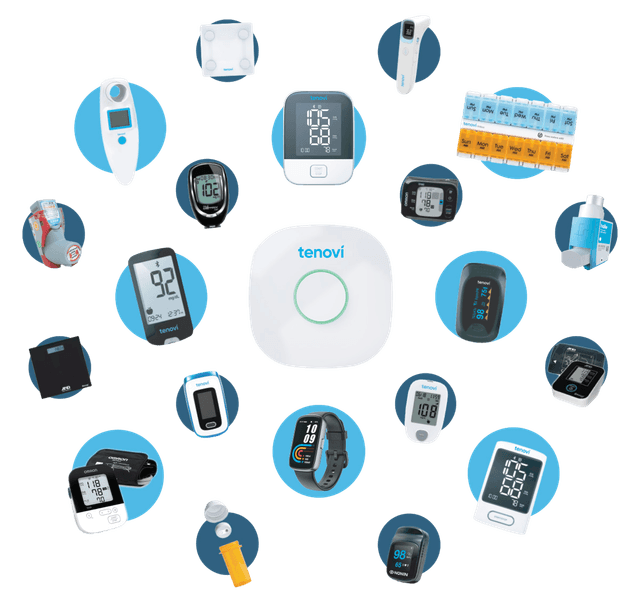
Step 2: Self-Managed Setup — Cellular devices placed in resident apartments with brief education session. Most IL residents master device usage in a single session. Tenovi gateways installed for Bluetooth device connectivity.
Step 3: Daily Wellness Routine — Residents incorporate monitoring into their morning routine — BP reading after breakfast, weight check, etc. Readings transmit automatically. CCN Health provides personalized dashboards that residents can view via web portal.
Step 4: Clinical Oversight — CCN Health's clinical team monitors data, manages alerts, and coordinates with the resident's external physician. Monthly reviews (CPT 99457) completed. Residents receive periodic wellness summaries.
RPM Devices and Monitoring for Independent Living
Independent living devices emphasize self-management, consumer-friendly design, and cellular connectivity.
- Blood Pressure Monitors (Smart Meter, Omron) — Cellular automatic cuffs — easy one-button operation. The most common IL RPM device.
- Weight Scales (Withings, Bodytrace) — Wi-Fi or cellular scales — step-on design, no interaction needed beyond daily use
- Pulse Oximeters (Jumper) — Fingertip SpO2 for respiratory monitoring — quick 30-second readings
- Sleep Monitors (Withings Sleep Mat) — Under-mattress sleep quality tracking — passive overnight monitoring for sleep disorders and cardiovascular risk
Contactless devices are rarely needed in independent living — this population can and prefers to self-manage their monitoring. The exception is sleep monitoring, which is inherently passive.
RPM Billing: CPT Codes and Revenue
| CPT Code | Service | Reimbursement | Requirement |
|---|---|---|---|
| 99453 | Setup & Education | ~$22 | One-time per enrollment |
| 99454 | Device Supply | ~$52/mo | 16+ readings in 30 days |
| 99457 | Clinical Review | ~$52/mo | First 20 min staff time |
| 99458 | Additional Review | ~$41/mo | Each additional 20 min |
Estimated monthly revenue per patient: ~$145–185
Program stacking: With CCM stacking, combined revenue reaches $220–315/patient/month. Adding BHI or RTM for qualifying patients can exceed $370/month.
Independent living communities typically do not have a facility EHR or clinical billing infrastructure. All RPM billing flows through the resident's external physician practice. The community's role is facilitating the program (device logistics, wellness education) while the physician manages the clinical and billing relationship.
EHR Integration for RPM in Independent Living
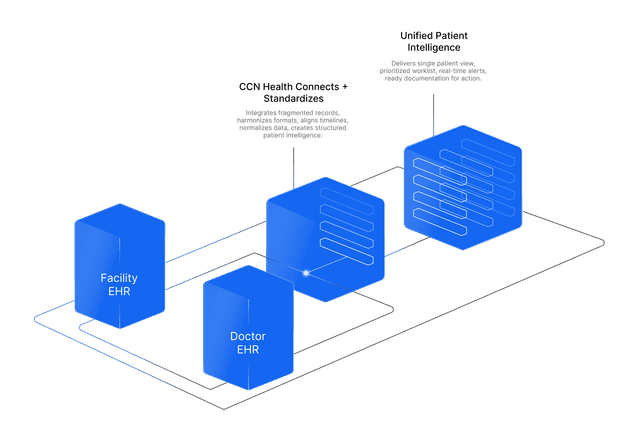
Independent Living facilities typically use Often no facility EHR — routes to external physician for clinical documentation. Independent living communities may not have a facility EHR. Monitoring data routes to residents' external physician practice EHRs (athenahealth, Epic, Charm).
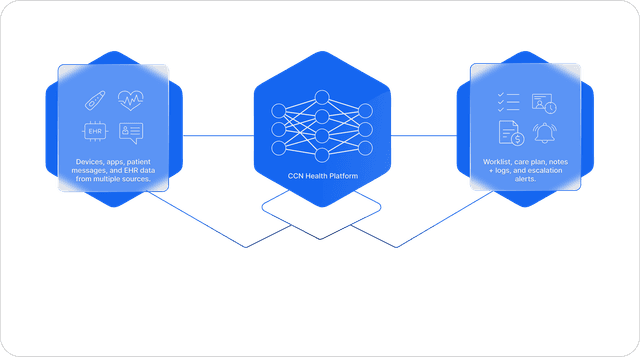
CCN Health provides bi-directional integration with all major independent living EHR systems:
- Resident/patient demographics sync automatically
- Monitoring data flow into existing EHR workflows
- Clinical alerts appear within the EHR — no separate portal required
- Billing documentation generates automatically for RPM time tracking
Since most independent living communities lack a facility EHR, monitoring data routes directly to each resident's external physician practice (athenahealth, Epic, Charm, etc.). CCN Health manages the data routing to ensure each resident's readings reach the correct physician system.
Getting Started: Implementing RPM in Your Independent Living Facilitie
A typical RPM implementation in independent living follows a 4–8 week timeline:
- Week 1–2: External physician practice recruitment and onboarding, community wellness programming integration, resident interest survey
- Week 3–4: Initial resident enrollment cohort identified, devices distributed to apartments, cellular connectivity verified
- Week 5–6: Resident education sessions (often group format in community wellness center), portal access configured
- Week 7–8: Monitoring go-live, physician billing activation, ongoing enrollment expansion through wellness programming
Independent living implementations often grow organically — early adopters share their experience with neighbors, creating word-of-mouth enrollment growth within the community.
Ready to implement RPM in your independent living facilitie? CCN Health provides full-service Remote Patient Monitoring with EHR integration, clinical oversight, and billing optimization purpose-built for independent living.
Disclaimer: This article is for informational purposes only and does not constitute medical, legal, or billing advice. CPT code reimbursement amounts are estimates based on CMS published fee schedules and may vary by region, payer, and clinical circumstances. Always consult qualified healthcare, billing, and technology professionals for guidance specific to your facility.
Let's figure this out together
We work closely with every client to find the right approach for their practice. Think of us as your partner, not just a platform.
Topics
Your Partner in Chronic Care
We love working closely with our clients to find the best solutions. Let us help guide you through the complicated stuff.
Why It Matters
Key Benefits
See how this approach drives measurable improvements across your organization.
RPM Program Management
Full Remote Patient Monitoring program delivery including enrollment, monitoring, clinical review, and billing documentation — purpose-built for independent living workflows.
EHR Integration
Bi-directional integration with Often no facility EHR — routes to external physician ensures monitoring data flows into existing clinical workflows without manual data entry.
Revenue Optimization
~$145–185 per patient per month with RPM. Program stacking with CCM and PCM increases per-patient revenue further.
Aging-in-Place
Early detection of health changes preserves independence — residents stay in independent living longer by addressing conditions before they escalate.
Self-Managed Wellness
Residents incorporate monitoring into daily routines — no staff burden, no clinical infrastructure needed at the community level.
Organic Growth
Early adopter residents share experiences with neighbors — RPM programs in independent living grow through word-of-mouth within the community.
Continue Reading
Related Articles
Explore more insights on this topic.
What Is Remote Patient Monitoring? A Complete Guide to RPM
A complete guide to Remote Patient Monitoring — what it is, how it works, who qualifies, which devices are used, and how providers bill Medicare for RPM services.
Remote Patient Monitoring for Senior Living — 2026 Guide
How Remote Patient Monitoring works in senior living communities — device deployment, wellness-focused monitoring, EHR integration with ALIS and August Health, and Medicare billing for independent and assisted living settings.
Chronic Care Management for Independent Living — 2026 Guide
How CCM works in independent living — preventive care coordination for active seniors with multiple conditions, medication adherence support, specialist management, and Medicare billing through external physicians.
Common Questions
Frequently Asked Questions
Get answers to the most common questions about this topic.
Remote Patient Monitoring (RPM) for independent living is a Medicare-reimbursable program. active, independent seniors use self-managed cellular monitoring devices as part of a proactive wellness program, with clinical data flowing to their external physicians for oversight and Medicare billing. Medicare beneficiaries with one or more chronic conditions.
RPM generates ~$145–185 per patient per month through CPT codes 99453, 99454, 99457, 99458. With CCM stacking, combined revenue reaches $220–315/patient/month. Adding BHI or RTM for qualifying patients can exceed $370/month.
CCN Health integrates with Often no facility EHR — routes to external physician for independent living facilities. Independent living communities may not have a facility EHR. All monitoring data flows bi-directionally between CCN Health and the facility/physician EHR.
Yes — Medicare RPM requires one or more chronic conditions, which most independent living residents have (hypertension alone qualifies). Independent living residents do not need to be in a Medicare-certified facility. Billing flows through the resident's external physician practice.
Yes — this population is increasingly health-conscious and tech-savvy. Many IL residents actively seek health monitoring technology. RPM fits naturally into their wellness routines and provides peace of mind for both residents and families. Community wellness directors report strong demand when programs are introduced.
RPM catches health changes early — before conditions escalate to a level requiring assisted living or skilled nursing. A trending blood pressure increase or weight gain can be addressed with medication adjustment rather than waiting until an emergency triggers a care level transition. This early intervention preserves independence and delays the need for higher-acuity care.
Still have questions? We love helping practices figure this out — no pressure, just real answers.

Your Partner in Chronic Care
We're Here to Guide You Every Step of the Way
RPM, CCM, and chronic care management can get complicated. We work closely with every client to figure out the best solutions for their practice.