business
RPM in Texas: Medicaid Coverage, Telehealth Laws & Senior Care Opportunities
Texas has approximately 3.9 million residents aged 65+, telehealth parity laws, and interstate licensure compact membership — making it one of the most significant RPM markets in the U.S. This guide covers Medicaid coverage, STAR+PLUS managed care, and implementation strategies for Texas practices.
Texas supports RPM through Medicare and Texas Medicaid programs. Medicare RPM billing follows the standard federal framework (CPT codes 99453, 99454, 99457, 99458). Texas has telehealth parity laws and is a member of the Interstate Medical Licensure Compact. The STAR+PLUS managed care program covers RPM for dual-eligible beneficiaries. Texas has approximately 3.9 million residents aged 65+, with senior population growth projected at +35% by 2035. Practices should consult their MAC and billing specialists for state-specific guidance.
Texas's RPM Landscape
Texas is one of the largest and most dynamic RPM markets in the United States. With approximately 3.9 million residents aged 65 and older, telehealth parity legislation, membership in the Interstate Medical Licensure Compact, and a massive geographic footprint that includes significant rural and underserved populations, the state presents both extraordinary opportunity and unique implementation considerations for remote patient monitoring programs.
This guide covers the regulatory, coverage, and implementation considerations for practices launching or expanding RPM in Texas.
Important: State regulatory information in this article is informational only. Consult your MAC and billing specialist for guidance specific to your practice.
Medicare RPM Billing in Texas
Federal Framework, Local Rates
Medicare RPM billing in Texas follows the same federal CPT code structure as all states:
| CPT Code | Description | Estimated National Rate |
|---|---|---|
| 99453 | Setup & Education | ~$22 (one-time) |
| 99454 | Device Supply & Transmission | ~$52/month |
| 99457 | Clinical Review (first 20 min) | ~$52/month |
| 99458 | Additional Review (each 20 min) | ~$41/month |
Estimates based on CMS published fee schedules. Actual Texas rates may vary based on GPCI locality adjustments.
Texas spans multiple GPCI localities with different cost-of-living indices. Metropolitan areas like Houston, Dallas-Fort Worth, Austin, and San Antonio may have different rate adjustments than rural areas in West Texas, the Panhandle, or the Rio Grande Valley. Practices should verify their locality-specific rates through the CMS Physician Fee Schedule lookup tool.
Medicare Administrative Contractor
Texas Medicare claims are processed by Novitas Solutions, which serves as the MAC for Jurisdiction H. Novitas publishes Local Coverage Determinations (LCDs) and articles that may impact RPM billing — practices should monitor Novitas communications for state-relevant guidance and policy updates.
Texas Medicare Population
Texas has one of the largest Medicare populations in the country, driven by both the state's overall population size and its rapidly growing senior demographic. Key factors relevant to RPM:
- Significant concentrations of Medicare beneficiaries in the Dallas-Fort Worth, Houston, San Antonio, and Austin metropolitan areas
- Rapidly growing senior population driven by both aging demographics and interstate migration from higher-cost states
- Large and growing Hispanic/Latino senior population requiring culturally competent care delivery and, in many cases, bilingual device support and patient education materials
Texas Medicaid and RPM Coverage
STAR+PLUS Managed Care
Texas Medicaid operates primarily through managed care organizations (MCOs). The STAR+PLUS program is the most relevant Medicaid program for RPM, serving adults with disabilities and dual-eligible beneficiaries aged 65 and older. STAR+PLUS integrates acute care and long-term services and supports, and includes coverage for remote monitoring as part of its care management approach.
Key aspects of STAR+PLUS and RPM:
Dual-eligible coordination: For patients enrolled in both Medicare and STAR+PLUS, Medicare is typically the primary payer for RPM services. STAR+PLUS provides supplemental care coordination benefits that can complement an RPM program.
Managed care plan variation: Texas contracts with multiple MCOs to administer STAR+PLUS across different service areas. RPM coverage details, prior authorization requirements, and reimbursement rates may vary by MCO. Practices should verify coverage with each plan individually.
Enrollment scale: Texas Medicaid covers approximately 5.3 million enrollees across all programs, with STAR+PLUS serving a significant portion of the aged and disabled population. This represents a substantial patient pool for practices that navigate managed care RPM requirements.
Other Texas Medicaid Programs
Beyond STAR+PLUS, other Texas Medicaid programs may intersect with RPM:
- STAR Health serves children in foster care and may have different telehealth and remote monitoring provisions
- STAR+PLUS Home and Community-Based Services (HCBS) waiver participants may benefit from RPM as part of their community-based care plans
- Dual Special Needs Plans (D-SNPs) operating in Texas integrate Medicare and Medicaid benefits, and some include RPM as a supplemental benefit
Practices should verify current coverage with the Texas Health and Human Services Commission (HHSC) for each program.
Texas Telehealth Regulatory Environment
Telehealth Parity Laws
Texas has enacted telehealth parity legislation that requires commercial health benefit plans to cover telehealth services. The state's regulatory framework establishes that telehealth services should be covered when the same services would be covered if delivered in person, supporting the broader adoption of remote care technologies.
Interstate Medical Licensure Compact
Texas is a member of the Interstate Medical Licensure Compact (IMLC), which provides an expedited pathway for physicians to obtain licensure in multiple compact member states. This is particularly relevant for RPM programs that serve patients across state lines or employ physicians licensed in other states. The Compact streamlines the credentialing process for multi-state RPM operations.
Implications for RPM Programs
Texas's telehealth regulatory environment has practical implications for RPM:
- Commercial payer coverage: Telehealth parity laws encourage commercial insurers to develop RPM-specific coverage policies, expanding the addressable patient population
- Provider licensure: Providers delivering RPM services to Texas patients must hold an active Texas medical license, though the IMLC can expedite the licensing process
- Informed consent: Texas requires documented patient consent for telehealth and remote monitoring services, consistent with federal RPM consent requirements
- Prescriptive authority: Texas telehealth regulations address prescriptive authority for remote providers, which may be relevant when RPM data triggers medication adjustments
Texas Health System Landscape
Major Health Systems
Texas's healthcare market is anchored by several large health systems that operate extensive networks across the state:
- HCA Healthcare — One of the nation's largest for-profit health systems with a significant Texas presence, including hospitals across the Dallas-Fort Worth, Houston, Austin, and San Antonio markets
- Baylor Scott & White Health — The largest not-for-profit health system in Texas, with a strong presence across North and Central Texas
- Memorial Hermann Health System — Houston's largest not-for-profit health system, operating multiple hospitals and outpatient facilities in the Greater Houston area
- Texas Health Resources — Major North Texas health system with hospitals and outpatient facilities across the Dallas-Fort Worth metroplex
- MD Anderson Cancer Center — World-renowned cancer center in Houston's Texas Medical Center, with specialty chronic care needs that can include RPM-eligible conditions
These systems represent potential partners, referral sources, and integration points for RPM programs. Practices that establish RPM referral relationships with health system physicians can build steady enrollment pipelines.
Independent Practices and Group Opportunities
Texas has a large and active independent practice community, particularly in primary care, internal medicine, cardiology, pulmonology, and endocrinology — all specialties with strong RPM use cases. Independent practices often have the flexibility to implement RPM rapidly and may find the per-patient recurring revenue especially impactful for their financial sustainability.
Regional Implementation Considerations
Urban Markets (Dallas-Fort Worth, Houston, San Antonio, Austin)
Texas's major metropolitan areas offer high patient density and robust healthcare infrastructure:
- Higher concentrations of Medicare beneficiaries per square mile
- More specialists, health systems, and post-acute care facilities to coordinate with
- Growing and diverse patient populations requiring multilingual support, particularly Spanish-language materials
- Generally strong cellular connectivity supporting cellular-enabled devices
- Multiple MCOs competing in each market, creating varied payer coverage landscapes
Suburban and Exurban Growth Corridors
Texas is experiencing rapid suburban growth in areas surrounding its major metros — communities like Frisco, McKinney, Round Rock, Katy, and New Braunfels are seeing explosive population growth including retirees:
- Fast-growing senior populations as communities mature and attract retirees
- Newer medical practices and clinics looking for differentiation and additional revenue streams
- Growing senior living communities creating institutional RPM enrollment opportunities
- Established primary care networks expanding to serve growing populations
Rural Markets (West Texas, Panhandle, Rio Grande Valley, East Texas)
Rural Texas presents the most compelling clinical case for RPM, along with unique implementation challenges:
- Higher chronic disease burden in many rural communities, particularly diabetes, hypertension, and obesity
- Fewer specialists and longer travel distances to tertiary care centers, making remote monitoring clinically valuable
- Many designated Health Professional Shortage Areas (HPSAs) and Medically Underserved Areas (MUAs)
- Potential cellular connectivity gaps in some remote areas — practices should verify carrier coverage maps before selecting devices
- Federally Qualified Health Centers (FQHCs) and Rural Health Clinics (RHCs) serve as primary care access points, with distinct billing rules that may affect RPM reimbursement
- Border communities in the Rio Grande Valley may have unique dual-eligible and cross-border care coordination needs
Senior Living and Post-Acute Opportunities
Texas Senior Living Market
Texas has a large and growing senior living market, with thousands of assisted living facilities, memory care communities, independent living campuses, and skilled nursing facilities. These communities represent concentrated RPM enrollment opportunities:
- Residents typically have multiple chronic conditions requiring ongoing monitoring (hypertension, diabetes, heart failure, COPD)
- Facility infrastructure supports efficient device distribution, patient education, and ongoing clinical monitoring
- On-site or visiting clinical staff can manage RPM workflows within existing care routines
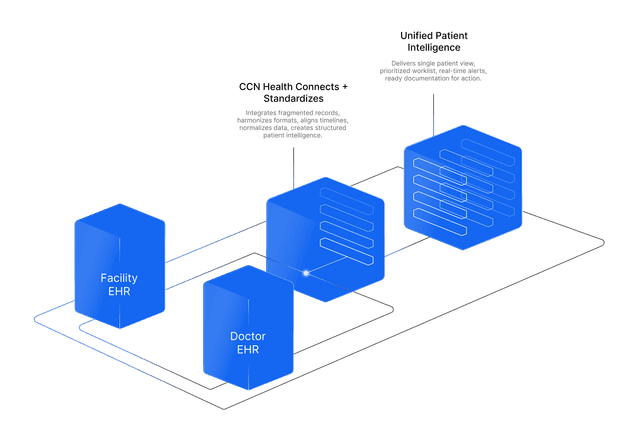
- Integration with facility EHR systems (like PointClickCare or ALIS) streamlines data flow and clinical documentation
Skilled Nursing and Long-Term Care
Texas's skilled nursing facilities, many of which are focused on reducing hospital readmissions and managing complex chronic conditions, can leverage RPM to provide continuous physiologic monitoring. RPM data supports discharge planning, early intervention on deteriorating trends, and objective documentation of clinical status over time.
Home Health and Community-Based Care
Texas's large geographic footprint makes home health services essential for many rural and suburban seniors. RPM complements home health by providing continuous data between in-person visits, extending clinical oversight and enabling earlier intervention when vital sign trends indicate a change in condition.
Getting Started with RPM in Texas
Step 1: Assess Your Patient Population
Identify the number of patients in your practice with chronic conditions amenable to RPM monitoring. Hypertension, diabetes (Type 1 and Type 2), heart failure, COPD, and chronic kidney disease are the most common qualifying conditions. Even a modest percentage of your chronic care patients can support a financially sustainable RPM program.
Step 2: Verify Payer Coverage
For each major payer in your Texas practice, confirm RPM coverage and billing requirements:
- Medicare: Standard federal RPM codes with GPCI-adjusted rates for your Texas locality, processed through Novitas Solutions
- STAR+PLUS / Texas Medicaid: Verify coverage with HHSC and your specific managed care organizations
- Commercial: Contact payer representatives to confirm RPM-specific coverage policies under Texas telehealth parity laws
Step 3: Select a Technology Partner
Choose an RPM platform that supports Texas-specific requirements:
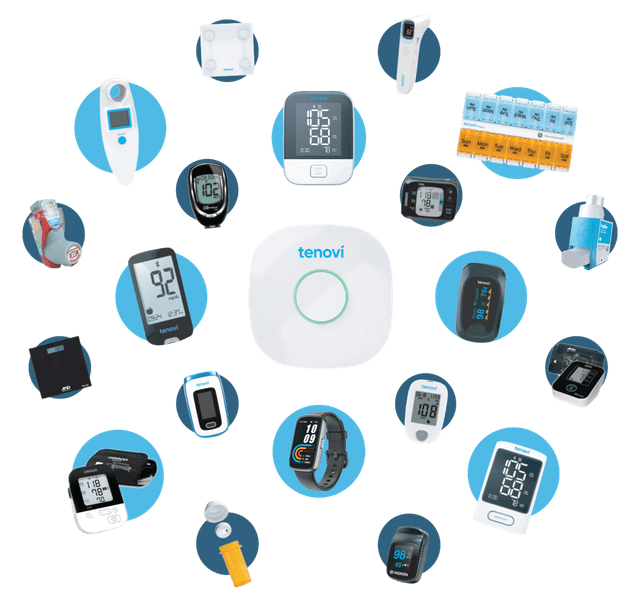
- Cellular-enabled devices with reliable coverage across Texas's diverse geography, including rural areas
- Bilingual (English/Spanish) patient education materials for Texas's diverse patient population
- EHR integration with systems common in your market (Epic, athenahealth, PointClickCare, etc.)
- Compliance tracking for both Medicare and Medicaid documentation requirements
- Automated 16-day reading threshold monitoring and patient engagement alerts
Step 4: Address Rural Connectivity
If your practice serves rural patients, verify cellular carrier coverage maps for the specific areas you serve. Cellular-enabled devices eliminate the need for patient smartphones or WiFi, but they require adequate cellular signal. Identify any coverage gaps and plan accordingly — some practices use gateway devices or alternative connectivity solutions for patients in areas with limited cellular coverage.
Step 5: Launch and Scale
Begin with a pilot cohort of your highest-acuity patients, establish clinical workflows and billing processes, and scale enrollment systematically. Target consistent billing rates for 99454 by maintaining strong patient engagement, automated compliance monitoring, and proactive outreach for patients at risk of falling below the 16-day reading threshold.
Conclusion
Texas's RPM market is defined by scale, growth, and geographic diversity. The combination of approximately 3.9 million seniors, projected +35% population growth by 2035, STAR+PLUS Medicaid coverage for dual-eligible patients, and telehealth parity laws creates a favorable environment for practices of all sizes to build sustainable RPM programs.
The state's vast geography makes RPM particularly impactful in rural and underserved communities where access to specialists and regular in-person monitoring is limited. For urban and suburban practices, the sheer volume of Medicare beneficiaries and the growing senior population create one of the largest addressable RPM markets in the country.
Texas practices that invest in the right technology infrastructure — cellular-enabled devices, bilingual patient education, and automated compliance tracking — are well-positioned to capture significant RPM revenue while extending chronic care access to the patients who need it most.
Disclaimer: This article is for informational purposes only and does not constitute medical, legal, or billing advice. CPT code reimbursement amounts are estimates based on CMS published fee schedules and may vary by region, payer, and clinical circumstances. State-specific regulatory information is subject to change. Always consult qualified healthcare and billing professionals for guidance specific to your practice.
Let's figure this out together
We work closely with every client to find the right approach for their practice. Think of us as your partner, not just a platform.
Topics
Your Partner in Chronic Care
We love working closely with our clients to find the best solutions. Let us help guide you through the complicated stuff.
Why It Matters
Key Benefits
See how this approach drives measurable improvements across your organization.
Massive Market
Texas's 3.9 million seniors 65+ and projected +35% growth by 2035 create one of the nation's largest and fastest-growing addressable RPM populations.
Rural Impact
Texas's vast rural geography — with many Health Professional Shortage Areas — makes RPM especially valuable for extending chronic care access to underserved communities.
Regulatory Support
Telehealth parity laws and Interstate Medical Licensure Compact membership create a favorable environment for remote monitoring programs across the state.
Dual-Eligible Coverage
The STAR+PLUS managed care program provides RPM coverage for dual-eligible beneficiaries, expanding the patient population beyond traditional Medicare fee-for-service.
Continue Reading
Related Articles
Explore more insights on this topic.
BHI Billing Guide: Behavioral Health Integration CPT Codes & Requirements
A detailed guide to Behavioral Health Integration billing — covering CPT codes 99484, 99492, and 99493, the Collaborative Care Model (CoCM), PHQ-9 and GAD-7 screening requirements, qualifying behavioral health conditions, and strategies for integrating BHI into primary care practice.
How to Bring RPM In-House: A 2027 Transition Playbook
CMS has proposed paying for RPM and RTM only when practice-employed clinical staff furnish the services, effective January 1, 2027 if finalized. For every practice running RPM on contracted staffing, that starts a clock. This playbook walks through the seven steps of a clean transition: mapping your exposure, hiring an employed team, choosing self-service software, and running a cutover month without a billing gap.
CCM Billing Guide: CPT Codes 99490, 99491, 99439 & Requirements
A comprehensive breakdown of all CCM CPT codes — 99490, 99491, and 99439 — covering patient eligibility, consent requirements, documentation standards, complex CCM criteria, common denials, and revenue projections for chronic care management programs.
Common Questions
Frequently Asked Questions
Get answers to the most common questions about this topic.
Texas Medicaid covers RPM primarily through its managed care programs. The STAR+PLUS managed care program, which serves dual-eligible beneficiaries (those eligible for both Medicare and Medicaid), includes coverage for RPM services. Coverage details, eligible provider types, and reimbursement structures may vary by managed care plan. Practices should verify current RPM coverage policies with the Texas Health and Human Services Commission (HHSC) and their specific managed care organizations.
STAR+PLUS is Texas's Medicaid managed care program that serves adults with disabilities and those aged 65 and older who are dually eligible for Medicare and Medicaid. The program integrates acute and long-term care services, and includes coverage for RPM as part of its care management approach. For dual-eligible patients enrolled in STAR+PLUS, Medicare typically remains the primary payer for RPM services, with STAR+PLUS providing additional care coordination benefits.
Texas has enacted telehealth parity legislation requiring commercial health plans to cover telehealth services. The state also participates in the Interstate Medical Licensure Compact, which streamlines provider licensing for physicians delivering remote care across state lines. While these laws primarily address synchronous telehealth, they reflect Texas's supportive regulatory approach toward remote care models including RPM. Practices should verify how RPM is classified under Texas insurance regulations for each payer.
Texas practices bill Medicare RPM using the same federal CPT codes as all other states: 99453 (setup, ~$22 one-time), 99454 (device supply, ~$52/month), 99457 (first 20 min clinical review, ~$52/month), and 99458 (additional 20 min, ~$41/month). Reimbursement rates are estimates based on CMS published fee schedules and may vary based on the Geographic Practice Cost Index (GPCI) for your Texas locality. The Novitas Solutions MAC administers Medicare for Texas providers.
Still have questions? We love helping practices figure this out — no pressure, just real answers.

Your Partner in Chronic Care
We're Here to Guide You Every Step of the Way
RPM, CCM, and chronic care management can get complicated. We work closely with every client to figure out the best solutions for their practice.