business
RPM Patient Engagement: How to Achieve High Compliance and Sustained Monitoring
Patient engagement is the single biggest factor in RPM program success. The 16-day reading threshold determines whether you can bill CPT 99454 each month — making sustained engagement a clinical and financial imperative. This guide covers the strategies that drive high compliance rates.
RPM patient engagement determines both clinical outcomes and billing success. Medicare requires at least 16 days of device readings per 30-day period to bill CPT 99454. The most effective engagement strategies include using cellular-connected devices that require no apps or WiFi, simplifying the measurement workflow to a single step, providing regular clinical check-ins, involving family members in the monitoring process, and using automated reminders for patients approaching the 16-day threshold. Programs using cellular-enabled devices with simplified workflows typically achieve engagement rates above 90%.
Why Patient Engagement Is the Foundation of RPM Success
Patient engagement is not a secondary consideration in RPM — it is the foundational requirement that determines whether a program succeeds or fails. The connection between engagement and outcomes is direct: patients who use their devices consistently generate the continuous data that powers clinical decision-making. And the connection between engagement and revenue is equally direct: Medicare requires at least 16 days of device readings per 30-day period to bill CPT 99454, making patient compliance a literal billing prerequisite.
Programs that treat engagement as an afterthought — enrolling patients, distributing devices, and hoping for compliance — consistently underperform. Programs that design engagement into every aspect of their workflow, from device selection to patient education to ongoing outreach, achieve billing rates above 90% and deliver the clinical benefits that justify RPM's growing role in chronic care management.
The 16-Day Rule: Understanding the Stakes
What the Rule Requires
CMS requires that a patient record device readings on at least 16 of 30 calendar days within the billing period to support a CPT 99454 claim. This is not a soft target or a best practice — it is a hard billing threshold. Fifteen days of readings means zero reimbursement for device supply and transmission that month.
The Financial Impact
At an estimated ~$52 per month, 99454 represents a significant portion of monthly RPM revenue. For a practice with 200 RPM patients, even a 10% drop in 16-day compliance translates to an estimated loss of approximately $1,040 per month in 99454 revenue alone. Over a year, that compounds to more than $12,000 — and that does not account for the downstream impact on 99457 and 99458 billing, which depends on having sufficient device data to review.
Why Patients Fall Below the Threshold
Understanding the common reasons patients fail to meet the 16-day threshold is essential for designing effective engagement strategies:
- Technology barriers: Difficulty using the device, pairing Bluetooth devices with smartphones, maintaining WiFi connectivity, or navigating companion apps
- Motivation gaps: Patients who do not understand why daily monitoring matters or who do not feel their readings are being reviewed
- Health interruptions: Hospitalization, acute illness, or changes in living situation that temporarily disrupt monitoring routines
- Forgetfulness: Patients who intend to use their device but forget, particularly when monitoring is not integrated into an existing daily routine
- Device issues: Equipment malfunction, battery failure, or connectivity problems that prevent data transmission
The Cellular Device Advantage
Eliminating the Technology Barrier
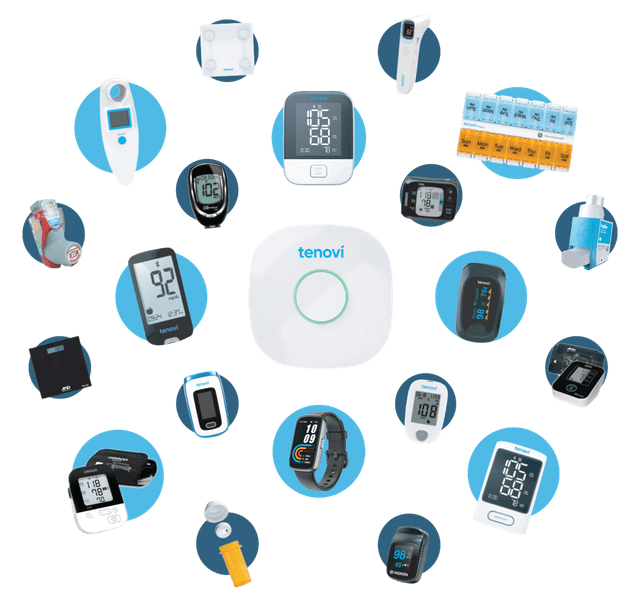
The single most impactful decision an RPM program can make for patient engagement is selecting cellular-connected devices. Cellular devices transmit data automatically over cellular networks — no smartphone required, no app to download, no Bluetooth pairing, no WiFi password to enter.
For senior patients, who represent the largest RPM-eligible population, this simplicity is transformative. The measurement process is reduced to a single action:
- Blood pressure: Place the cuff on your arm, press the button
- Weight: Step on the scale
- Glucose: Insert the test strip, apply the blood sample
There is no second step. The device handles data transmission invisibly. Programs using cellular-enabled devices with this simplified workflow typically achieve engagement rates above 90%.
Why Bluetooth and App-Based Workflows Underperform
Bluetooth devices require patients to:
- Own a compatible smartphone
- Download and install a companion app
- Create an account and complete setup
- Pair the device via Bluetooth (often requiring troubleshooting)
- Keep the app running and Bluetooth enabled during each measurement
- Maintain WiFi connectivity for data upload
Each step introduces a potential failure point. For technology-savvy patients, these steps are manageable. For seniors, patients with limited English proficiency, patients with visual impairments, or patients who simply prefer simplicity, each step is a barrier to engagement. Programs that rely on Bluetooth workflows typically see lower and more variable engagement rates.
Zero Apps Required
The phrase "zero apps required" is not a marketing slogan — it describes a fundamentally different engagement model. When a device requires no app, the practice eliminates:
- App store access and download issues
- Account creation friction
- Software update prompts that confuse patients
- App permission requests (location, Bluetooth, notifications)
- Battery optimization settings that kill background app processes
- The cognitive load of managing yet another app on the patient's phone
Designing for Engagement: Workflow Strategies
Onboarding That Sets the Tone
The first three days after device distribution are the most critical period for establishing engagement habits. Effective onboarding includes:
Day 0 — Device distribution and education: Walk the patient through a live demonstration. Have them take their first measurement while you watch. Confirm the reading transmitted successfully. This hands-on experience builds confidence and identifies any issues before the patient leaves.
Day 1 — Follow-up confirmation: Contact the patient (phone or text) to confirm they took their reading and ask if they have questions. This early outreach signals that the data matters and someone is watching.
Days 2-3 — Establish the routine: Help the patient integrate the measurement into an existing daily habit — morning coffee, after breakfast, or before bed. Linking the measurement to an existing anchor behavior dramatically improves retention.
Automated Reminder Systems
Automated reminders serve as a safety net for patients who miss readings. Effective reminder systems:
- Send a text or automated call if no reading is recorded by a set time each day
- Escalate to a clinical staff outreach call after two consecutive missed days
- Trigger priority alerts when a patient is approaching day 20 of the billing cycle with fewer than 16 readings
- Allow patients to customize reminder timing and format (text vs. call)
Monthly Clinical Check-Ins
Regular clinical check-ins serve a dual purpose: they satisfy the interactive communication requirement for CPT 99457 billing, and they reinforce patient engagement. During monthly check-ins, clinical staff should:
- Review the patient's trend data and highlight meaningful patterns
- Reinforce the clinical value of their daily readings ("Your blood pressure has been well-controlled this month — the readings are helping us confirm your medication is working")
- Address any device or workflow issues
- Confirm the patient's commitment to continued monitoring
Patients who understand that their data is being reviewed and acted upon are significantly more likely to maintain consistent engagement.
Family and Caregiver Involvement
For senior patients and those with cognitive decline, family involvement can be the difference between sustained engagement and device abandonment. Strategies for effective family involvement:
- Enroll a family contact during onboarding: With patient consent, designate a family member or caregiver as a secondary contact who receives engagement alerts and can be reached when the patient is non-responsive
- Share engagement dashboards: Some RPM platforms allow family members to view reading compliance, giving them visibility into whether their loved one is using the device
- Provide family education: Help family members understand the 16-day threshold and why consistent readings matter clinically
- Leverage existing caregiver routines: For patients with home health aides or assisted living staff, integrate RPM into the caregiver's existing care routine
Engagement by Patient Population
Seniors (65+)
The largest RPM-eligible population, seniors benefit most from:
- Cellular-connected devices with large displays and simple interfaces
- Single-step measurement workflows (no apps, no pairing)
- Consistent daily timing linked to existing routines
- Regular phone calls from clinical staff (not just automated messages)
- Family or caregiver involvement for accountability
- Clear explanations of how readings are used in their care
Patients with Multiple Chronic Conditions
Patients managing multiple conditions (e.g., hypertension and diabetes) may need to use multiple RPM devices. Engagement strategies for this population:
- Coordinate measurement times so all devices are used during the same daily window
- Prioritize the device most critical to their primary condition
- Provide clear instructions that distinguish between devices
- Monitor engagement separately for each device type to identify specific drop-off points
Post-Acute and Transitional Care Patients
Patients recently discharged from the hospital are often highly motivated initially but may lose engagement as they feel better. Strategies include:
- Capitalize on the discharge window by enrolling and distributing devices before discharge when possible
- Emphasize the connection between monitoring and avoiding readmission
- Provide intensive outreach during the first 30 days post-discharge
- Transition to a standard engagement cadence once the patient stabilizes
Assisted Living and SNF Residents
Institutional settings offer unique engagement advantages because clinical staff can integrate RPM into daily care routines:
- Train facility staff to assist with or supervise daily measurements
- Integrate RPM into the facility's existing vital sign collection workflow
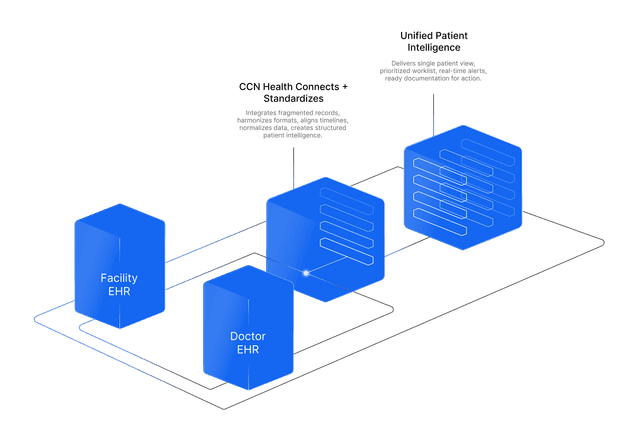
- Use facility EHR integration to automate data flow and documentation
- Leverage the structured environment to achieve near-100% compliance rates
Measuring Engagement: Key Metrics
Daily and Weekly Metrics
- Daily compliance rate: Percentage of enrolled patients who recorded a reading today
- Rolling 7-day compliance: Average daily compliance over the past week (detects trends earlier than monthly metrics)
- At-risk patient count: Number of patients with fewer than 10 readings by day 20 of the billing cycle
Monthly Metrics
- 16-day achievement rate: Percentage of patients meeting the billing threshold (target: above 90%)
- Average reading days per patient: Mean number of reading days across the entire patient panel
- 99454 billing rate: Percentage of enrolled patients billed for 99454 (should closely track the 16-day achievement rate)
Program Health Metrics
- Time-to-first-reading: How quickly new patients take their first measurement after device distribution (target: within 24 hours)
- 30-day retention rate: Percentage of patients still actively monitoring 30 days after enrollment
- Churn rate: Percentage of patients who stop using their device entirely each month
- Outreach-to-re-engagement rate: How often clinical intervention calls result in the patient resuming device use
Addressing Non-Compliance: A Systematic Approach
Tier 1: Automated Reminders (Days 1-2 of missed readings)
Automated text messages or calls reminding the patient to take their reading. This resolves the majority of missed-day events, which are typically caused by simple forgetfulness.
Tier 2: Clinical Staff Outreach (Days 3-5 of missed readings)
A direct phone call from a nurse or medical assistant. The call should:
- Confirm the patient's wellbeing (the absence of readings may indicate a health issue)
- Identify the specific barrier to device use
- Provide troubleshooting or re-education as needed
- Reinforce the importance of daily readings
Tier 3: Root Cause Intervention (Persistent non-compliance)
For patients who repeatedly fall below the 16-day threshold despite outreach, a more thorough assessment is needed:
- Technology barrier: Consider switching to a simpler device or providing additional in-person training
- Motivation barrier: Re-explain the clinical value and connect readings to specific care decisions
- Health barrier: Assess whether a change in health status (hospitalization, depression, functional decline) is preventing device use
- Appropriateness assessment: For some patients, RPM may not be the right fit — and continuing enrollment without engagement wastes resources and creates compliance risk
Tier 4: Program Decision
If sustained non-compliance continues after intervention, the practice should evaluate whether the patient should remain in the RPM program. Maintaining enrolled patients who consistently fail to meet the 16-day threshold dilutes program performance metrics and consumes outreach resources that could be directed toward engaged patients.
Conclusion
Patient engagement is not a nice-to-have feature of RPM — it is the operational core of the program. The 16-day reading threshold ties engagement directly to billing, making compliance both a clinical and financial imperative. Programs that design for engagement from the start — by selecting cellular-connected devices, simplifying measurement workflows, building systematic reminder and outreach processes, and involving family and caregivers — consistently achieve the high compliance rates that make RPM programs sustainable.
The most successful RPM programs treat engagement as a continuous process, not a one-time event. Daily monitoring of compliance metrics, proactive outreach for at-risk patients, and regular clinical check-ins create a feedback loop that sustains engagement over months and years. The result is better data, better clinical decisions, and a billing rate that supports long-term program growth.
Disclaimer: This article is for informational purposes only and does not constitute medical, legal, or billing advice. CPT code reimbursement amounts are estimates based on CMS published fee schedules and may vary by region, payer, and clinical circumstances. State-specific regulatory information is subject to change. Always consult qualified healthcare and billing professionals for guidance specific to your practice.
Let's figure this out together
We work closely with every client to find the right approach for their practice. Think of us as your partner, not just a platform.
Topics
Your Partner in Chronic Care
We love working closely with our clients to find the best solutions. Let us help guide you through the complicated stuff.
Why It Matters
Key Benefits
See how this approach drives measurable improvements across your organization.
Revenue Protection
High engagement directly protects RPM billing — every patient who consistently meets the 16-day threshold contributes to monthly recurring revenue through CPT 99454.
Clinical Outcomes
Sustained monitoring produces more comprehensive vital sign data, enabling earlier clinical interventions and better-informed care decisions.
Scalable Growth
Programs with high engagement rates can scale enrollment confidently, knowing that adding patients translates to proportional revenue growth.
Reduced Overhead
Cellular-connected devices and simplified workflows reduce time spent on technology troubleshooting, freeing clinical staff for patient care activities.
Program Sustainability
Practices with engagement rates above 90% build financially sustainable RPM programs that justify ongoing investment in staff, technology, and patient outreach.
Continue Reading
Related Articles
Explore more insights on this topic.
BHI Billing Guide: Behavioral Health Integration CPT Codes & Requirements
A detailed guide to Behavioral Health Integration billing — covering CPT codes 99484, 99492, and 99493, the Collaborative Care Model (CoCM), PHQ-9 and GAD-7 screening requirements, qualifying behavioral health conditions, and strategies for integrating BHI into primary care practice.
How to Bring RPM In-House: A 2027 Transition Playbook
CMS has proposed paying for RPM and RTM only when practice-employed clinical staff furnish the services, effective January 1, 2027 if finalized. For every practice running RPM on contracted staffing, that starts a clock. This playbook walks through the seven steps of a clean transition: mapping your exposure, hiring an employed team, choosing self-service software, and running a cutover month without a billing gap.
CCM Billing Guide: CPT Codes 99490, 99491, 99439 & Requirements
A comprehensive breakdown of all CCM CPT codes — 99490, 99491, and 99439 — covering patient eligibility, consent requirements, documentation standards, complex CCM criteria, common denials, and revenue projections for chronic care management programs.
Common Questions
Frequently Asked Questions
Get answers to the most common questions about this topic.
To bill CPT 99454 (device supply and data transmission, estimated ~$52/month), a patient must record device readings on at least 16 of 30 calendar days within the billing period. This means more than half the days must have at least one valid reading transmitted from the device. If a patient records only 15 days, the code cannot be billed for that month. This threshold makes patient engagement a direct financial requirement for RPM programs.
Cellular-connected RPM devices achieve higher engagement because they eliminate the most common technology barriers. Unlike Bluetooth devices that require a smartphone, app download, pairing, and WiFi connectivity, cellular devices transmit data automatically over cellular networks. The patient simply takes their measurement — no additional steps are required. For senior patients and those with limited technology experience, this simplicity is the single most impactful factor in sustained engagement.
Addressing non-compliance requires a systematic approach: (1) automated monitoring that flags patients falling below reading thresholds early in the billing cycle, (2) tiered outreach starting with automated reminders and escalating to phone calls from clinical staff, (3) root cause identification — is the barrier technology, motivation, health status, or forgetfulness? — and (4) tailored interventions that address the specific barrier. For patients with persistent non-compliance, reassessing whether RPM is appropriate for their clinical situation may be necessary.
Key engagement metrics include: daily reading compliance rate (percentage of enrolled patients recording a reading each day), monthly 16-day achievement rate (percentage of patients meeting the billing threshold), average reading days per patient per month, time-to-first-reading after enrollment, churn rate (patients who stop using their device entirely), and outreach-to-re-engagement conversion rate (how often intervention calls result in resumed device use). Tracking these metrics weekly enables proactive management rather than reactive month-end discoveries.
Family involvement improves RPM engagement through several mechanisms: family members can help with initial device setup and troubleshooting, they provide daily reminders and accountability, they can monitor engagement dashboards on behalf of the patient, they serve as secondary contacts when clinical staff cannot reach the patient, and they provide motivational support that reinforces the importance of daily monitoring. Practices should consider enrolling a family member or caregiver as part of the RPM onboarding process, with appropriate patient consent.
Still have questions? We love helping practices figure this out — no pressure, just real answers.

Your Partner in Chronic Care
We're Here to Guide You Every Step of the Way
RPM, CCM, and chronic care management can get complicated. We work closely with every client to figure out the best solutions for their practice.