RTM · Behavioral Health
RTM Qualifying Diagnoses
for Behavioral Health.
98 ICD-10-CM codes cover behavioral health patients for Remote Therapeutic Monitoring (RTM).
Qualifying Codes
ICD-10 codes for behavioral health.
Neurologic and cognitive
Migraine and other chronic headache
G43, G4488 codesccmrtmHeadache diary, trigger tracking and abortive-medication frequency.
Migraine and other chronic headache
G43, G4488 codesccmrtmCMS other chronic or potentially disabling condition · CCW category: Migraine and Other Chronic Headache · Devices: Patient-reported outcome app (RTM)
| Code | Official ICD-10-CM description | Programs | Risk adjustment |
|---|---|---|---|
| G43.001 | Migraine without aura, not intractable, with status migrainosus | ccmrtm | not risk adjusted |
| G43.009 | Migraine without aura, not intractable, without status migrainosus | ccmrtm | not risk adjusted |
| G43.011 | Migraine without aura, intractable, with status migrainosus | ccmrtm | not risk adjusted |
| G43.019 | Migraine without aura, intractable, without status migrainosus | ccmrtm | not risk adjusted |
| G43.101 | Migraine with aura, not intractable, with status migrainosus | ccmrtm | not risk adjusted |
| G43.109 | Migraine with aura, not intractable, without status migrainosus | ccmrtm | not risk adjusted |
| G43.111 | Migraine with aura, intractable, with status migrainosus | ccmrtm | not risk adjusted |
| G43.119 | Migraine with aura, intractable, without status migrainosus | ccmrtm | not risk adjusted |
| G43.401 | Hemiplegic migraine, not intractable, with status migrainosus | ccmrtm | not risk adjusted |
| G43.409 | Hemiplegic migraine, not intractable, without status migrainosus | ccmrtm | not risk adjusted |
| G43.411 | Hemiplegic migraine, intractable, with status migrainosus | ccmrtm | not risk adjusted |
| G43.419 | Hemiplegic migraine, intractable, without status migrainosus | ccmrtm | not risk adjusted |
| G43.501 | Persistent migraine aura without cerebral infarction, not intractable, with status migrainosus | ccmrtm | not risk adjusted |
| G43.509 | Persistent migraine aura without cerebral infarction, not intractable, without status migrainosus | ccmrtm | not risk adjusted |
| G43.511 | Persistent migraine aura without cerebral infarction, intractable, with status migrainosus | ccmrtm | not risk adjusted |
| G43.519 | Persistent migraine aura without cerebral infarction, intractable, without status migrainosus | ccmrtm | not risk adjusted |
| G43.601 | Persistent migraine aura with cerebral infarction, not intractable, with status migrainosus | ccmrtm | not risk adjusted |
| G43.609 | Persistent migraine aura with cerebral infarction, not intractable, without status migrainosus | ccmrtm | not risk adjusted |
| G43.611 | Persistent migraine aura with cerebral infarction, intractable, with status migrainosus | ccmrtm | not risk adjusted |
| G43.619 | Persistent migraine aura with cerebral infarction, intractable, without status migrainosus | ccmrtm | not risk adjusted |
| G43.701 | Chronic migraine without aura, not intractable, with status migrainosus | ccmrtm | not risk adjusted |
| G43.709 | Chronic migraine without aura, not intractable, without status migrainosus | ccmrtm | not risk adjusted |
| G43.711 | Chronic migraine without aura, intractable, with status migrainosus | ccmrtm | not risk adjusted |
| G43.719 | Chronic migraine without aura, intractable, without status migrainosus | ccmrtm | not risk adjusted |
| G43.801 | Other migraine, not intractable, with status migrainosus | ccmrtm | not risk adjusted |
| G43.809 | Other migraine, not intractable, without status migrainosus | ccmrtm | not risk adjusted |
| G43.811 | Other migraine, intractable, with status migrainosus | ccmrtm | not risk adjusted |
| G43.819 | Other migraine, intractable, without status migrainosus | ccmrtm | not risk adjusted |
| G43.821 | Menstrual migraine, not intractable, with status migrainosus | ccmrtm | not risk adjusted |
| G43.829 | Menstrual migraine, not intractable, without status migrainosus | ccmrtm | not risk adjusted |
| G43.831 | Menstrual migraine, intractable, with status migrainosus | ccmrtm | not risk adjusted |
| G43.839 | Menstrual migraine, intractable, without status migrainosus | ccmrtm | not risk adjusted |
| G43.901 | Migraine, unspecified, not intractable, with status migrainosus | ccmrtm | not risk adjusted |
| G43.909 | Migraine, unspecified, not intractable, without status migrainosus | ccmrtm | not risk adjusted |
| G43.911 | Migraine, unspecified, intractable, with status migrainosus | ccmrtm | not risk adjusted |
| G43.919 | Migraine, unspecified, intractable, without status migrainosus | ccmrtm | not risk adjusted |
| G43.A0 | Cyclical vomiting, in migraine, not intractable | ccmrtm | not risk adjusted |
| G43.A1 | Cyclical vomiting, in migraine, intractable | ccmrtm | not risk adjusted |
| G43.B0 | Ophthalmoplegic migraine, not intractable | ccmrtm | not risk adjusted |
| G43.B1 | Ophthalmoplegic migraine, intractable | ccmrtm | not risk adjusted |
| G43.C0 | Periodic headache syndromes in child or adult, not intractable | ccmrtm | not risk adjusted |
| G43.C1 | Periodic headache syndromes in child or adult, intractable | ccmrtm | not risk adjusted |
| G43.D0 | Abdominal migraine, not intractable | ccmrtm | not risk adjusted |
| G43.D1 | Abdominal migraine, intractable | ccmrtm | not risk adjusted |
| G43.E01 | Chronic migraine with aura, not intractable, with status migrainosus | ccmrtm | not risk adjusted |
| G43.E09 | Chronic migraine with aura, not intractable, without status migrainosus | ccmrtm | not risk adjusted |
| G43.E11 | Chronic migraine with aura, intractable, with status migrainosus | ccmrtm | not risk adjusted |
| G43.E19 | Chronic migraine with aura, intractable, without status migrainosus | ccmrtm | not risk adjusted |
| G44.001 | Cluster headache syndrome, unspecified, intractable | ccmrtm | not risk adjusted |
| G44.009 | Cluster headache syndrome, unspecified, not intractable | ccmrtm | not risk adjusted |
| G44.011 | Episodic cluster headache, intractable | ccmrtm | not risk adjusted |
| G44.019 | Episodic cluster headache, not intractable | ccmrtm | not risk adjusted |
| G44.021 | Chronic cluster headache, intractable | ccmrtm | not risk adjusted |
| G44.029 | Chronic cluster headache, not intractable | ccmrtm | not risk adjusted |
| G44.031 | Episodic paroxysmal hemicrania, intractable | ccmrtm | not risk adjusted |
| G44.039 | Episodic paroxysmal hemicrania, not intractable | ccmrtm | not risk adjusted |
| G44.041 | Chronic paroxysmal hemicrania, intractable | ccmrtm | not risk adjusted |
| G44.049 | Chronic paroxysmal hemicrania, not intractable | ccmrtm | not risk adjusted |
| G44.051 | Short lasting unilateral neuralgiform headache with conjunctival injection and tearing (SUNCT), intractable | ccmrtm | not risk adjusted |
| G44.059 | Short lasting unilateral neuralgiform headache with conjunctival injection and tearing (SUNCT), not intractable | ccmrtm | not risk adjusted |
| G44.091 | Other trigeminal autonomic cephalgias (TAC), intractable | ccmrtm | not risk adjusted |
| G44.099 | Other trigeminal autonomic cephalgias (TAC), not intractable | ccmrtm | not risk adjusted |
| G44.1 | Vascular headache, not elsewhere classified | ccmrtm | not risk adjusted |
| G44.201 | Tension-type headache, unspecified, intractable | ccmrtm | not risk adjusted |
| G44.209 | Tension-type headache, unspecified, not intractable | ccmrtm | not risk adjusted |
| G44.211 | Episodic tension-type headache, intractable | ccmrtm | not risk adjusted |
| G44.219 | Episodic tension-type headache, not intractable | ccmrtm | not risk adjusted |
| G44.221 | Chronic tension-type headache, intractable | ccmrtm | not risk adjusted |
| G44.229 | Chronic tension-type headache, not intractable | ccmrtm | not risk adjusted |
| G44.301 | Post-traumatic headache, unspecified, intractable | ccmrtm | not risk adjusted |
| G44.309 | Post-traumatic headache, unspecified, not intractable | ccmrtm | not risk adjusted |
| G44.311 | Acute post-traumatic headache, intractable | ccmrtm | not risk adjusted |
| G44.319 | Acute post-traumatic headache, not intractable | ccmrtm | not risk adjusted |
| G44.321 | Chronic post-traumatic headache, intractable | ccmrtm | not risk adjusted |
| G44.329 | Chronic post-traumatic headache, not intractable | ccmrtm | not risk adjusted |
| G44.40 | Drug-induced headache, not elsewhere classified, not intractable | ccmrtm | not risk adjusted |
| G44.41 | Drug-induced headache, not elsewhere classified, intractable | ccmrtm | not risk adjusted |
| G44.51 | Hemicrania continua | ccmrtm | not risk adjusted |
| G44.52 | New daily persistent headache (NDPH) | ccmrtm | not risk adjusted |
| G44.53 | Primary thunderclap headache | ccmrtm | not risk adjusted |
| G44.59 | Other complicated headache syndrome | ccmrtm | not risk adjusted |
| G44.81 | Hypnic headache | ccmrtm | not risk adjusted |
| G44.82 | Headache associated with sexual activity | ccmrtm | not risk adjusted |
| G44.83 | Primary cough headache | ccmrtm | not risk adjusted |
| G44.84 | Primary exertional headache | ccmrtm | not risk adjusted |
| G44.85 | Primary stabbing headache | ccmrtm | not risk adjusted |
| G44.86 | Cervicogenic headache | ccmrtm | not risk adjusted |
| G44.89 | Other headache syndrome | ccmrtm | not risk adjusted |
Musculoskeletal and pain
Chronic pain and fibromyalgia
M79.7, G89.2, G89.4, R52, G93.310 codesrtmccmbhiPain scores, sleep and function, with behavioural support where indicated.
Chronic pain and fibromyalgia
M79.7, G89.2, G89.4, R52, G93.310 codesrtmccmbhiCMS other chronic or potentially disabling condition · CCW category: Fibromyalgia, Chronic Pain and Fatigue · Devices: Patient-reported outcome app (RTM)
G89.4 (chronic pain syndrome) and G89.29 (other chronic pain) are secondary codes. Code the underlying condition alongside.
| Code | Official ICD-10-CM description | Programs | Risk adjustment |
|---|---|---|---|
| G89.21 | Chronic pain due to trauma | rtmccmbhi | not risk adjusted |
| G89.22 | Chronic post-thoracotomy pain | rtmccmbhi | not risk adjusted |
| G89.28 | Other chronic postprocedural pain | rtmccmbhi | not risk adjusted |
| G89.29 | Other chronic pain | rtmccmbhi | not risk adjusted |
| G89.4 | Chronic pain syndrome | rtmccmbhi | not risk adjusted |
| G93.31 | Postviral fatigue syndrome | rtmccmbhi | not risk adjusted |
| G93.32 | Myalgic encephalomyelitis/chronic fatigue syndrome | rtmccmbhi | not risk adjusted |
| G93.39 | Other post infection and related fatigue syndromes | rtmccmbhi | not risk adjusted |
| M79.7 | Fibromyalgia | rtmccmbhi | not risk adjusted |
| R52 | Pain, unspecified | rtmccmbhi | not risk adjusted |
No codes match those filters. Clear a filter to widen the search.
Clinical Context
Why behavioral health practices benefit from RTM.
Behavioral Health practices can leverage RTM to improve patient outcomes through structured care management, generating $97–$220+ per patient per month in Medicare reimbursement while reducing avoidable hospitalizations.
Related Conditions
Condition monitoring guides.
FAQ
Common questions.
What ICD-10 codes qualify behavioral health patients for RTM?
CMS publishes no list of codes that qualify a patient for RTM: eligibility turns on the condition and on documented medical necessity. For behavioral health, 98 billable ICD-10-CM codes cover the conditions RTM manages, spanning 2 conditions including migraine and other chronic headache, chronic pain and fibromyalgia.
How does CCN Health support behavioral health practices with RTM?
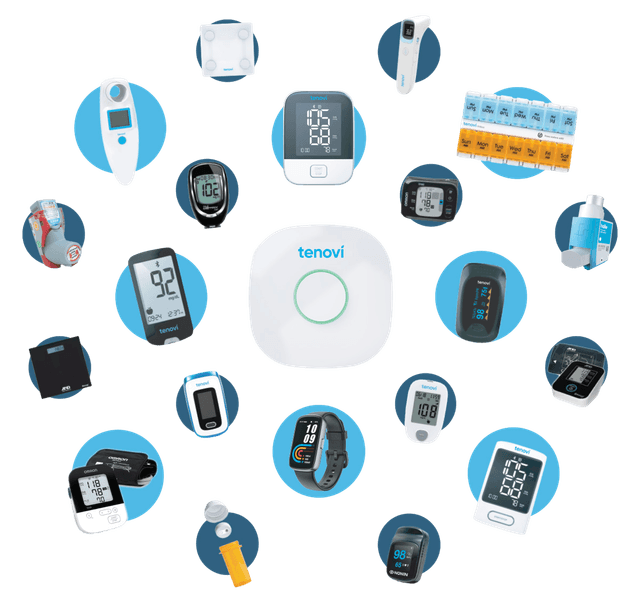
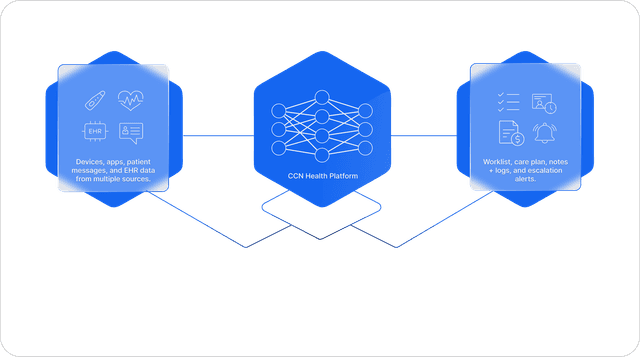
CCN Health provides turnkey RTM services for behavioral health practices, including patient eligibility identification, enrollment documentation, device provisioning, clinical monitoring, and full Medicare billing support.
What is the revenue potential for RTM in behavioral health?
Reimbursement varies by locality and payer contract, so see the RTM billing guide for current figures. Behavioral Health practices with a high prevalence of these conditions generally see the most benefit, particularly when RTM is combined with RPM and CCM for patients whose needs are distinct enough to document separately.
Sources & Compliance
Code set. Every code on this page is drawn from the official ICD-10-CM ICD-10-CM FY2026 (valid 2025-10-01 through 2026-09-30) released by CDC/NCHS, and only codes flagged valid for submission are listed. ICD-10-CM is published by the federal government and is in the public domain, so the descriptions here are the official long descriptors reproduced verbatim rather than summarized. The next code set, ICD-10-CM FY2027 (valid from 2026-10-01), is already reflected in the change flags.
Eligibility is not a code list. CMS does not publish a list of ICD-10 codes that qualify a patient for RPM, CCM, PCM, BHI, or RTM. Eligibility turns on the condition and on documented medical necessity. The programs shown against each condition are CCN Health’s clinical assessment of which programs that condition can support, not a statement of CMS approval.
Risk adjustment. HCC labels and category assignments come from the CMS-HCC V28 model for the 2026 payment year. Risk adjustment depends on the full encounter record, not on a single code, and the flags here are a prompt to check specificity rather than a payment guarantee.
CPT® notice. CPT is a registered trademark of the American Medical Association. CPT codes, descriptions, and other data only are copyright 2026 American Medical Association. All rights reserved. CPT is provided “as is” without warranty of any kind.
Sources. ICD-10-CM files, CDC/NCHS (cdc.gov); CMS Chronic Conditions Data Warehouse condition categories (ccwdata.org); CMS-HCC risk adjustment model software and ICD-10 mappings (cms.gov); AHRQ Clinical Classifications Software Refined (ahrq.gov).
Disclaimer. This page is informational and does not constitute billing, clinical, or legal advice. Diagnosis coding must reflect the documentation in the medical record. Verify all codes against the official CMS and CDC/NCHS publications and your contracted payer agreements before billing.