RPM for Skilled Nursing.
Remote patient monitoring and chronic care management designed for skilled nursing — reducing hospital readmissions and supporting post-acute recovery.
Challenges
Skilled Nursing challenges we solve.
Understanding the unique needs of skilled nursing facilities.
Hospital Readmissions
SNFs face financial penalties and quality metric impacts from avoidable 30-day hospital readmissions, particularly for heart failure, pneumonia, and COPD.
Post-Acute Transitions
Residents transitioning from hospital to SNF are at highest risk in the first 7–14 days. Monitoring gaps during this period increase readmission likelihood.
Regulatory Compliance
CMS quality reporting, PDPM documentation, and Five-Star ratings create complex compliance requirements that affect reimbursement and reputation.
Staff Documentation Burden
Manual vital sign documentation consumes nursing time. Transcription errors and missed readings affect both care quality and billing compliance.
Multi-Payer Complexity
SNF residents may have Medicare Part A, Part B, managed care, or Medicaid coverage — each with different RPM and CCM billing rules.
Chronic Disease Prevalence
SNF populations have among the highest rates of multi-morbidity, requiring coordinated monitoring across multiple conditions and device types.
Solutions
How CCN Health helps.
Readmission Prevention
Continuous monitoring during the critical post-acute period enables early detection of clinical deterioration, supporting timely intervention before readmission.
Automated Documentation
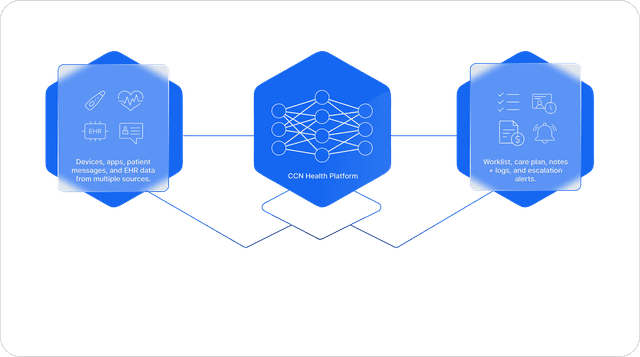
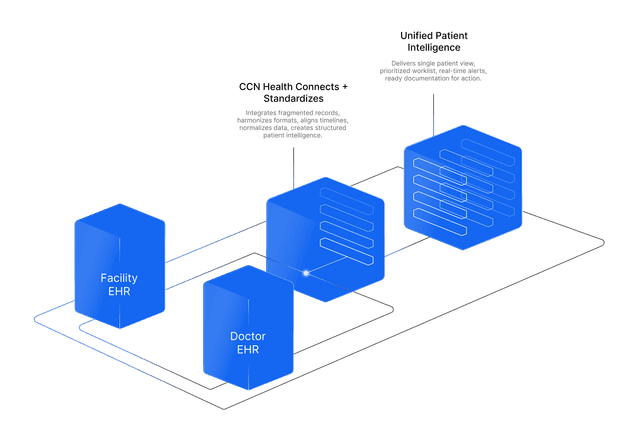
Device readings flow directly into PointClickCare, ALIS, or MatrixCare — eliminating manual transcription and ensuring complete vital sign records.
Multi-Program Revenue
Stack RPM, CCM, PCM, and BHI billing for qualifying residents to generate revenue that supports staffing and technology investments.
ADT-Triggered Protocols
EHR integration detects admission and discharge events, automatically adjusting monitoring protocols when residents transfer between care levels.
Quality Metric Support
Continuous monitoring data supports CMS quality reporting, care plan development, and documentation requirements for Five-Star ratings.
Physician Coordination
Monitoring alerts and clinical summaries are shared with attending and consulting physicians, supporting timely orders and medication adjustments.
The Case for RPM in Skilled Nursing
Skilled nursing facilities manage some of the most clinically complex patients in healthcare. With CMS focused on reducing avoidable hospital readmissions and improving quality metrics, SNFs need monitoring capabilities that extend beyond scheduled vital sign checks.
Remote patient monitoring provides continuous data streams from residents' connected devices, enabling clinical staff to detect changes earlier and intervene proactively. Research suggests that RPM programs in post-acute settings may help reduce 30-day readmission rates, though outcomes vary by implementation and patient population.
RPM for Post-Acute Care
The Critical First 14 Days
Residents transitioning from hospital to SNF are at elevated risk during the initial post-acute period. RPM enables:
- Daily weight monitoring for heart failure patients to detect fluid retention
- Blood pressure tracking for residents with medication adjustments
- SpO2 monitoring for pneumonia and COPD patients
- Temperature surveillance for post-surgical infection detection
Ongoing Chronic Disease Management
Beyond the post-acute period, long-stay residents benefit from continuous monitoring of their chronic conditions. CCM and PCM programs provide structured care coordination, medication management, and billing support for residents with multiple comorbidities.
Billing Programs for SNFs
SNFs may participate in multiple Medicare billing programs:
- RPM (99453, 99454, 99457, 99458) — Device-based vital sign monitoring
- CCM (99490, 99491, 99439) — Care coordination for 2+ chronic conditions
- PCM (99424, 99425) — Single high-complexity condition management
- BHI (99484) — Behavioral health screening and collaborative care
- RTM (98975, 98976, 98977) — Therapy outcome monitoring
CPT reimbursement amounts are estimates based on CMS published fee schedules and may vary by region and payer.
Getting Started
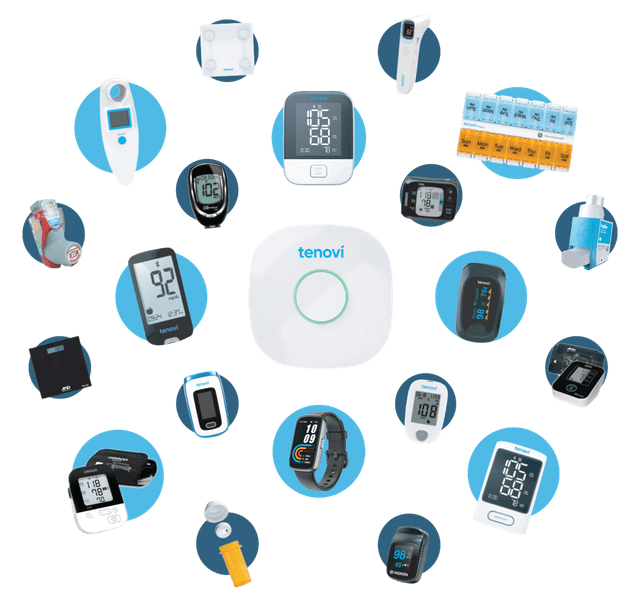
CCN Health works with SNFs to implement monitoring programs that integrate with existing workflows. Implementation includes EHR integration, device deployment, staff training, and a phased enrollment plan prioritizing post-acute and highest-risk residents.
Information on this page is for educational purposes. Clinical outcomes and reimbursement may vary by facility, patient population, and payer. Consult qualified billing professionals for guidance specific to your facility.
Questions?
Want to learn more about RPM for skilled nursing for your facility?
Our team can answer your questions and show you how it works with your current workflow.