Clinical
Behavioral Health Integration for Skilled Nursing — 2026 Guide
How BHI works in skilled nursing — screening for post-acute depression and adjustment disorders, managing behavioral symptoms, collaborative psychiatric care, and Medicare billing for SNF patients.
BHI in skilled nursing addresses the psychological impact of hospitalization and facility admission. Up to 35% of SNF patients experience clinically significant depression, including adjustment disorders from sudden loss of independence. CCN Health implements PHQ-9/GAD-7 screening, psychiatric consultant oversight through the Collaborative Care Model, and integration with PCC/MatrixCare. BHI generates ~$48–163/patient/month and stacks with RPM and CCM.
What Is Behavioral Health Integration (BHI)?
Behavioral Health Integration (BHI) is a Medicare-reimbursable program that integrates behavioral health screening and treatment into primary/specialty care settings using validated instruments (PHQ-9, GAD-7) and a collaborative care model with psychiatric consultant oversight.
Patient eligibility: Medicare beneficiaries with a behavioral health condition treated in a primary care or specialist setting. Requires systematic screening (PHQ-9, GAD-7) and a collaborative care model with psychiatric consultant.
How BHI differs from related programs: BHI uses validated screening instruments (PHQ-9 for depression, GAD-7 for anxiety) rather than physiologic monitoring devices. The Collaborative Care Model (CoCM) with a psychiatric consultant generates the highest reimbursement.
BHI can be stacked with RPM, CCM for qualifying patients — a single enrolled patient can generate revenue across multiple Medicare programs simultaneously.
Why Skilled Nursing Facilities Need BHI
Hospitalization and SNF admission are among the most psychologically stressful events in a person's life. Up to 35% of SNF patients develop clinically significant depression — yet behavioral health screening is rarely systematic in post-acute care.
Post-acute depression: Sudden loss of independence, unfamiliar environment, pain, and uncertainty drive depression rates of 25–35% among SNF patients — far higher than community-dwelling seniors
Adjustment disorders: Many SNF admissions trigger adjustment disorders — reactive depression and anxiety that may resolve with treatment but worsen clinical outcomes if left unaddressed
Physical recovery impact: Depression directly impairs physical recovery — depressed patients participate less in therapy, have higher readmission rates, and experience longer lengths of stay
Behavioral symptom management: Some SNF patients present with behavioral symptoms (agitation, refusal of care, sleep disruption) that have underlying behavioral health causes amenable to BHI treatment
How BHI Works in Skilled Nursing — The Clinical Workflow
SNF BHI screens patients at admission and throughout their stay, with psychiatric oversight through the Collaborative Care Model.
Step 1: Admission Screening — PHQ-9 and GAD-7 administered within the first week of SNF admission. Positive screens trigger behavioral health registry enrollment and psychiatric consultant notification.
Step 2: Collaborative Treatment — Psychiatric consultant reviews screening results, provides medication recommendations, and guides the treatment plan. Attending physician implements recommendations. Focus on both new-onset and pre-existing conditions.
Step 3: Recovery Integration — Behavioral health management integrated with physical recovery — addressing the depression and anxiety that impair therapy participation, medication adherence, and rehabilitation progress.
Step 4: Discharge Transition — For patients discharging to community settings, behavioral health treatment plan and medication list transition with the patient. BHI can continue post-discharge under community physician oversight.
BHI Uses Screening Tools — Not Vital Sign Devices
SNF BHI uses PHQ-9 and GAD-7 screening instruments. These can be administered by nursing staff during admission assessments or dedicated behavioral health check-ins.
- PHQ-9 — Depression screening administered at admission and monthly thereafter — tracking treatment response and identifying new-onset depression
- GAD-7 — Anxiety screening administered alongside PHQ-9 — many post-acute patients experience comorbid anxiety
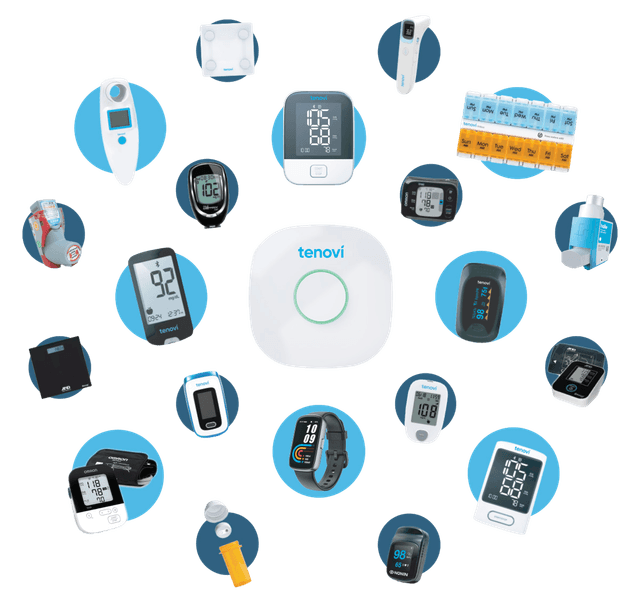
- Sleep monitoring (optional) — Sleep quality data from contactless monitors can complement BHI assessment — insomnia is both a symptom and driver of depression
Screening instruments are administered during existing nursing workflows — adding minimal time while providing systematic behavioral health assessment that spot-checking cannot achieve.
BHI Billing: CPT Codes and Revenue
| CPT Code | Service | Reimbursement | Requirement |
|---|---|---|---|
| 99484 | BHI Services | ~$48/mo | 20+ min clinical staff time |
| 99492 | Initial Psych Collab | ~$163 | 70+ min first month |
| 99493 | Subsequent Collab | ~$130/mo | 60+ min subsequent months |
Estimated monthly revenue per patient: ~$48–163
Program stacking: BHI + RPM generates $223–383/patient/month. BHI + RPM + CCM for patients with multiple chronic conditions and behavioral health needs can exceed $400/month.
CoCM codes (99492/99493) generate the highest revenue — $163 first month, ~$130/month ongoing. For post-acute patients, the initial psychiatric consultation (99492) captures the highest-value billing during the first month when behavioral health assessment is most intensive.
EHR Integration for BHI in Skilled Nursing
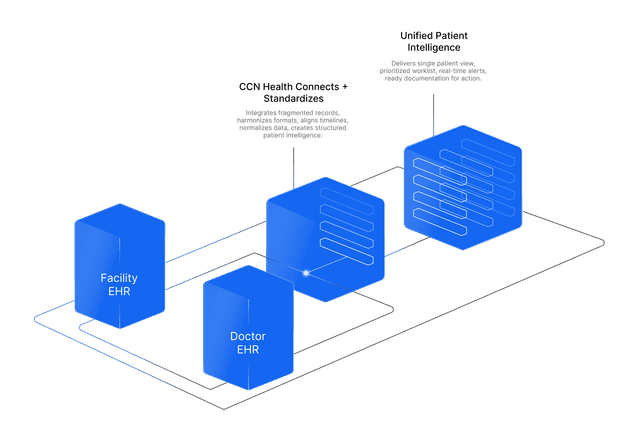
Skilled Nursing facilities typically use PointClickCare (~75%), MatrixCare for clinical documentation. PointClickCare dominates the SNF market. MatrixCare is the leading alternative. Attending physicians use separate EHRs (athenahealth, Epic) requiring dual-EHR integration.
CCN Health provides bi-directional integration with all major skilled nursing EHR systems:
- Resident/patient demographics sync automatically
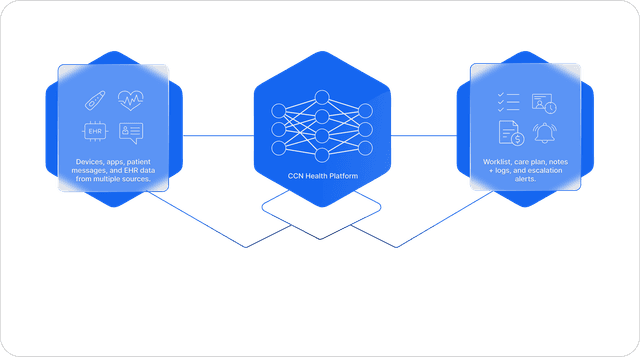
- Screening scores and care documentation flow into existing EHR workflows
- Clinical alerts appear within the EHR — no separate portal required
- Billing documentation generates automatically for BHI time tracking
PHQ-9/GAD-7 scores integrate with PCC and MatrixCare — appearing alongside MDS assessments, clinical documentation, and therapy notes. This integration supports both BHI billing and MDS behavioral health sections.
Getting Started: Implementing BHI in Your Skilled Nursing Facilitie
A typical BHI implementation in skilled nursing follows a 4–8 week timeline:
- Week 1–2: Psychiatric consultant engagement, PCC/MatrixCare integration for screening data, admission screening protocol development
- Week 3–4: Admission-triggered screening workflows, behavioral health registry setup, staff training on instrument administration
- Week 5–6: Collaborative care activation, psychiatric consultant review schedules, treatment plan development protocols
- Week 7–8: Full admission screening rollout, CoCM billing activation, discharge behavioral health transition protocols
The highest-impact SNF BHI implementation screens every patient at admission — capturing post-acute depression and adjustment disorders during the window when they are most treatable.
Ready to implement BHI in your skilled nursing facilitie? CCN Health provides full-service Behavioral Health Integration with EHR integration, clinical oversight, and billing optimization purpose-built for skilled nursing.
Disclaimer: This article is for informational purposes only and does not constitute medical, legal, or billing advice. CPT code reimbursement amounts are estimates based on CMS published fee schedules and may vary by region, payer, and clinical circumstances. Always consult qualified healthcare, billing, and technology professionals for guidance specific to your facility.
Let's figure this out together
We work closely with every client to find the right approach for their practice. Think of us as your partner, not just a platform.
Topics
Your Partner in Chronic Care
We love working closely with our clients to find the best solutions. Let us help guide you through the complicated stuff.
Why It Matters
Key Benefits
See how this approach drives measurable improvements across your organization.
BHI Program Management
Full Behavioral Health Integration program delivery including enrollment, monitoring, clinical review, and billing documentation — purpose-built for skilled nursing workflows.
EHR Integration
Bi-directional integration with PointClickCare (~75%), MatrixCare ensures monitoring data flows into existing clinical workflows without manual data entry.
Revenue Optimization
~$48–163 per patient per month with BHI. Program stacking with RPM and CCM increases per-patient revenue further.
Admission Screening
Systematic PHQ-9/GAD-7 screening at admission catches post-acute depression and adjustment disorders when they are most treatable.
Recovery Enhancement
Treating depression improves therapy participation, medication adherence, and physical recovery — BHI supports rehabilitation outcomes.
MDS Integration
Screening data integrates with MDS behavioral health sections — supporting documentation requirements while providing clinical value.
Continue Reading
Related Articles
Explore more insights on this topic.
Best RPM Solutions for Skilled Nursing Facilities in 2026
A guide to the best RPM solutions purpose-built for skilled nursing facilities — covering PointClickCare integration, dual-EHR data flow, contactless monitoring for cognitively impaired residents, and Medicare billing optimization for post-acute and long-term care.
Chronic Care Management for Skilled Nursing — 2026 Guide
How CCM works in skilled nursing — post-acute care coordination, multi-provider communication, medication reconciliation for polypharmacy, and Medicare billing for SNF residents with multiple chronic conditions.
BHI Billing Guide: Behavioral Health Integration CPT Codes & Requirements
A detailed guide to Behavioral Health Integration billing — covering CPT codes 99484, 99492, and 99493, the Collaborative Care Model (CoCM), PHQ-9 and GAD-7 screening requirements, qualifying behavioral health conditions, and strategies for integrating BHI into primary care practice.
Common Questions
Frequently Asked Questions
Get answers to the most common questions about this topic.
Behavioral Health Integration (BHI) for skilled nursing is a Medicare-reimbursable program. SNF patients receive systematic behavioral health screening and collaborative psychiatric care to address the depression, anxiety, and adjustment disorders that accompany hospitalization and facility admission. Medicare beneficiaries with a behavioral health condition treated in a primary care or specialist setting.
BHI generates ~$48–163 per patient per month through CPT codes 99484, 99492, 99493. BHI + RPM generates $223–383/patient/month. BHI + RPM + CCM for patients with multiple chronic conditions and behavioral health needs can exceed $400/month.
CCN Health integrates with PointClickCare (~75%), MatrixCare for skilled nursing facilities. PointClickCare dominates the SNF market. All monitoring data flows bi-directionally between CCN Health and the facility/physician EHR.
Up to 35% of SNF patients have clinically significant depression — driven by hospitalization, loss of independence, pain, and environmental change. This rate is 2–3× higher than community-dwelling seniors. Adjustment disorders (reactive depression/anxiety from admission) are particularly common in short-stay post-acute patients.
Yes — significantly. Depressed patients participate less in physical and occupational therapy, have lower medication adherence, experience longer lengths of stay, and have higher readmission rates. Treating depression is not just a behavioral health intervention — it directly improves physical recovery outcomes.
Yes — PHQ-9 and GAD-7 screening adds approximately 5 minutes to the admission assessment. CCN Health provides digital screening tools that integrate with PCC/MatrixCare, automatically populating the behavioral health registry and triggering psychiatric consultant review when scores exceed thresholds.
Still have questions? We love helping practices figure this out — no pressure, just real answers.

Your Partner in Chronic Care
We're Here to Guide You Every Step of the Way
RPM, CCM, and chronic care management can get complicated. We work closely with every client to figure out the best solutions for their practice.